
Why a clean machine pays off on every job
Dust, adhesive residue, metal shavings and offcuts build up fast in a sign shop. If they are left on the machine they can affect feeding, mark the coil, and put extra strain on moving parts. Over time that means more call-backs, more scrap, and parts that wear out sooner than they should.
For sign makers working under pressure, especially when a municipal handover is due or a retail tenant is waiting on a fresh fascia, the last thing you want is a machine that is dirty and drifting out of tolerance. A basic clean at the end of the day keeps production predictable and helps operators spot small problems before they become a breakdown.
Clean around the bend path, not just the outside
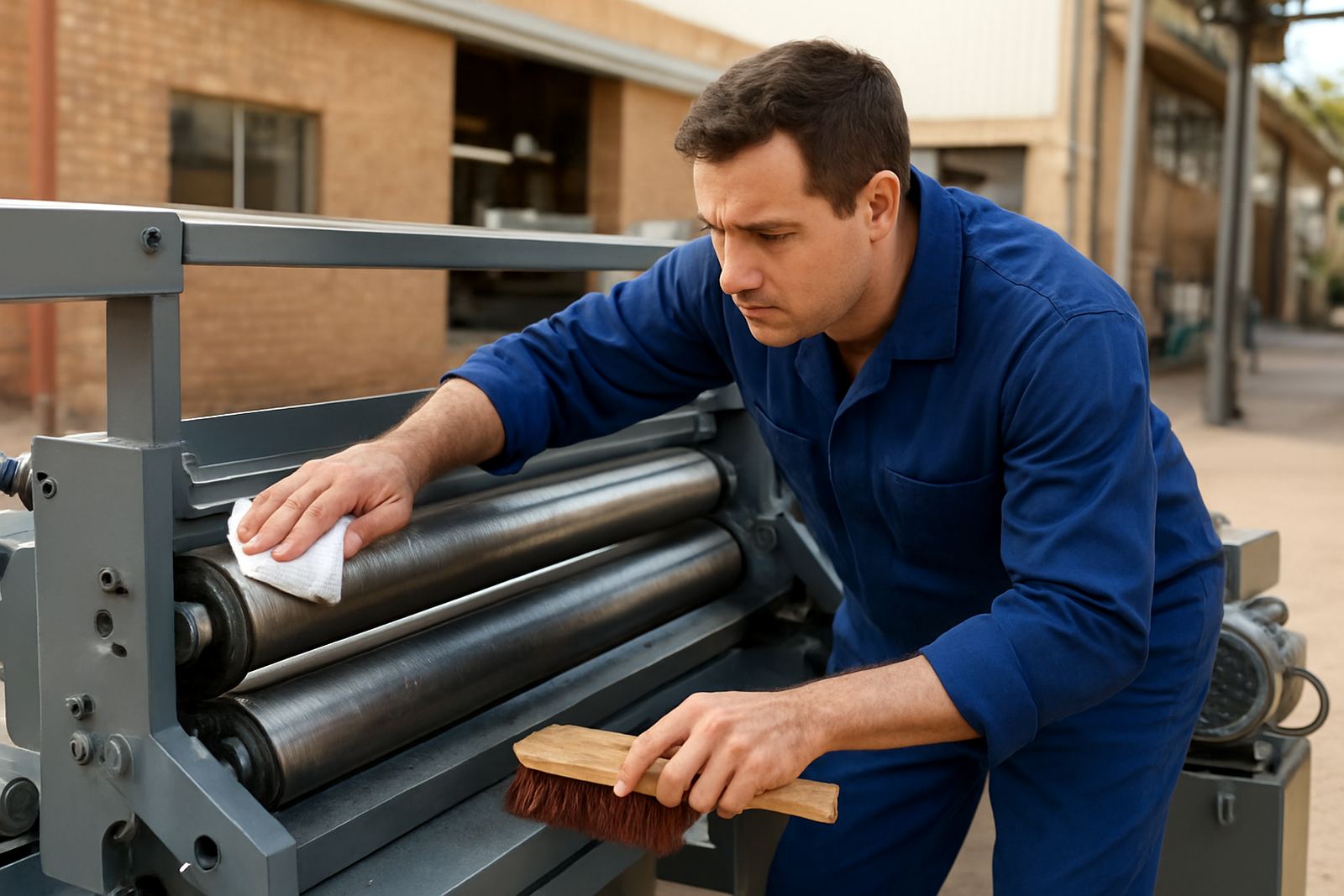
The main surfaces matter, but the bend path is where accuracy is won or lost. Clean away dust and debris from guides, rollers, clamps and any area where the return sits or moves. If fine metal particles collect there, they can scratch the material and affect the final edge, which is a problem on visible work.
- Switch off and isolate the machine before cleaning.
- Use a soft brush or dry cloth for loose dust and filings.
- Wipe down contact points where returns feed through.
- Check that no offcuts are lodged in the track or under the rollers.
- Keep liquids away from electrical components and control panels.
A small amount of dirt can look harmless, but on a machine that runs every day it quickly adds up. Operators often miss the fine shavings because they sit in corners, and that is where the wear starts.
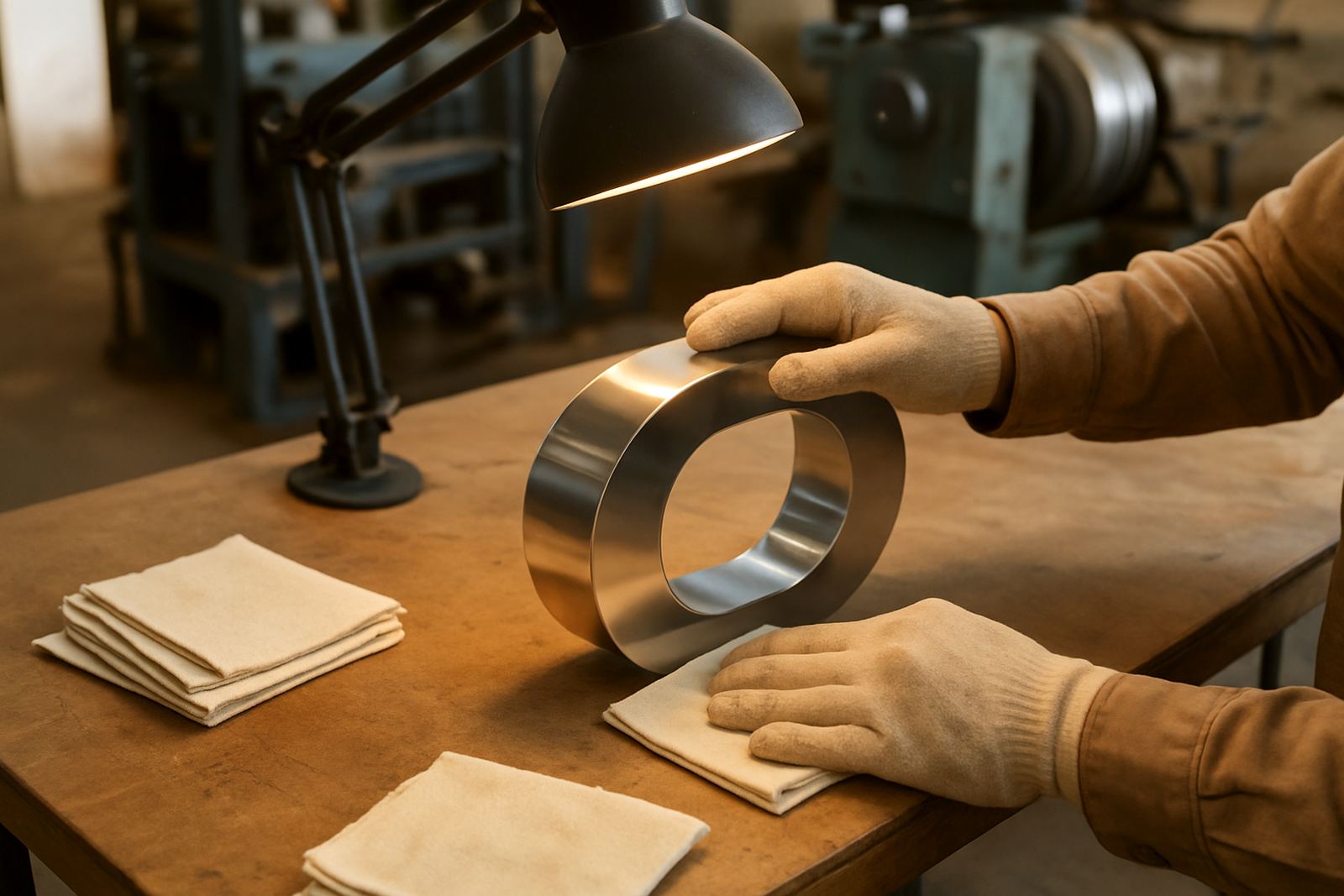
Treat coils and returns as finished material
Coils and returns should be handled like finished product, not like scrap waiting on a bench. In Gauteng, where dust from loading bays and workshops is common, coils can pick up grit just from being moved between racks and the machine. That grit can leave marks on the visible face or interfere with forming.
Store material off the floor, keep it covered where possible and wipe the feed area before each new run. If the coil edge is nicked or bent, do not force it through the machine. Trim the damaged section and check the feed setup first. One bad edge can throw off a whole batch.
- Stack coils flat or on proper racks to avoid deformation.
- Keep returns away from oily rags and solvent spills.
- Separate stainless, aluminium and coated material to avoid cross-contamination.
- Label partial rolls so the team knows what thickness and finish is inside.
Use the right cleaner for the job
Not every surface should be treated the same way. A control panel needs a light wipe, while mechanical parts may need a dry clean or a safe, approved solvent used sparingly. Over-wetting is a common mistake, especially in humid coastal areas like Durban where people think more liquid will help. It often does the opposite and leaves residue or moisture where it should not be.
Use a lint-free cloth where possible and avoid anything that sheds fibres. Do not use aggressive cleaners on painted surfaces, cable covers or transparent guards. If the machine has sensors or delicate adjustment points, clean around them rather than scrubbing directly on them. A careful clean takes a little longer, but it protects the machine far better than a quick wipe with the wrong product.
Build cleaning into the shift, not after problems start
The best cleaning routine is simple enough that the team can follow it every day. It should be part of the shift handover and not treated as extra work. When cleaning is built into the process, operators notice loose screws, worn guide points, unusual noise and signs of misalignment early.
At a Midrand sign shop handling repeat orders for offices in Sandton and Pretoria, a short end-of-day routine can make a big difference. The team can clear debris, check feed areas and wipe the machine before the next morning starts. That matters even more during load-shedding when production time is limited and every hour on the floor counts.
- Start-of-shift: quick visual check and remove any debris left from the prior run.
- Mid-shift: clear offcuts from around the work area and feed path.
- End-of-shift: wipe surfaces, inspect wear points and cover material correctly.
- Weekly: check fasteners, guards and cable routing for dust build-up or movement.
When a clean machine still is not running right
If output quality changes after a proper clean, the issue may be beyond routine maintenance. Uneven bending, feeding problems or repeated marking can point to a setup fault, a worn part or a calibration issue. At that stage it is better to stop forcing production and check the machine properly. Pushing through bad output usually creates more waste and gives the operator less control.
For businesses that rely on steady sign output, prevention is cheaper than recovery. That is why training, practical servicing and clear cleaning standards matter just as much as the equipment itself. A machine that is kept clean and checked often will usually give better service life, and fewer surprises when jobs are due. If you need help setting a cleaning routine or checking a recurring issue, get the team on the same page before the next batch starts.
A simple habit that protects value
Cleaning is not about making a machine look neat for a photo. It is about protecting accuracy, protecting parts and making sure each coil or return comes off the line the way it should. Small daily habits save money, reduce downtime and help your workshop stay reliable when the pressure is on.
Whether you are working in Midrand, Durban or the East Rand, the principle stays the same: keep the machine clear, keep the material clean and keep the team consistent. That kind of discipline shows in the finished sign, and it shows in the business too.