

Why metal finishes fail faster than the sign maker expects
Most finish problems do not start with the material itself. They start with fingerprints, grinder dust, bending marks, poor storage, and cleaning with the wrong cloth or chemical. Once a finish is marked, the mark often shows up again after installation, especially on reflective or brushed surfaces where every small scratch catches the light.
In Midrand workshops, the usual problem is dust from cutting and filing. In Durban, the issue is different, with salt in the air and moisture that can settle on stored coils and returns. Both can be managed if the team treats finish care as part of production, not as an afterthought.
Handling habits that stop marks before they start
Clean handling makes a big difference. The goal is simple: keep the face and the exposed metal as untouched as possible once the finish is prepared. Gloves should be used when moving finished parts, but they must be clean and dry. Wet gloves can leave marks and trap grit against the surface.
- Lift parts from the edges, never drag them across a bench.
- Keep cutting mats, benches and racks free of metal swarf and adhesive dust.
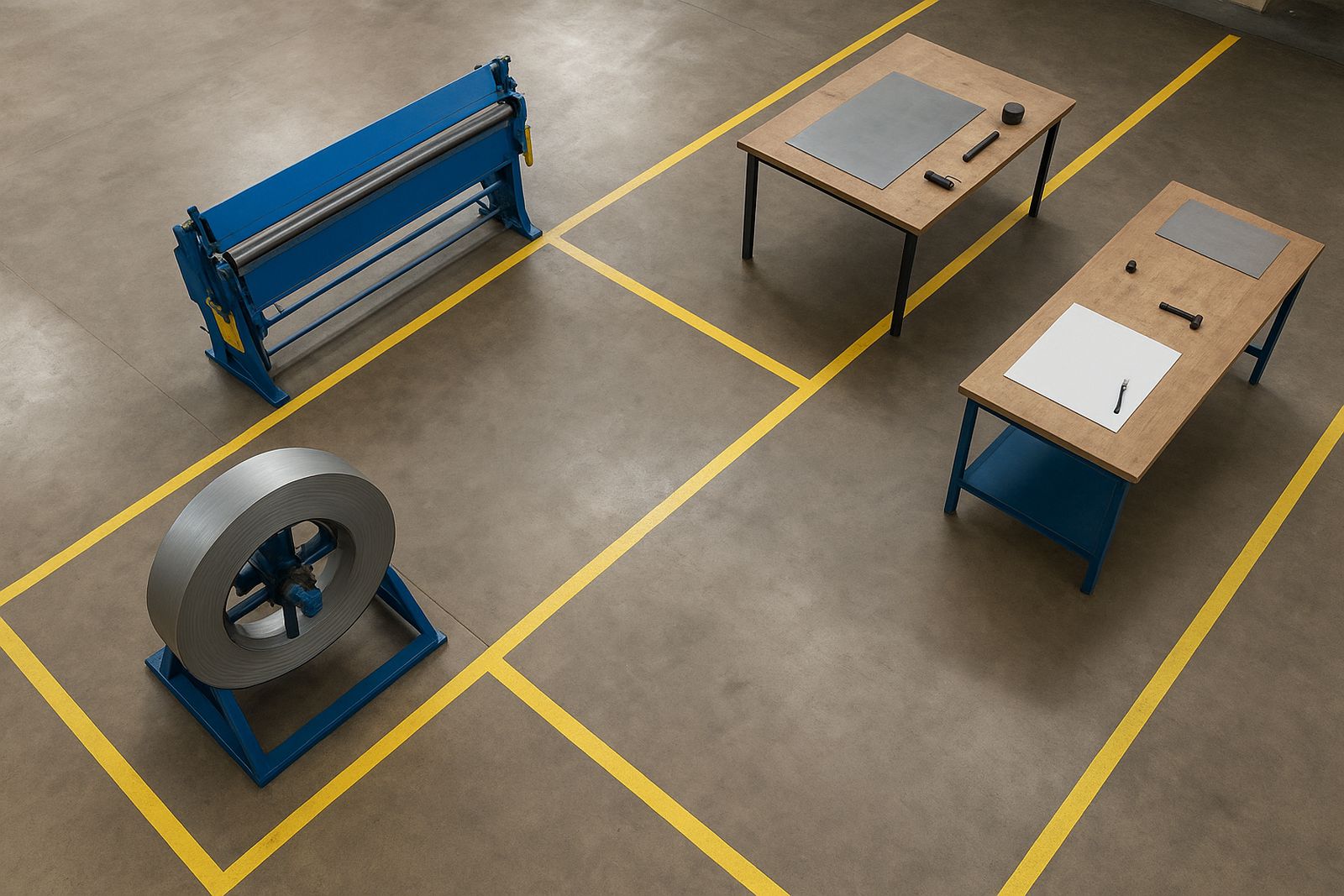
- Separate finished returns from raw coils and offcuts so they do not rub together.
- Use soft separators or film between stacked parts when storing completed letters.
- Do not place finished sections near welding, spray paint or silicone work.
Even a careful team can make a mess if the packout area is shared with general workshop work. A simple clean zone for finished letters saves time later and avoids rework, which is costly when a job has to go out to Sandton or Pretoria the same afternoon.
Cleaning methods that suit brushed, polished and coated metal
Different finishes need different cleaning habits. Brushed metal hides small marks better than polished material, but it still scratches if wiped with a dirty rag. Coated surfaces need gentler treatment because harsh cleaners can dull the finish or leave patchy spots. The safest routine is soft cloth, clean water, then a mild non-abrasive cleaner if needed.
When a sign comes back from site, dust should be removed first. Do not scrub dry grit across the finish. That is how fine lines appear. Wipe in one direction where possible, then dry the surface fully so water spots do not set in. On coastal installs, a second dry wipe is often worth the time.
- Use microfibre cloths or other lint-free wipes.
- Avoid steel wool, scouring pads and strong solvents.
- Test any new cleaning product on a small hidden area first.
- Dry all edges, corners and folds so moisture does not sit in the joins.
Storage rules for coils, returns and completed letters
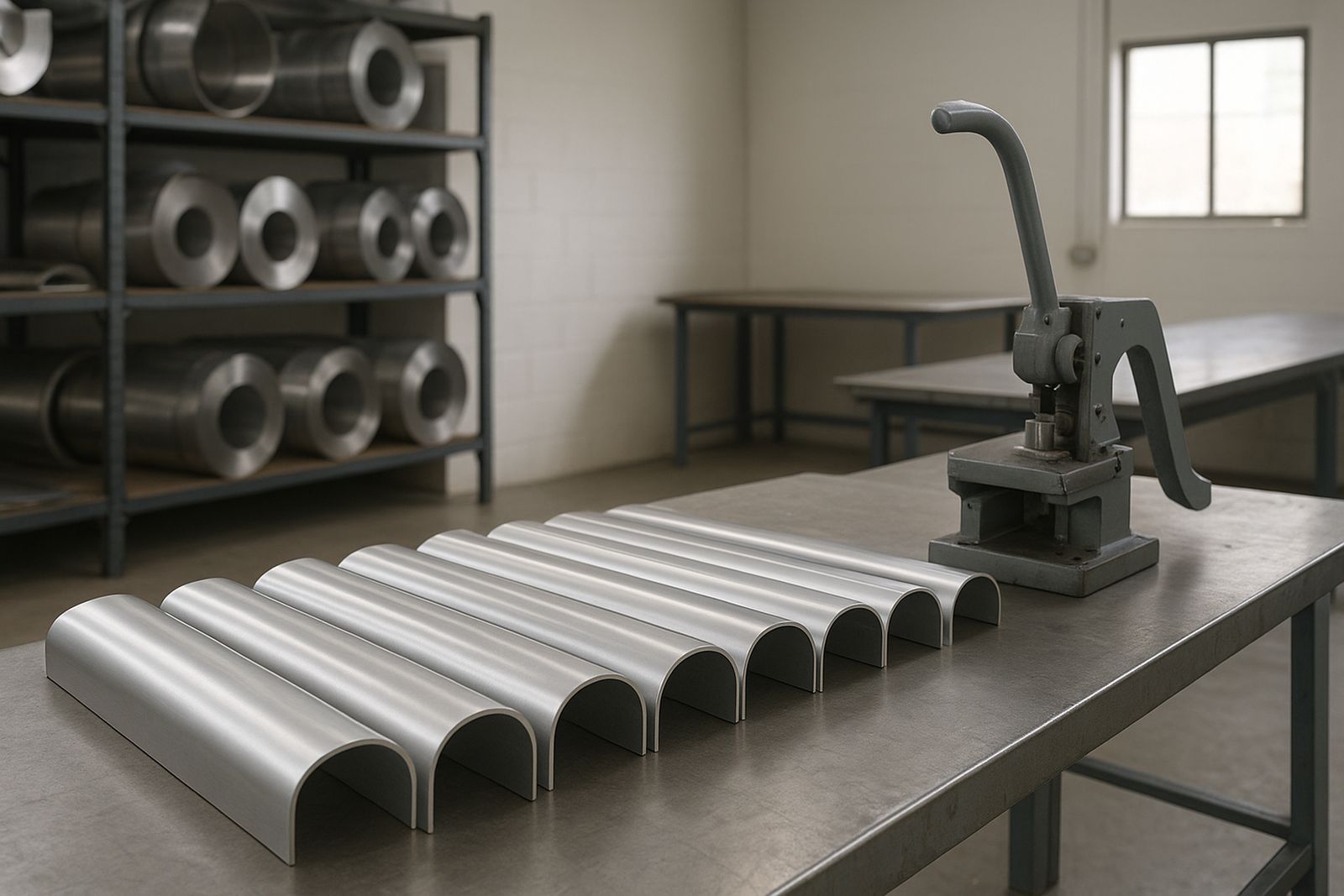
Good storage protects the finish long before installation. Coils should stay flat or properly supported so they do not pick up kinks at the edges. Returns and completed parts should be kept off the floor, away from traffic and away from humid corners of the workshop. A concrete floor can sweat in winter, even in Gauteng, and that moisture travels fast.
Where possible, wrap finished pieces or keep them in clean sleeves until they are loaded for site. If material must wait overnight, stack it in a dry, dust-controlled area with enough air movement around it. In a small shop, this might be as simple as one labelled rack and one rule: nothing unfinished touches the finished stack.
Site conditions that change how metal finishes age
Install conditions matter almost as much as the workshop routine. A sign fitted near the sea in Durban faces salt, wind and damp air. A sign on a retail front in Pretoria may face strong sun and regular cleaning by staff who do not know what products to use. A brushed finish that looks perfect on day one can start to fade unevenly if the client uses the wrong cloth or sprays cleaner directly onto the face.
For that reason, good handover notes help. Tell the client how often to dust the sign, what kind of cloth to use, and which cleaners must be avoided. If the sign is high up or above a busy entrance, recommend a light maintenance check after the first rain season, then again after summer. Small advice now can prevent complaints later.
- Keep the cleaning schedule simple and written down.
- Avoid high-pressure washing on exposed letter faces.
- Check for water pooling around fixings and returns.
- Inspect coastal jobs more often because salt builds up quickly.
A Midrand example that shows the value of routine care
A sign maker in Midrand once sent out a set of metallic letters for a client heading into a busy opening week. The finish was good, but the team packed the letters too close together after a late production run. By the time the job reached site, a few returns had light rub marks and fingerprints, mostly from handling after lunch when the staff were rushing. Nothing major, but enough to catch the eye under the entrance lights.
The fix was not expensive. The shop changed its end-of-line routine, added clean separator sheets and made one person responsible for final wipe-down before loading. The next batch went out cleaner, and the client noticed. That kind of discipline matters in sign work, because a finish can look fine from two metres away yet still fail the eye test up close. In this trade the last ten minutes often decide the first impression.
Build care into the job, not after the complaint
Metal finish care works best when it is part of the job plan from day one. Train the team on handling, assign a cleaning standard, and keep the right cloths and products near the finishing area. If a workshop also handles installs nationwide, the process needs to be consistent whether the job is going to a shopping centre in East Rand or a storefront in Durban.
For sign makers, the payback is simple: fewer scratches, fewer returns to site, and less time spent explaining avoidable marks. A good finish is not just about the material. It is about the habits around it, every single day.