
Why file readiness matters before the first coil is loaded
In a busy sign shop, the machine is often blamed when a job runs late. In reality the problem usually starts earlier, with a file that is missing measurements, has unclear lettering, or was sent without the final sign-off. Channel-letter work depends on accuracy because even a small mismatch can affect return height, corner fit and the final face alignment.
Good file readiness helps the whole workflow. The operator knows the correct letter size, the installer knows the fixing points and the team can plan coil usage without guessing. That is important in South Africa where many shops work with mixed jobs, tight turnaround times and occasional load-shedding that compresses production into shorter windows. A file that is ready to go helps you use every minute better.
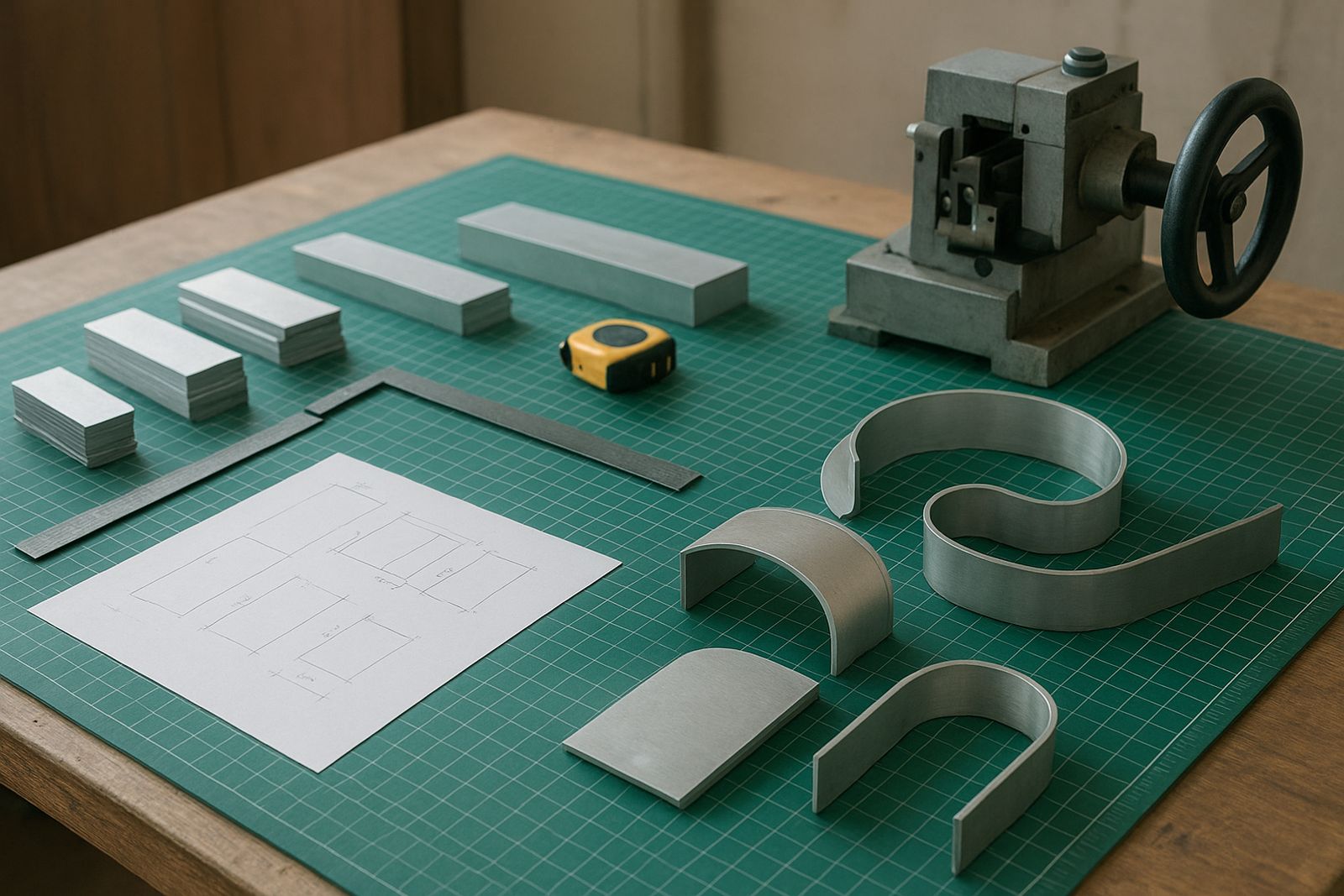
What a ready job file should include
Before a file reaches the bending machine, it should carry the information needed to produce the sign without back-and-forth calls. The best files are simple, complete and easy to verify. If one item is missing, the job usually slows down while someone checks the client brief again.
- Final wording, spelling and punctuation as approved by the client
- Letter height, overall sign width and any depth limits
- Return depth, face colour and finish notes
- Mounting method and whether the sign is for indoor or outdoor use
- Installation location, for example Midrand, Sandton or Durban coastal sites
- Any special requirements for visibility, municipal restrictions or existing structure spacing
For shops working with aluminium coils and returns, it also helps to note material thickness and whether the job will be exposed to coastal humidity or direct sun. That small detail can guide the team on whether extra protection or a different finish is needed.
Common file mistakes that slow production
Most delays come from the same handful of problems. Some are easy to miss when the team is under pressure, especially if the job was sent through our contact form, WhatsApp or a quick voice note from site. A file may look fine at a glance but still lead to repeated stops once the machine starts working.
- Missing return depth, so the operator has to pause and confirm the bend profile
- Artwork that was resized without updating all the measurements
- Font changes that alter the letter shape and create fit issues
- Mixed units, such as millimetres in one note and centimetres in another
- Approval changes after production has already started
- Unclear notes on whether letters are block, script or custom formed
One Pretoria shop sent a rush order for a 3 m fascia sign on a Thursday afternoon, but the file had two different widths in the same brief. The operator stopped halfway through the first set of returns, which meant the team had to correct material usage and restart the next morning. If the dimensions had been confirmed upfront, the job would have moved through much faster.
How file readiness supports machine operation
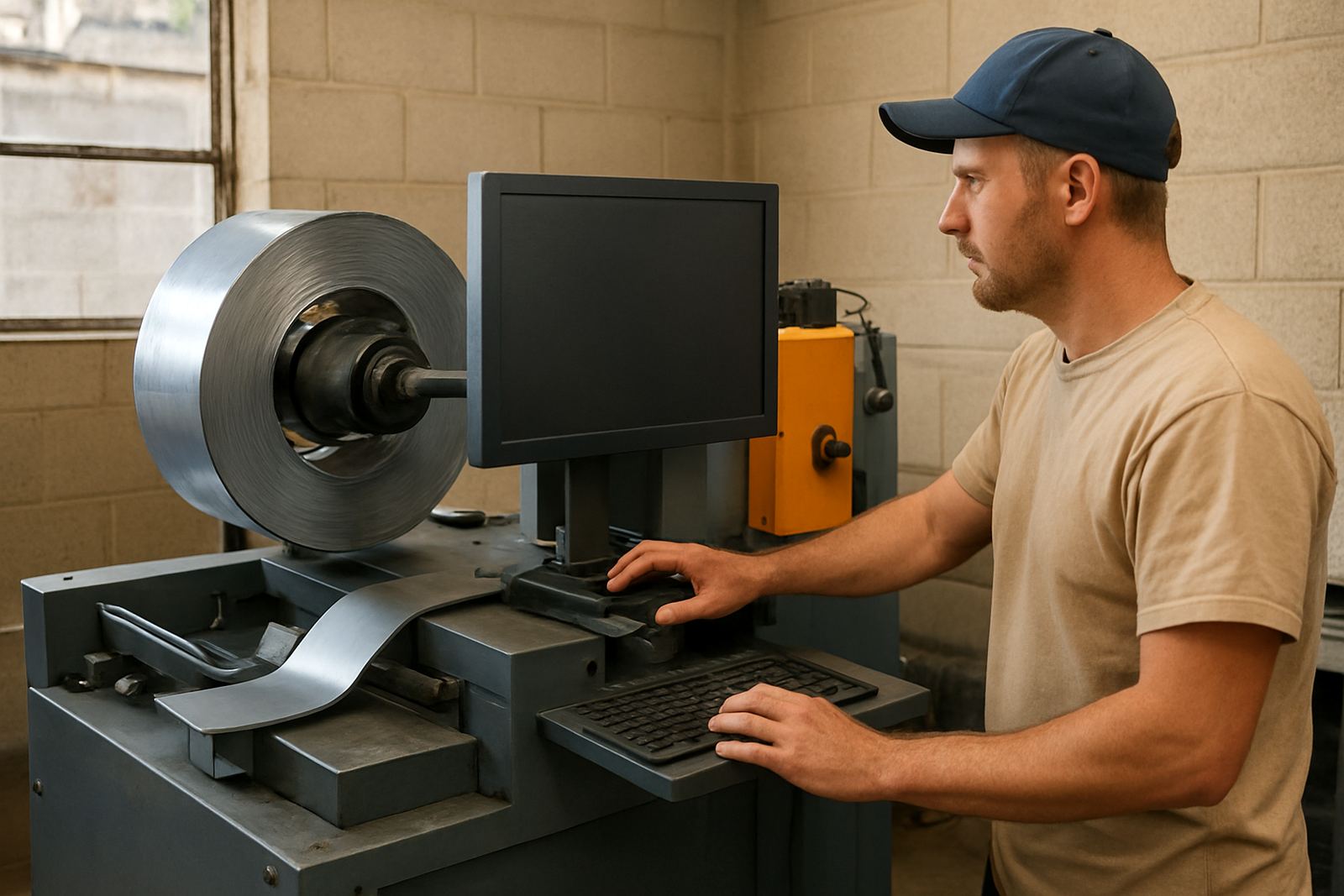
A bending machine works best when the inputs are consistent. Clean files reduce setup time because the operator does not have to keep checking for missing values or reworking return lengths. That also helps with training, since new operators can follow a clear brief instead of trying to interpret a messy file under pressure.
When files are ready, the production team can plan better around power interruptions, staff shifts and delivery times. In Midrand or the East Rand, where many sign makers run multiple jobs in one day, that planning matters. A neat file also lowers the chance of wastage on coils and offcuts, which matters when material prices move and every metre counts.
A practical file check before you send the job through
It helps to make one person responsible for checking the job file before production starts. That person does not need to overcomplicate things, they just need a consistent routine. A five minute check can save an hour of rework later.
- Confirm the final client approval and payment status if your shop requires it
- Check all measurements against the sign board or wall space
- Make sure the letter count, spacing and depth are all stated clearly
- Confirm the material type and finish, including any corrosion concerns near coastal areas
- Check that the installer and production team have the same version of the file
For shops in Durban or other humid areas, it is worth checking if the file notes include extra sealing or a different return finish. A small note now can prevent a service call later.
Keeping your team aligned from quote to installation
File readiness is not only a production matter. It starts at quotation and continues through training, commissioning and site handover. If the sales team promises one thing and the workshop receives another, the whole process becomes harder than it needs to be.
Teams that work well usually have a simple handover system. The quote lists the scope, the approved brief comes back in writing, and the production file includes the final sign details plus installation notes. When everyone uses the same information, the sign maker can focus on output instead of corrections. That is especially useful for nationwide installs, where a project may be produced in Midrand and fitted in Pretoria, Sandton or further afield on the same week.
At Channel Letter, that kind of readiness also supports operator training, preventive servicing and remote tech help. If the file is clear, the machine runs cleaner and the support team can solve real issues instead of sorting out avoidable admin. It keeps the shop moving and helps protect deadlines when the schedule is tight.