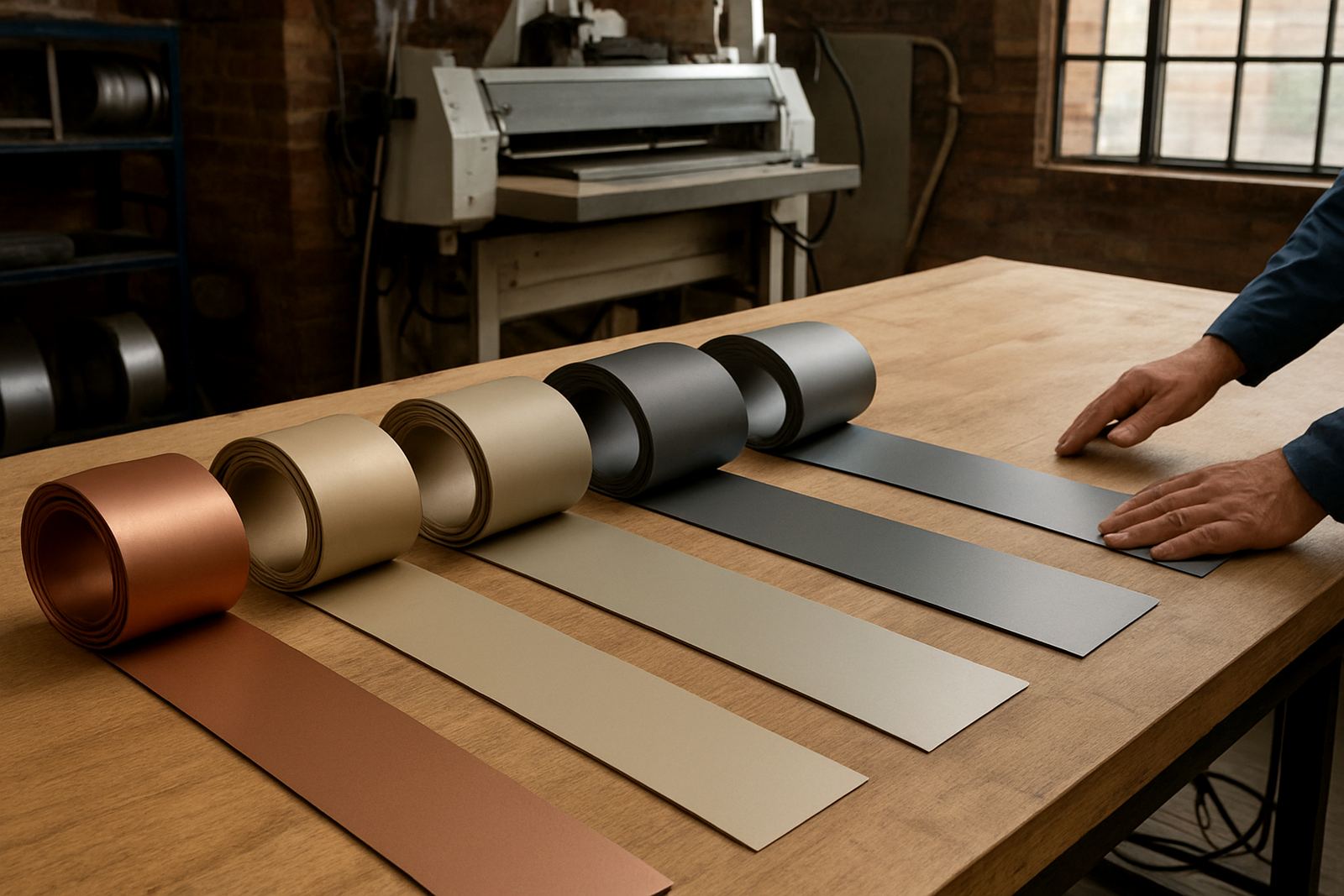
Why return coil choice matters on every sign job
Return coil is not just sheet metal on a roll. It is the strip that forms the side wall of a channel letter, so its thickness, finish and width all affect the final shape. If the coil is too soft, it can dent during handling. If it is too stiff, the bend may fight the machine and waste time. For sign shops working under tight deadlines in Midrand, Sandton or Pretoria, that difference shows up in labour hours, scrap and call-backs.
On site, the sign also has to stand up to local conditions. In Gauteng you get dust, strong sun and the odd summer storm. Along Durban the bigger issue is humidity and salt air, so the wrong finish can start looking tired sooner than expected. That is why the coil spec should match the job, not just the price.
Aluminium coil for clean bends and lighter letters
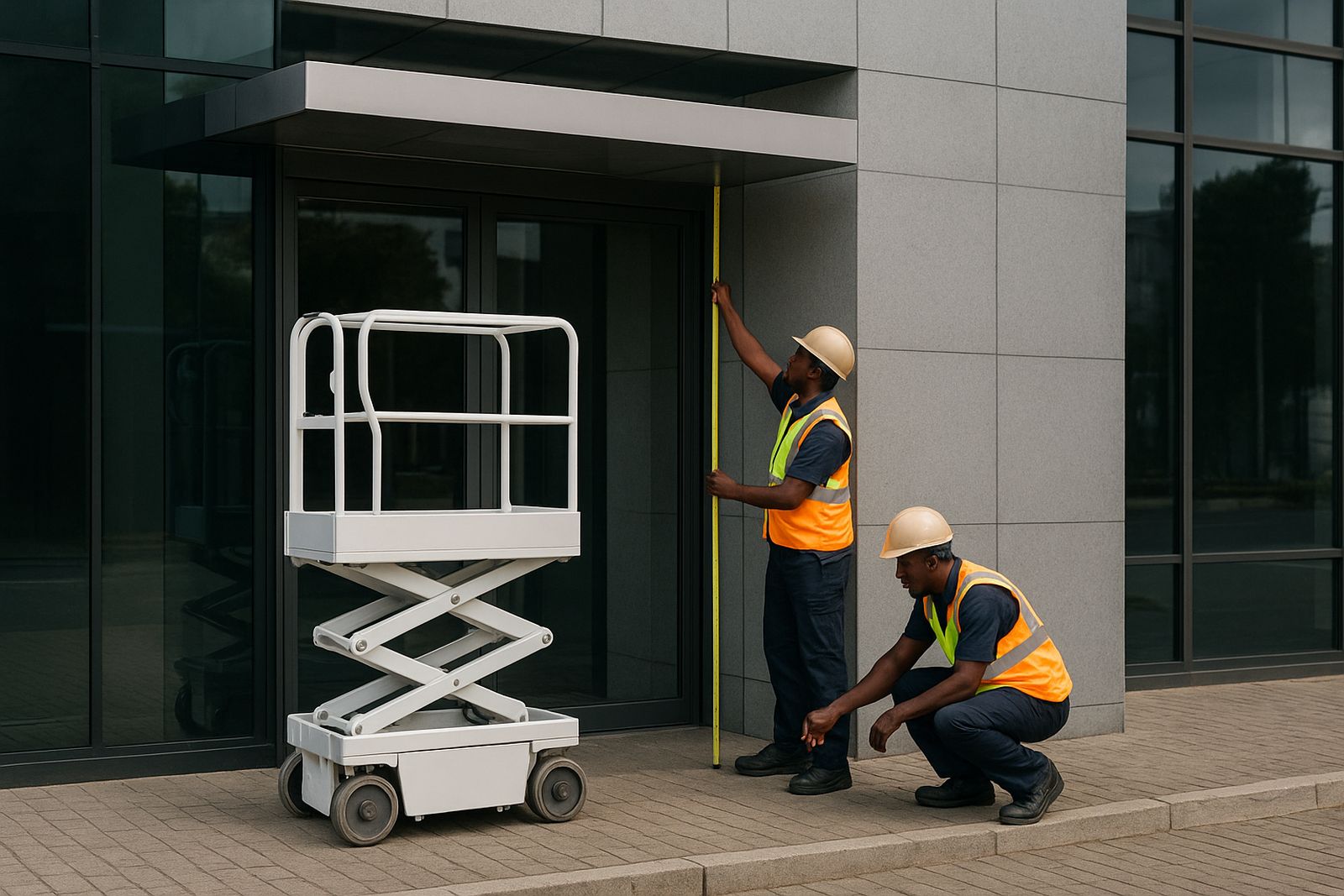
Aluminium is the most common choice for channel returns because it is light, easy to form and suitable for many indoor and outdoor signs. It bends cleanly on most machines and helps keep finished letters manageable when the sign is large. For installers, lighter letters are easier to move up ladders and position on facades, which matters on busy commercial strips or malls where access is tight.
It is also a good option where the sign needs a neat finish with less risk of corrosion. If you are doing directory signs, reception features or rooftop branding, aluminium can be a practical all-rounder. The main point is to match the thickness to the letter size and wind load, because a very thin coil on a large face will not hold shape as well.
- Good for most standard illuminated and non-illuminated letters
- Lightweight for easier handling and installation
- Suitable for indoor use and many outdoor applications
- Works well when you need neat, repeatable bends
Pre-finished coloured coil for faster production
Pre-finished coil saves time because the colour is already on the metal before cutting and bending. That helps when the front face and return need to match a brand colour closely. It also reduces the need for extra painting steps, which is helpful when your workshop is busy and load-shedding has interrupted the schedule again.
This option is often chosen for retail signage, estate boards and business parks where the client wants a consistent finish across many letters. The shop still needs to handle it carefully to avoid scratching the surface. Once marked, a pre-finished return is hard to hide, so good storage and clean rollers matter.
Mirror and brushed finish coil for feature signs
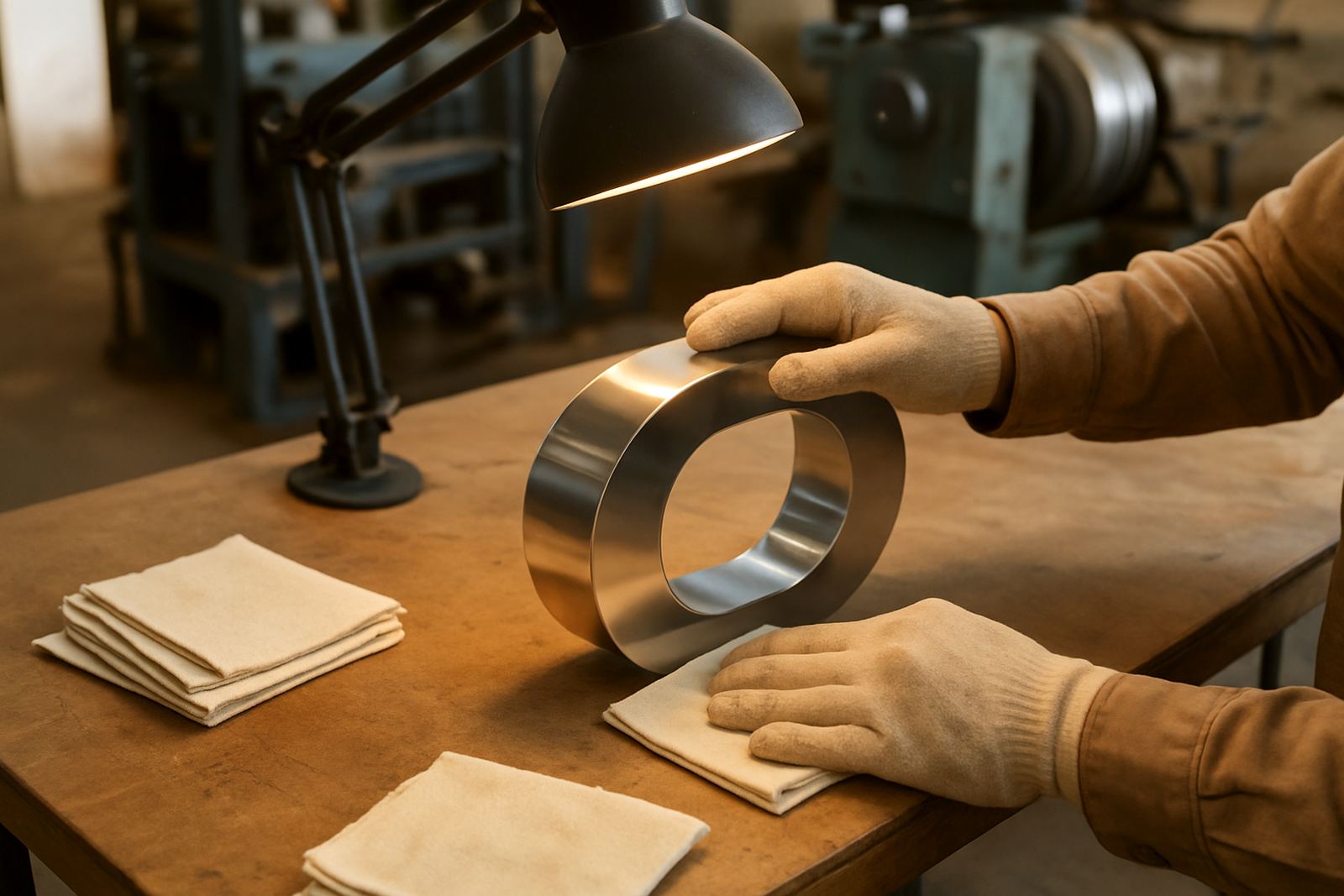
Some signs call for a more decorative effect, especially in hospitality, salons, showrooms and executive spaces. Mirror finish coil gives a bright reflective look, while brushed finishes offer a more restrained metal texture. These options are less about mass production and more about visual impact, so they fit smaller runs where the client wants something a bit more special.
Use these finishes where light catch matters and where the sign will be viewed up close. They can show fingerprints and marks more easily than standard colours, so the workshop must keep them covered during handling. If your client wants a feature wall in Sandton or a premium boardroom sign in Midrand, this can be the right call.
Coil width, thickness and return depth need to work together
Many problems start when the coil spec is not matched to the letter depth. A return for a shallow letter is not the same as one for a deep lightbox-style letter. The machine can only do so much if the strip is too narrow or too soft. Before cutting, check the face size, return depth and the intended mounting method, then choose the coil accordingly.
Keep these points in mind:
- Measure the return depth before ordering or loading material
- Use a thickness that suits the letter size and wind exposure
- Allow for handling and transport, especially on larger jobs
- Check that the finish matches both the face and the site conditions
A small typo in the prep stage can cost a full sheet later. That is why many experienced shops keep a short sample library and test a coil on a trial bend before starting full production.
Choosing coil for Durban humidity versus Gauteng dust
Local conditions matter more than many first-time buyers expect. In Durban, moisture and salt can punish poor-quality finishes if the sign sits near the coast or on a windy seafront road. In Gauteng, the sun can be harsh and dust builds up fast on exposed signs and workshop stock. A coil that looks fine on day one may not age well if the finish is not suited to the site.
For example, a mid-sized retail client in Midrand might want a batch of illuminated letters for a new store opening, with installation planned around municipal approvals and a tight handover date. In that case, a standard aluminium return with a clean pre-finished surface can keep the job moving. The same client opening a branch in Durban may need a more cautious finish choice and better sealing on edges. Matching the material to the town saves rework later.