
Why a sample beats a long explanation
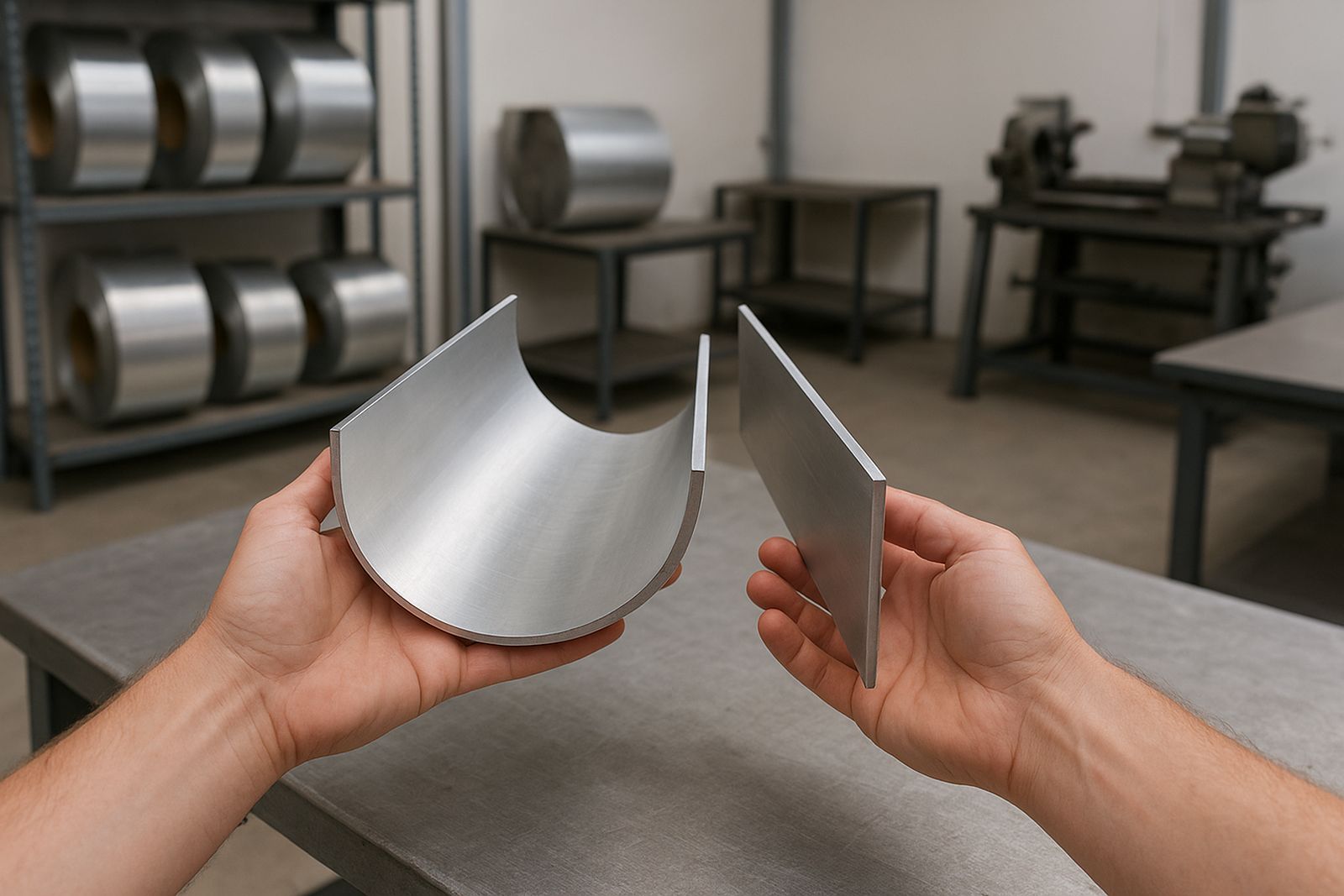
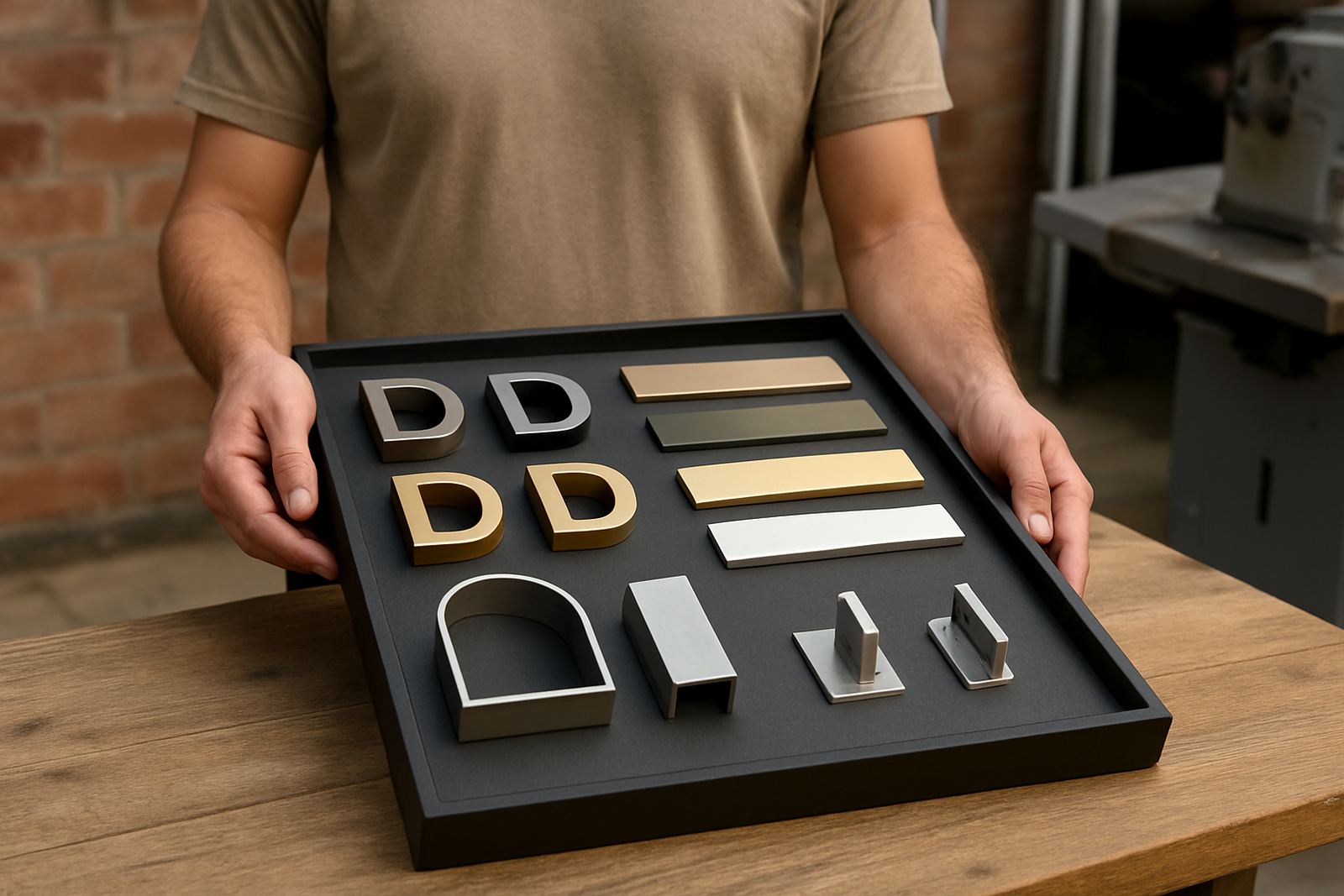
In signage, a good sample removes guesswork. A client may understand the drawing, but once they see a formed letter, coil finish or return profile in person, the job becomes real. That is often when approval happens, because the eye can compare thickness, shine, edge consistency and overall scale in a way that words cannot match.
For sign makers working across Midrand, Sandton, Pretoria or the East Rand, this matters even more when turnaround is tight. A physical sample helps the client confirm the look before full production starts, which cuts down on changes once materials are already cut and formed. It also keeps the conversation practical. Instead of debating what the finish might look like, the client can say yes or no based on what is in front of them.
We see this most with channel letters for shopfronts, forecourt signs and building names. Clients often want sign-off fast and there is less back-and-forth when samples are on the table. It is a small step, but it can save hours later.
What clients should check on a sample
A sample is not only there to look nice. It should help confirm the things that matter to the final install and the long-term finish. When you hand a client a sample, guide them through the details so they know what they are approving.
- Finish: Does the surface look right in daylight, indoor light and shade?
- Depth: Does the return depth suit the fascia and viewing distance?
- Edge quality: Are the bends clean and consistent, with no waviness?
- Colour match: Does the sample sit well with the brand colours and surrounding materials?
- Scale: Is the letter size readable from the intended viewing point?
- Fixing method: Is the mounting style suitable for the wall, fascia or frame?
These checks are simple, but they prevent a lot of small disputes later. A client may not know the technical terms, yet they can still tell when something looks too shallow, too bright or uneven.
How samples speed up approval on real jobs
Sampling helps on both small and large jobs because it shortens the approval chain. The owner, marketing team and site manager can all see the same piece, rather than each person interpreting a sketch in a different way. That is useful for franchises, retail rollouts and industrial clients who need consistency from one branch to the next.
In practice, a sample can prevent a project from stalling while someone waits for a revised drawing or a new material suggestion. Once the finish and depth are approved, the rest of the order becomes much easier to lock in. Material selection also gets clearer, because the client can compare options side by side and choose what works for their budget and site conditions.
For sign makers, this also improves production planning. If the sample is approved early, you can schedule the bending, trimming and final assembly with less risk of rework. That matters when power interruptions or weather delays already put pressure on the job timeline.
- Fewer revision rounds after the quotation stage
- Better alignment between design, fabrication and installation
- Clearer sign-off from clients who are not technical
- Less wastage from material changes after approval
- More predictable delivery dates for installers
A Midrand example from a busy rollout
A retail client in Midrand may want new channel letters for several sites at once, with each branch facing different light conditions and wall finishes. One site could have a smooth painted fascia, another a textured wall, and another a coastal-facing position with more moisture in the air. A sample helps the client compare how the same letter form will sit in each location before the full order is released.
That is especially helpful when the install team has to work across Pretoria, Sandton and Durban in the same programme. The sample becomes the reference piece for finish and depth, so the production team can keep the job consistent from branch to branch. It also gives the client a clear point of approval, which is useful when several people need to sign off and nobody wants confusion later. If the sample looks right, the rollout usually moves quicker.
It is a practical step, not a sales trick. The client sees what they are buying, and the sign maker has a solid standard to work to.
Making sampling part of your process
Sampling works best when it is built into the job from the start. That means discussing it during quoting, not after the order is already under way. A short sample stage can be planned for the finish, depth, returns and mounting details, then signed off before production begins.
It also helps to keep the sample area tidy and labelled. If the client is choosing between several finishes or return sizes, make each option easy to identify. A simple note with the height, depth and material type is usually enough. You do not need a long explanation, just enough detail for the client to make a calm decision.
Training matters here too. A team that knows how to present samples well can answer questions faster and avoid confusion. That is where operator training, production coaching and refresher training add value. When everyone knows how to handle the sample stage, the whole project runs cleaner.
- Bring samples into the quotation conversation early
- Label each option clearly with size and material details
- Use the same sample standard for repeated branch rollouts
- Keep records of what was approved for future reference
- Make sure the sample reflects the actual production method
What good sampling says about your business
Clients notice when a sign maker takes sampling seriously. It shows care, consistency and technical understanding. It also shows that the business is trying to reduce risk for the client, not just push a sale. That builds trust, and trust is often what gets the next order.
For many South African projects, especially where timelines are tight and site conditions vary, a sample is one of the best ways to keep everyone aligned. It helps the client approve the right finish, depth and visual quality faster, while giving the sign maker a cleaner route through production and install. Small step, better outcome.
If you need support with sample preparation, material selection, onsite commissioning or remote tech help, our Midrand base can assist sign makers in Johannesburg, Pretoria, Durban and beyond. The right sample saves time, and that usually saves money too.