
Why return depth matters on the street
On a busy road, a channel letter with a deeper return stands out more because the side wall adds physical depth and shadow. That extra depth can make lettering easier to read in daylight, and in the evening it helps the face catch and spread light more evenly. For larger shopfronts, fuel sites, industrial parks and roadside pylons, a shallow sign can look flat from 30 to 50 metres away.
Return depth is not only about looks. It also affects how the sign handles the lamp layout, how much room there is for wiring, and how the face sits once the letter is sealed. If the return is too shallow, the installer may fight hotspots, visible points of light, or a face that looks cramped. If it is deeper than needed, the letter can become heavier and pricier than it needs to be, so the right balance matters.
How deeper returns improve lighting performance
When the return is deeper, there is more internal space for the light source and more distance between the light and the face. That helps spread light more evenly across the letter and can reduce bright patches. It is especially useful on bold lettering with wide strokes, where a shallow build can show uneven brightness at the edges.
For face-lit letters, a deeper return can also give the installer more room to keep the inside neat. That matters when you are working under time pressure, or when the site is exposed to coastal humidity in places like Durban where fittings can corrode quicker if the internal layout is cramped and hard to service later.
- Better light spread on larger faces
- Less chance of bright pinpoints showing through thin areas
- More room for wiring and fixing points
- Cleaner finish when the sign is viewed from below
When a deeper return is the better choice
Deeper returns are usually worth considering on signs that need more road presence, more light output or a stronger premium look. This is often the case for forecourts, warehouse entrances, shopping centre pylon letters and large fascias facing fast traffic. In these settings, the sign has to read quickly and hold its shape across the full width of the elevation.
They are also useful when the face colour is pale and the client wants evening impact without the sign looking patchy. A deeper side wall can help the lettering feel more substantial, which is important for brand marks installed on wide facades in Sandton, Midrand or along the N1 corridor where viewing distance is often greater than people expect.
- Signs viewed from a long distance
- Large letters with wider stroke widths
- Projects needing stronger night-time presence
- Installations where a more solid visual effect is preferred
Material and manufacturing choices that change the result
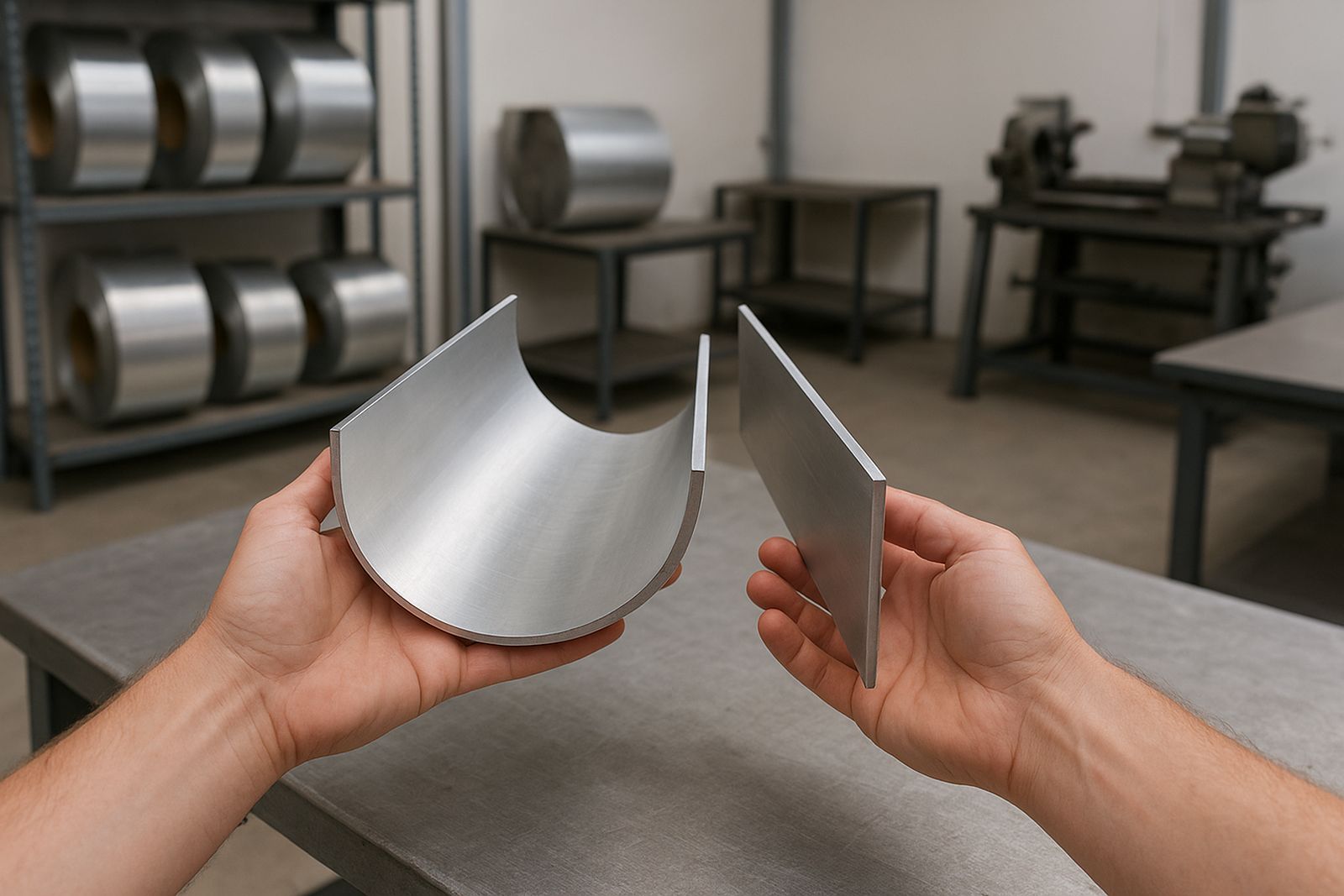
The return depth should be matched to the material and the way the letters are bent and joined. Thicker material can hold shape better on deeper builds, but it must still be workable and neat at corners. If the return is made too aggressively without proper control, the edges can warp, and that affects how the face sits once the sign is complete.
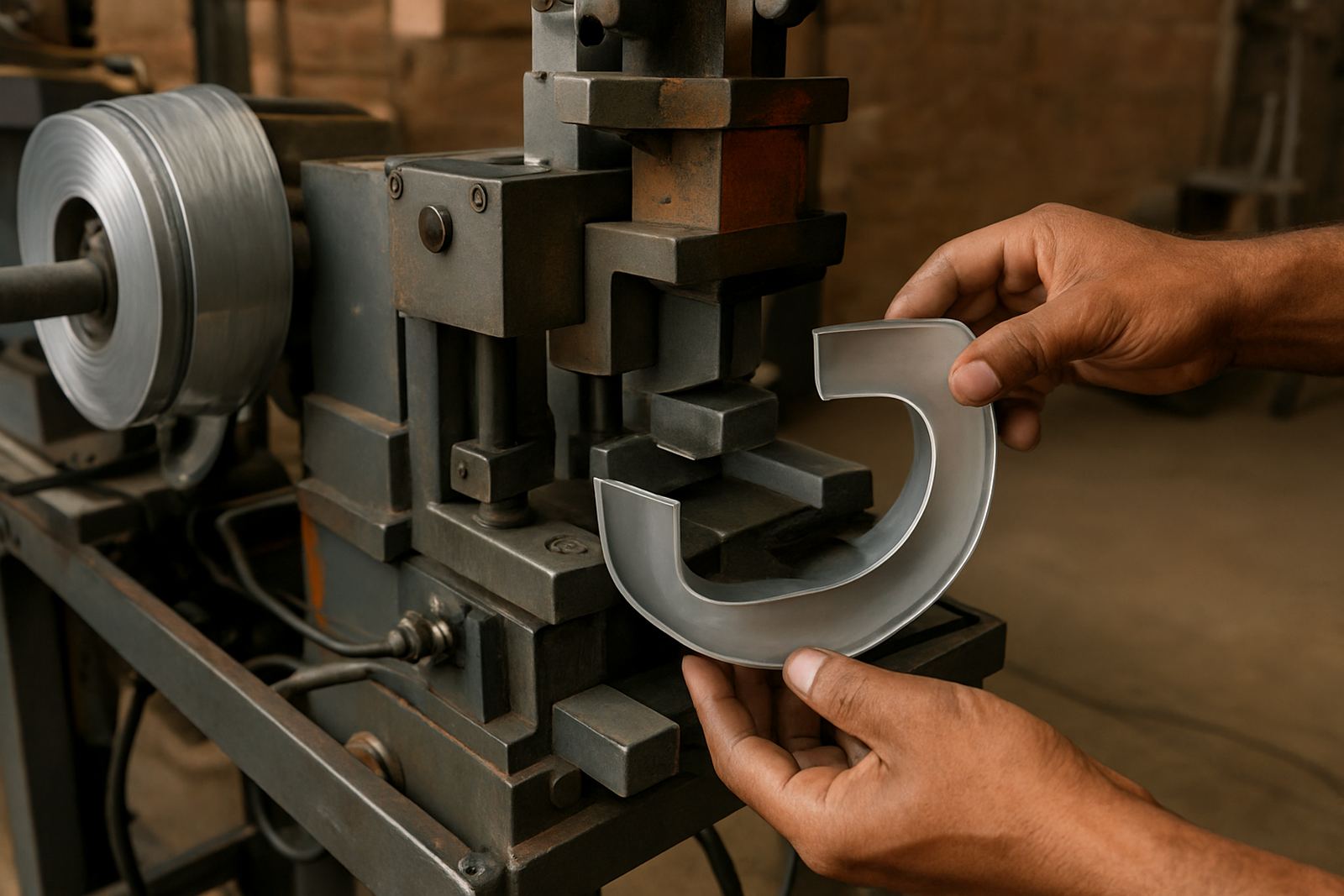
For sign makers, consistency is everything. A machine that keeps bends accurate and repeatable saves time on larger batches and reduces rework. That is useful whether you are producing one feature sign or a run of letters for multiple branches across Pretoria, the East Rand and West Rand. Our team often finds that operators need a clear production setup more than anything else, because once the depth and bend radius are set correctly, the finish becomes far easier to repeat.
Local conditions that should shape the spec
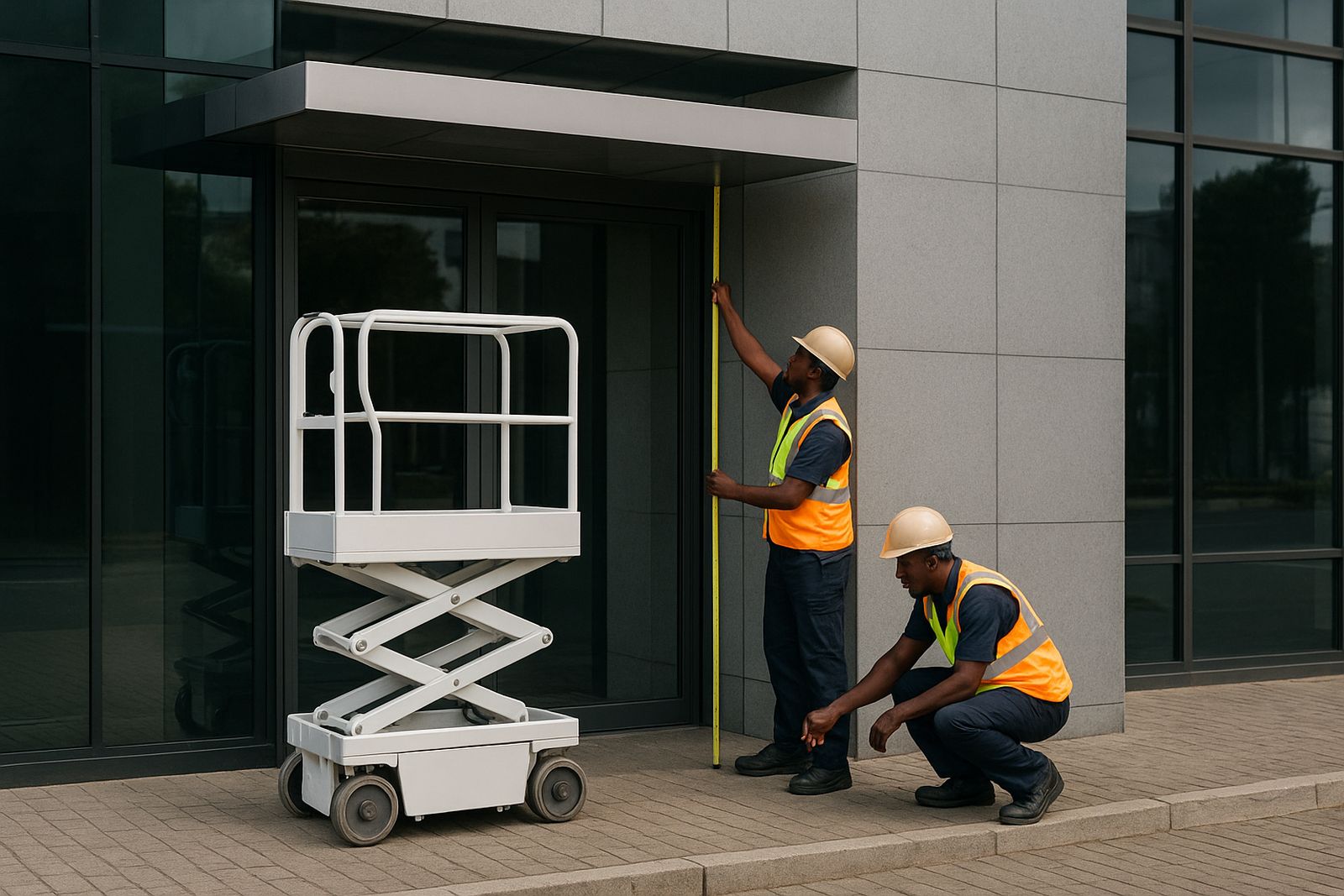
Sign sites around South Africa place very different demands on a channel-letter install. In Midrand you may be dealing with strong sun, dust and load-shedding, while on the coast the challenge is humidity and corrosion. In busy township retail strips or municipal areas, you may also have to consider sign by-laws, bracket height and how far the sign projects from the building line. Deeper returns can help a sign feel more substantial but the full install still needs to suit the site.
Before finalising the return depth, check a few practical points with the client and installer team:
- Viewing distance from the road or parking area
- Whether the sign is face-lit, edge-lit or unlit
- Wind exposure on the elevation
- Available power and backup plans for outages
- Access for future servicing or face replacement
If those details are sorted early, the return depth can support the job instead of creating problems later on.
A Midrand example that shows the value
A sign maker working from Midrand recently needed channel letters for a client near a main access road. The first specification used a shallower return because it seemed cheaper on paper, but the test fit showed the letters looked thin at distance and the evening glow was uneven. The team revised the build to a deeper return and the result was far better from the road, with a cleaner light spread and a stronger outline after dark.
That is the practical lesson. Deeper returns are not automatically the answer for every sign, but on the right project they improve legibility, lighting and presence in one move. For sign makers serving clients nationwide, the key is to match the return depth to the viewing distance, the lighting method and the site conditions, not just the drawing on the cutting table.