Show the sign in the right context first
Clients often struggle to approve lettering when they are only looking at a flat layout on a screen. Put the sign into a simple context as early as possible: the actual wall, pylon, shopfront fascia or office frontage where it will sit. A client in Sandton or Midrand will make faster decisions when they can see size, spacing and mounting position against the building they know.
Keep the first view practical. Show the sign at the proposed viewing distance, and include a second view that explains how it looks from the parking area or street. That helps the client understand whether the letters need more height, stronger contrast or a different return depth. It also reduces the chance of a late change because the sign looked too small once installed.
If the site has reflective glass, coastal humidity, or a bright midday sun problem, mention it early. A client in Durban will usually approve faster if they know the finish and lighting choice were considered for real site conditions not just appearance.
Use one clean approval pack instead of many loose messages
Approval delays often happen because information is scattered across WhatsApp messages, messages and calls. Put everything into one clear pack for the client. That pack should include the signed-off artwork, the size schedule, the material notes and the installation method. When people do not have to search for details, they decide sooner.
- Final artwork with dimensions in millimetres
- Letter height, return depth and face colour notes
- Mounting method and access requirements
- Electrical notes for illuminated letters where applicable
- Lead time and site-readiness items
This does not need to be complicated. It just needs to be complete. If the client understands what they are approving, there is less room for last-minute uncertainty. That matters for sign makers handling several jobs at once and trying to keep fabrication slots open.
Keep the wording plain and specific
Clients approve faster when the language is simple. Avoid technical clutter unless the person signing off actually wants the detail. Say what the product is, what it will do, and what the client needs to confirm. For example, instead of a long explanation about fabrication methods, say: “Please confirm the letter size, finish and fixing position so we can proceed.”
Be specific about colour and finish. Many approvals slow down because the client thought the finish would be gloss, when the sample showed satin. If the lettering includes a logo, state whether the logo colours are matched to a supplied reference or printed sample. A small mismatch can hold a job for days, especially where multiple people are making the decision.
For larger commercial sites in Pretoria, the decision maker may not be on site every day. Clear wording helps them approve from their phone or laptop without asking for another explanation from the branch manager.
Bring one sample or mock-up that answers the real question
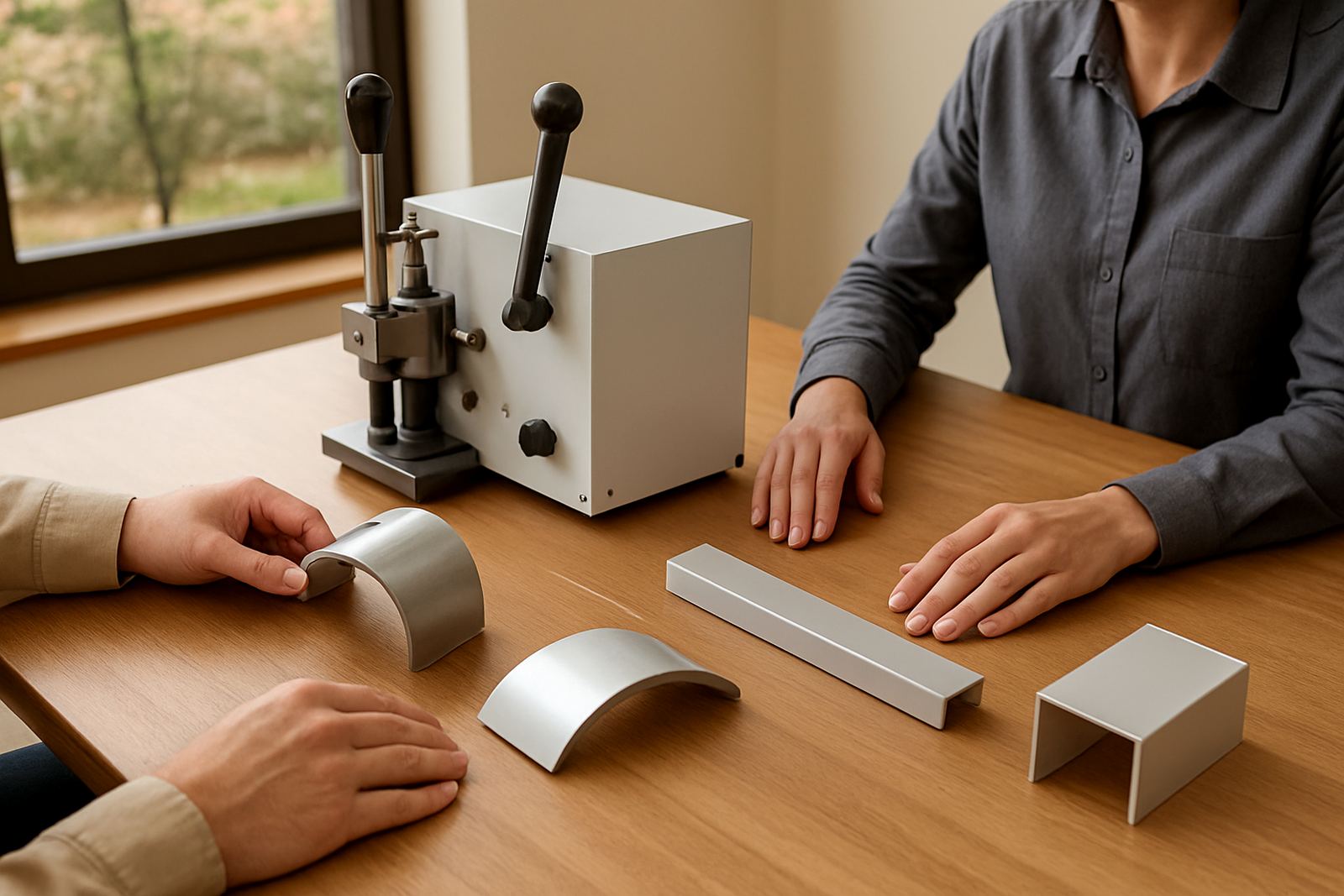
Clients do not need ten options. They usually need one good sample that answers the main concern, which is usually size, finish or visibility. A physical sample of a return, a face finish or a corner detail often speeds things up because it removes guesswork. Even a small offcut can help the client understand quality better than a long description ever will.
For fabricated lettering, focus the sample on the part that affects the final look most. If the job will use brushed metal returns, show that. If the letters are to be fitted on a textured wall, show a fixing detail or a small mock-up board. The aim is not to impress, it is to remove doubt.
When the client can touch the sample and compare it to the site, approval tends to come much faster. In many cases, it is the difference between “we will think about it” and “yes, go ahead.”
- Match the sample to the actual material finish
- Show a true size reference beside the sample
- Label every option clearly to avoid confusion
- Keep the sample clean and free of old adhesive marks
Give the client the right decision points at the start
Approvals drag when the client is asked too many questions at once. Break the decision into a few simple points. Start with size, then finish, then lighting, then fixing method. Once the client has agreed to those items, the rest of the process can move without repeated checking.
When possible, tell them which decisions are final and which are flexible. A client may still want to change the letter colour, but the letter height, mounting location and power route may already be locked in by the site. If you make that clear early, you avoid awkward changes after production has started.
This approach helps on national rollouts too. A chain store in the East Rand may want the same style repeated in different branches, but each branch still has its own wall height, electrical access and landlord rules. The sooner those details are fixed, the sooner approval comes through.
Use local site facts to close the gap
A useful approval presentation does more than sell the look. It shows that the supplier understands the site. If the install is in Midrand, Sandton or the West Rand, mention access restrictions, working hours, loading areas and any body corporate rules that may affect the job. For municipal or landlord-controlled sites, this can save time later and helps the client trust the proposal.
At Channel Letter, we often see faster sign-off when the presentation includes practical notes such as ladder access, power position, weather exposure and any need for after-hours work. A client is less likely to delay when they can see the job has already been thought through properly.
Local example: a retail tenant in Pretoria needed channel letters for a fascia above a busy walkway. The first drawing looked fine, but the client hesitated because they could not picture the viewing angle. Once the proposal showed the sign from street level, included the fascia measurement, and noted the installer would work after trading hours, the approval came the same afternoon.
Make the handover easy for the person signing off
Many approvals are delayed because the client does not know what happens after they say yes. Explain the next step in one short sequence. Tell them when production starts, what site information is still needed, and who they should contact if they want a final check. When the handover is easy, the approval feels low risk.
A good closing message might say: “Please confirm by close of business, and we will move into production once the site position and power point are confirmed.” That kind of wording gives the client a clear action and a clear deadline. It also helps your team plan manufacturing and installation without guesswork.
If the customer still wants reassurance, offer remote tech help, onsite commissioning or refresher training once the letters are installed. Even when they only need fabrication, knowing support is available often makes the decision easier. Simple presentation habits do not just save time, they protect margins and keep the whole job on track.