
Why winter changes workshop handling
In Midrand and other inland areas, winter mornings can be dry but very cold, while Durban teams deal with cool air mixed with coastal humidity. Both conditions affect sign production in different ways. Metal contracts, adhesives behave differently, and operators often start the day with machinery that has not yet reached a stable working temperature.
For channel-letter work, that matters. Coils can feel stiffer, returns may not sit as freely through the bend process, and any slight drag in feeding or alignment shows up quickly in the finished letter. If a workshop is also managing load-shedding, the start-stop pattern can make the machine’s setup even more sensitive. A machine that is ready at 8am in summer may need a proper warm-up and a quick check before production begins in July.
Check the machine before the first bend
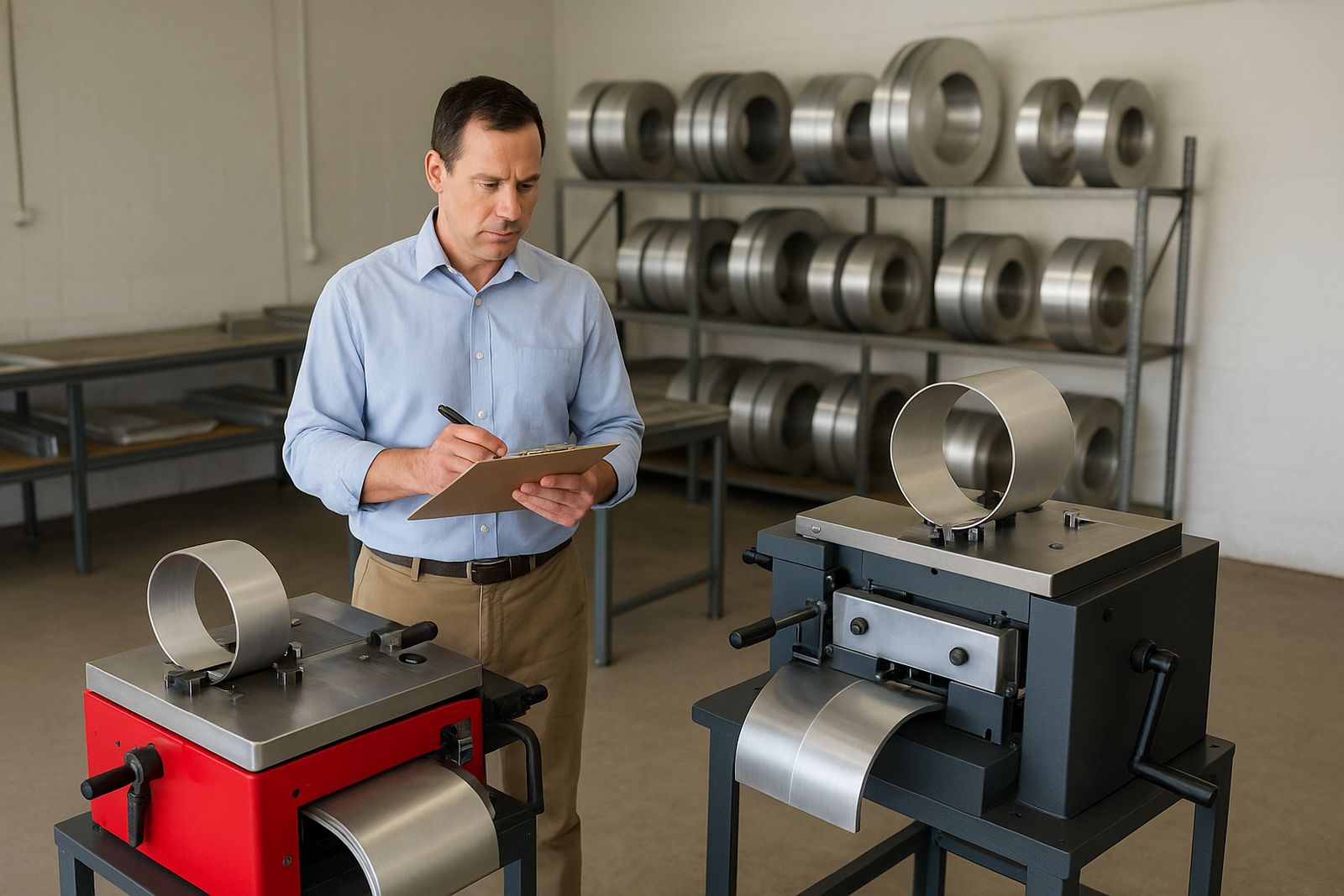
Winter servicing is not only for breakdowns. A short inspection each morning keeps production moving and helps spot issues before they become expensive. In colder months we advise sign makers to build this into the opening routine, even if the machine ran fine the previous afternoon.
- Switch on and allow the machine to stabilise before full production begins
- Check feed rollers, guides and clamps for dust or fine metal shavings
- Confirm that settings match the coil or return thickness being used that day
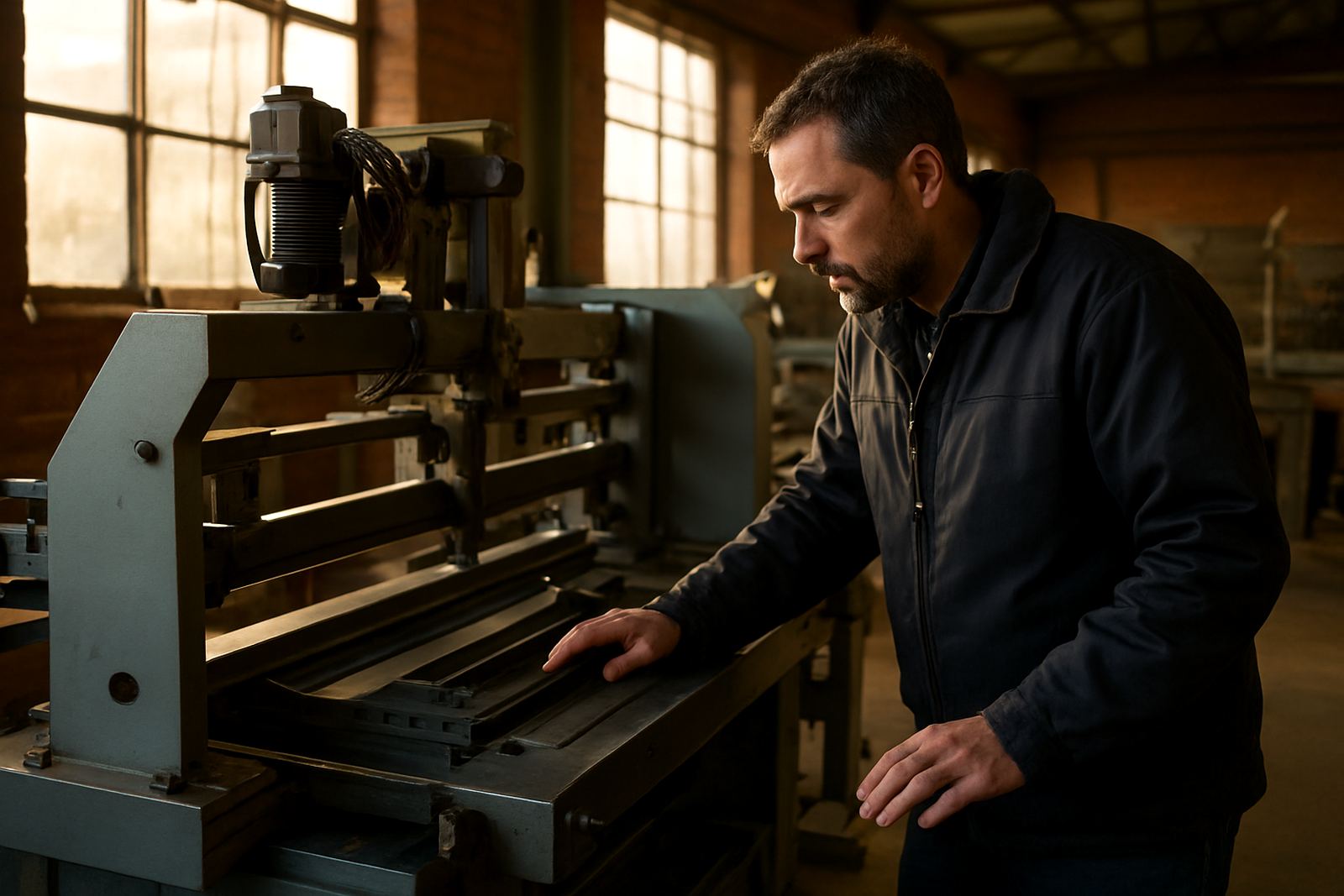
- Look for stiff movement in any part that handles pressure or direction change
- Test a short sample before starting the main batch, not after
If a team in Pretoria starts early and pushes straight into a large run, small timing faults can multiply fast. A two-minute sample save time later, and it often shows whether the machine needs a quick adjustment or a call for support.
Store coils and returns so they stay workable
Material care makes a real difference in winter. Coils that have been left near a roller door, against a cold wall or on the floor can carry moisture, dust and temperature variation that affects handling. Returns should also be kept straight, dry and clearly marked by width and finish so the right profile goes into the right job.
At our Midrand base, we often remind clients that material selection starts before cutting begins. If a coil has been exposed to temperature swings, let it sit in the workshop long enough to settle. Do not rush material from a cold vehicle straight into production. It may seem minor, but the first metres often feed differently from the rest and that can throw out consistency across a set of letters.
- Keep stock off concrete floors where possible
- Store material away from open doors, windows and wet areas
- Label width, finish and batch clearly to avoid mix-ups
- Use older stock first if you have multiple delivery dates on hand
Plan for load-shedding and cold starts together
Winter and load-shedding often arrive in the same week. That combination needs planning, especially for workshops that run tight delivery schedules. If a machine is interrupted mid-job, the restart can reveal feed changes, temperature-related movement or a calibration issue that was not visible before the outage.
Operators should know exactly what to do after power returns. Check the machine path, confirm the last setting, and run a short trial piece before resuming the full order. If there is a generator or backup supply, make sure the machine is protected from sudden spikes and that the startup sequence is followed every time. This is one of the easiest ways to reduce unnecessary wear.
For teams in Sandton, East Rand or Durban handling higher volumes, it helps to separate urgent work from jobs that can wait for a stable window. That keeps the shop from being forced into rushed recovery mode when the lights come back on.
Use winter to tighten operator habits
Good production care is not only mechanical. It is also about people. Winter is the right time for refresher training, because experienced operators can still slip into shortcuts when it is cold and the queue is long. A quick review of setup steps, safety checks and feed alignment can lift output more than a new part sometimes does.
We see better results when workshops keep one person responsible for the first inspection of the day and another for final sign-off before a batch starts. That small separation reduces guesswork. It also gives the technical lead a clearer picture if a problem appears later.
- Run refresher training when winter jobs begin to stack up
- Keep a written checklist at the machine, not only in someone’s head
- Record common winter faults so repeated issues are easier to trace
- Make sure new staff know how to stop work safely if something feels off
When to call for servicing or support
Some issues are easy to solve on site. Others need preventive servicing or breakdown support before they turn into lost production. If the machine starts drifting from its normal feed, if returns are not tracking straight, or if a repeated fault appears after cold starts, it is worth getting it checked properly. Waiting usually costs more than the call-out.
For sign makers in Midrand, Pretoria, the West Rand, Durban and beyond, onsite commissioning and installation planning can also help when a new machine is being added in winter. Correct setup from the start means fewer surprises later. Remote tech help is useful for quick guidance, but if a part is worn or the alignment has shifted, the workshop still needs a hands-on inspection.
As Sibusiso Mthembu often reminds clients, winter production care is about keeping the line steady. Not every fault is dramatic, but every small fault can slow a week down if it is ignored.
A practical winter example from the shop floor
A sign shop in Pretoria may begin the day with a pile of channel letters due for completion before a municipal inspection or site handover. The team arrives before sunrise, the workshop is cold, and the first coil is a little stiff. If they rush the first setup, the bend may be slightly inconsistent and the return may need rework. That one error can hold up paint prep, fitting and delivery.
Now compare that with a workshop that warms the machine, checks stock conditions, runs a sample and confirms settings before production. The same order moves cleaner through the day. Less rework, less waste and fewer late-night calls. In winter, that discipline matters more than ever because the margin for error is smaller and the pressure is higher.
For many clients, the goal is simple: keep the machine ready, keep the materials stable and keep the team alert. Do that well, and winter becomes manageable instead of disruptive.