
Why small spares prevent big production delays
Most sign shops do not lose time on major breakdowns every week. They lose time on a worn sensor, a damaged cutter, a tired drive part, or a cable that starts failing after repeated movement. Those little issues can stop an entire line if the machine cannot feed, cut, bend, or read correctly.
In Midrand, where many workshops run mixed jobs for local installers and out of town clients, a missed morning can quickly affect delivery for Sandton, Pretoria, or even a same-day load going to the East Rand. If your team is waiting for one part from a supplier, the machine sits idle while orders pile up. Keeping the right spares is not about overbuying. It is about holding the parts most likely to wear out, especially on machines that work daily and sometimes through load-shedding windows when production has to be pushed into shorter, tighter shifts.
The wear parts most workshops should hold
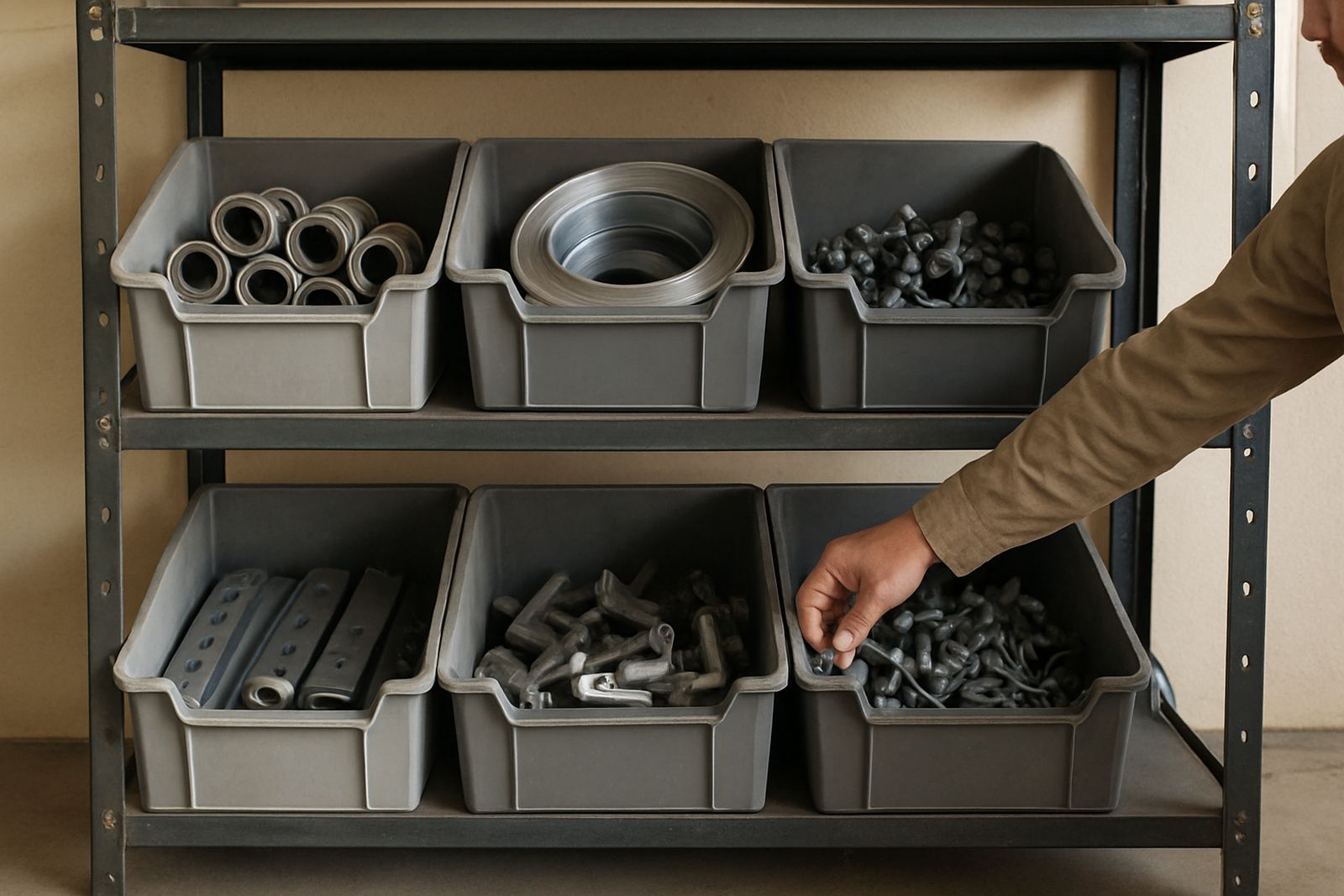
Every machine setup is different, but there are a few items that often make sense to keep ready. These are the parts that are small enough to store easily, yet important enough to stop a shift if they fail.
- Cutter blades and scoring blades
- Drive belts and tension parts
- Sensors and limit switches
- Feed rollers and pressure rollers
- Fuses, relays, and contactors
- Cables, connectors, and terminal ends
- Return material guides and straighteners
- Fasteners, clamps, and mounting hardware
For coastal work in Durban, it can also help to keep parts that are exposed to humidity in sealed containers with desiccant packs. Rust on one small fitting can create another fault later if the machine is not checked properly. A clean spare is worth more than a cheap one that has been left on a shelf in a damp room.
What to stock for coil and return handling
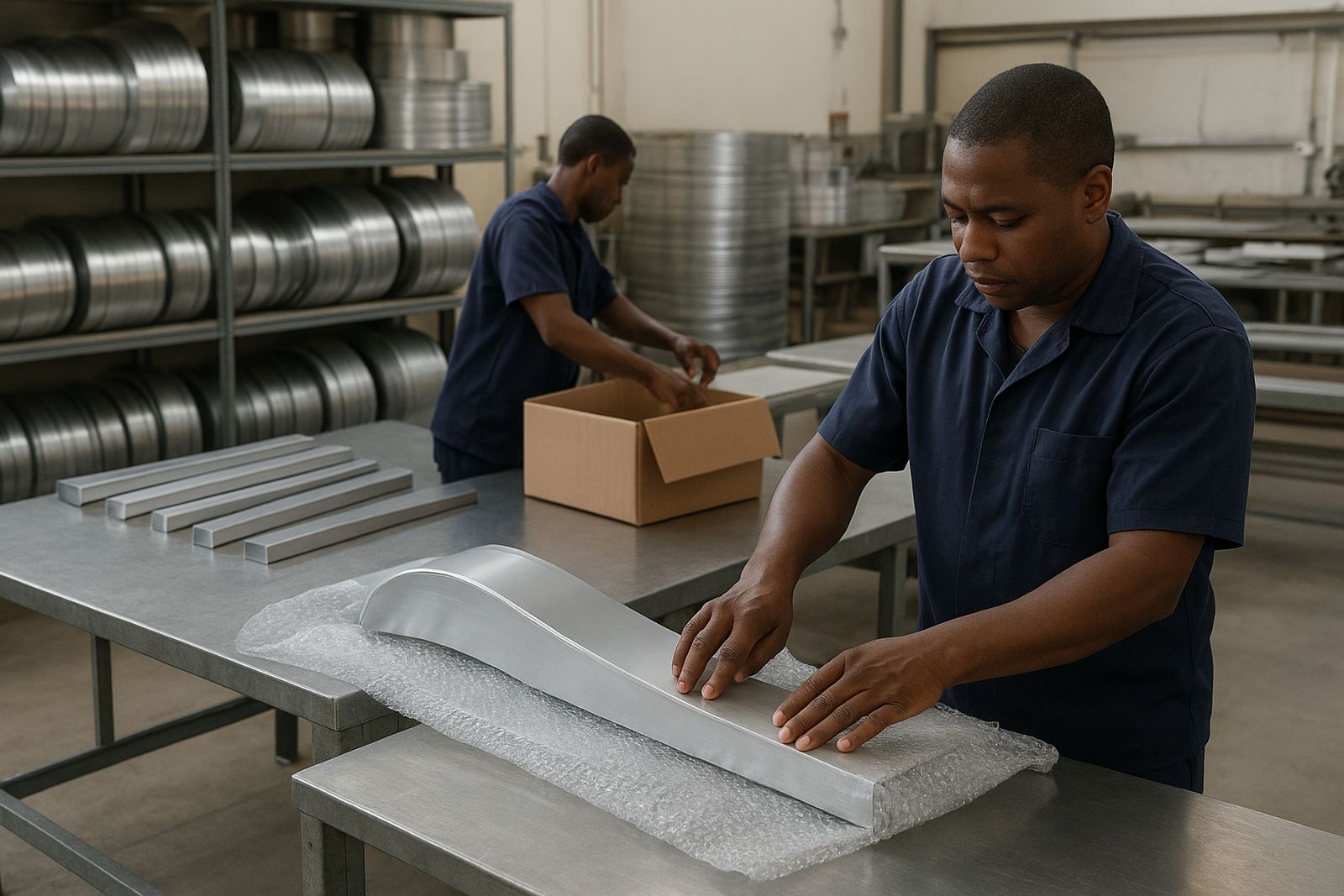
Channel-letter production is not only about the machine head. The coils and returns also need care, and parts around handling and feed can wear faster than people expect. If the material drags, twists, or marks during feeding, the finished sign can show it immediately. That means more scrap, more rework, and longer job times.
Workshops that bend a lot of return material should look closely at:
- Feed guides and alignment blocks
- Pressure pads and hold-down parts
- Guide wheels and tracking pieces
- Measurement rulers and stop blocks
- Replacement cutting wheels or trimming parts
If you work with different thicknesses from one week to the next, having spare guides and rollers can be useful because setup changes often reveal weak points. A shop in Pretoria that handles both retail signage and fabrication for larger manufacturers may go through more adjustment cycles than a smaller workshop, so the spare list should match the pace of production, not just the machine manual.
How to decide what is worth holding on site
Not every spare needs to sit on the shelf. A practical rule is to keep the items that are cheap, commonly used, and likely to stop the machine. Higher value parts can be ordered as needed if the lead time is acceptable. This keeps cash tied up to a minimum while still protecting your workshop from long delays.
Ask three simple questions for each part: How often does it wear, how long would it take to replace, and how much production would stop if it failed today? If the answer is high on all three, stock it. If the answer is uncertain, record usage for a few months before deciding.
Good stock control matters too. Label each part clearly, keep the part number and machine model with it, and check dates on electrical items before they are fitted. In busy shops, a single missing label can waste half an hour while a fitter tries to match a connector or sensor by eye. That is time you do not get back.
A Midrand example from a busy sign shop
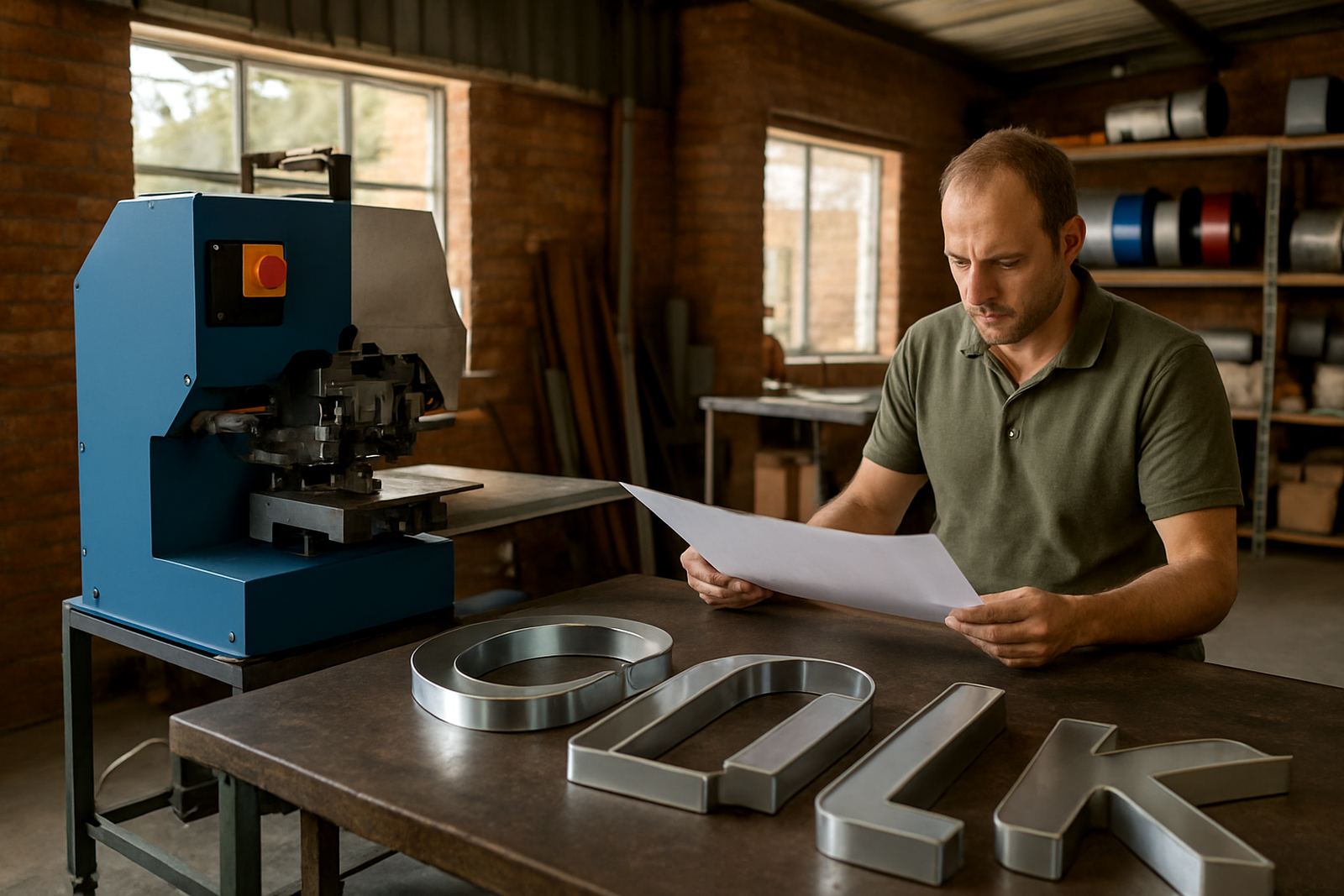
A workshop in Midrand that handles cut lettering for shopping centres and municipal sites had repeated stoppages on a Monday morning. The machine would run for a few hours, then stop feeding cleanly after a short power interruption over the weekend. The fault was not major. It came down to a worn sensor and a tired roller set, both of which were on back order.
Once the shop kept those spares on hand, repairs took less than an hour instead of losing most of a day. The team also started logging which parts failed after power dips, which helped them plan better around load-shedding and weekend downtime. That kind of simple record-keeping can make a real difference, especially when installers are waiting for signs to be ready before a site visit in Sandton or Pretoria.
How regular servicing protects your spare budget
Preventive servicing is not just about keeping the machine clean. It also helps you spend less on spares over time because worn items are replaced before they cause extra damage. A loose belt can strain a motor, a blocked guide can scratch material, and a weak cable can trigger faults that look bigger than they are.
When a workshop schedules checks at fixed intervals, the spare list becomes easier to manage. You will see patterns in what fails every six months, what lasts a year, and what is only needed after heavy use. That means fewer emergency purchases and better planning for production peaks.
For larger operations in the West Rand or East Rand, the real gain is consistency. The machine stays closer to its normal settings, operators spend less time waiting for fixes, and the finishing quality stays steady across multiple jobs. Small spares, when chosen well, support the whole workflow from the first coil to the final return.
A simple spare list your team can keep updated
If you are not sure where to start, build a spare list around your current machine and the jobs you do most often. Keep it short at first, then add items only when a part has earned its place on the shelf. That way, your stock stays useful and does not become dead weight.
- Record the machine model and serial details
- List the five parts that stop production fastest
- Keep one replacement for each high-wear item
- Store electrical parts in dry, sealed containers
- Review the list after every breakdown
- Update counts after each install or service visit
With the right spares ready, your workshop can keep working through tight deadlines, power interruptions, and seasonal rushes. That is often the difference between a manageable repair and a costly stoppage.