
Why small setup errors become costly fast
In channel-letter work, a millimetre out at the machine can become a loose corner on the sign face, a poor fit on the return, or a visible waviness once the letters are lit. The trouble is that many faults look like material problems at first, so operators keep pushing through batches when the real issue is setup or handling.
That is why training matters as much as the machine itself. A good operator does not only know how to start a bend, they know how to check the coil, set the feed path, confirm the profile and spot when the machine is telling them something is wrong.
Feeding the wrong material, or loading it badly
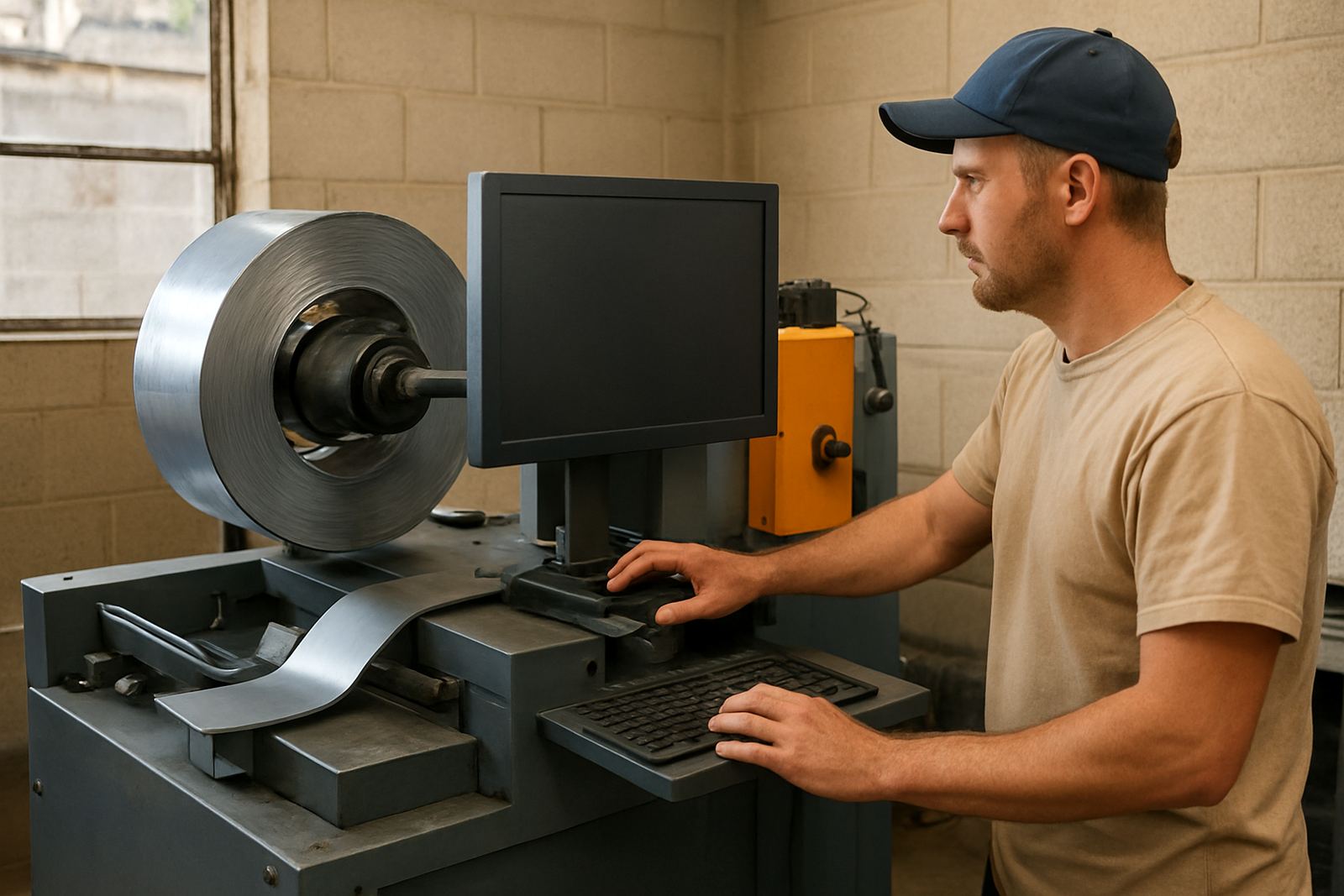
One of the most common mistakes is loading material that is not suited to the job, or loading it with too much twist and tension. Aluminium coil and return material must sit straight and feed cleanly. If the coil is bent, dented, or clamped poorly, the machine will fight the feed and the finished return can drift out of square.
In humid coastal areas like Durban, stored material can also pick up moisture or contamination from the workshop floor. On the Highveld, dust and fine metal offcuts can get into the feed path. Both will affect finish and can mark the surface before the bend even starts.
- Check the coil edge for damage before loading.
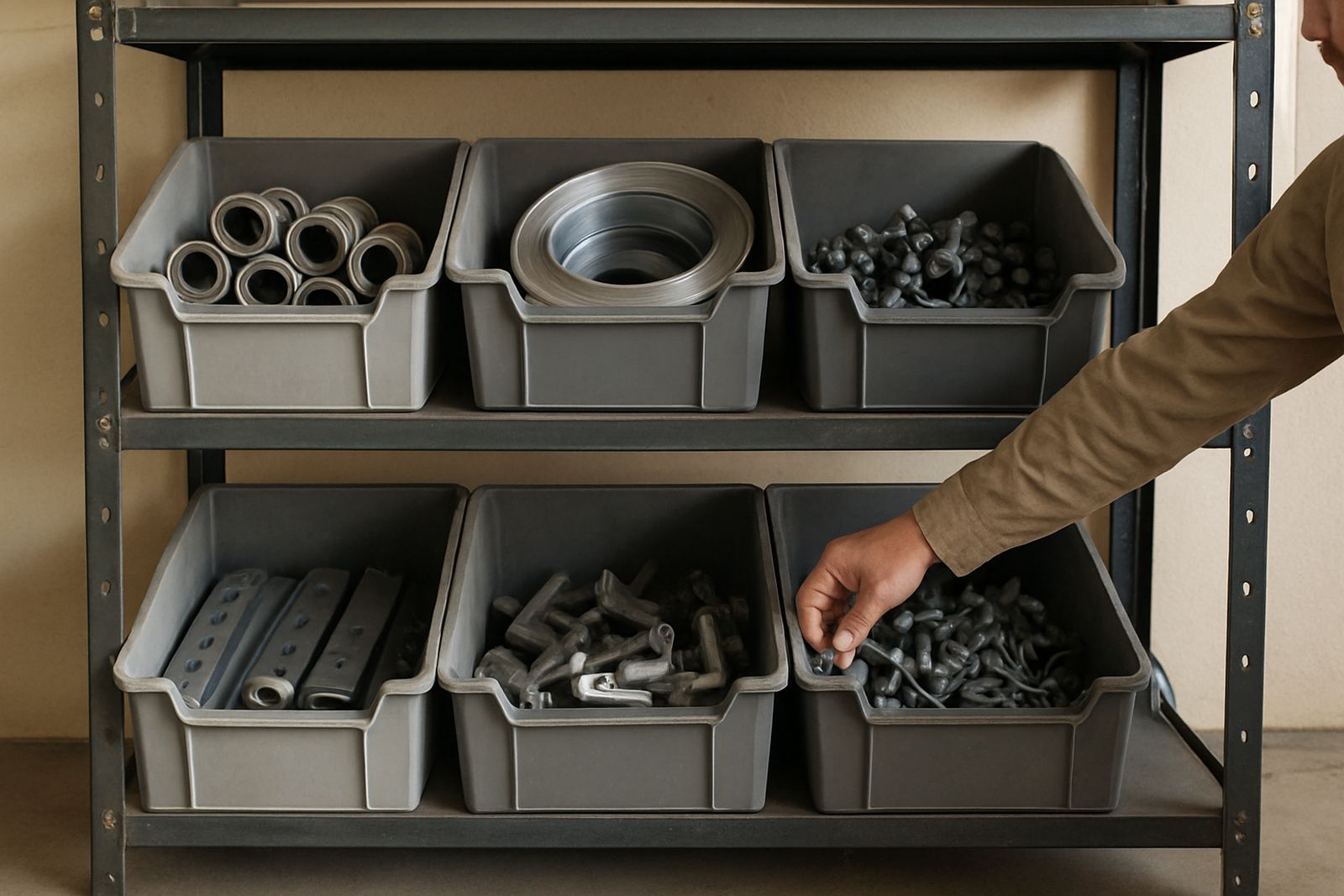
- Keep material off the floor and away from standing water.
- Use the correct width and gauge for the profile being produced.
- Make sure the feed path is aligned before the first test bend.
Skipping calibration and first-piece checks
Another common habit is to trust yesterday’s settings for today’s job. Even with the same profile, a change in coil batch, return height, or tool wear can alter the result. If the machine is not calibrated properly, the operator may only notice the error after several metres of material have been wasted.
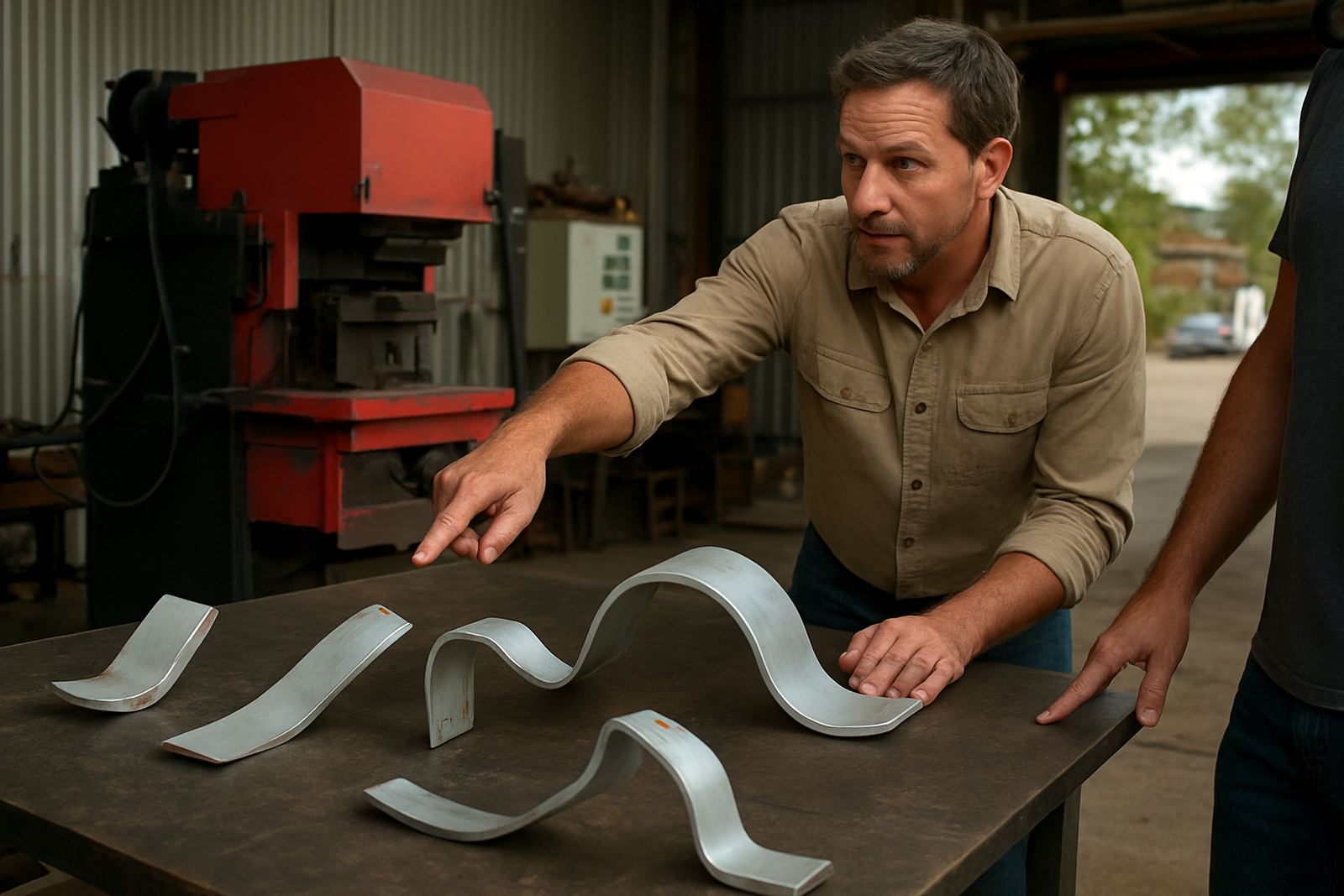
A first-piece check should be part of every production run. Measure the height, lip, and bend consistency before full production starts. If the sign is going to fit a specific cabinet or mounted frame, check the dimensions against the actual drawing, not only the expected size.
- Run a test piece and measure it before batch production.
- Confirm the profile against the job card or technical drawing.
- Recheck after changing tooling, material type, or coil width.
- Keep a simple log of settings that worked on previous jobs.
Forcing speed over accuracy
Some operators chase speed because deadlines are tight and the machine looks like it can handle more. But running too fast can create chatter marks, misfeeds, poor corners and unnecessary wear on moving parts. The result is often slower overall production because the operator has to stop and correct faults, or remake returns that do not fit.
This shows up often on rush jobs for retail signage in places like Sandton or Pretoria, where installers want panels ready for a same-week fitment. A good pace is better than a fast one. Consistent output saves more time than reworking a pile of poor bends.
Operators should also watch for load-shedding interruptions. If the power cuts out mid-run and the machine is restarted without checking the last position, the next piece can begin with the wrong feed or a partial bend. That creates waste very quickly.
Ignoring tooling wear and dirty components
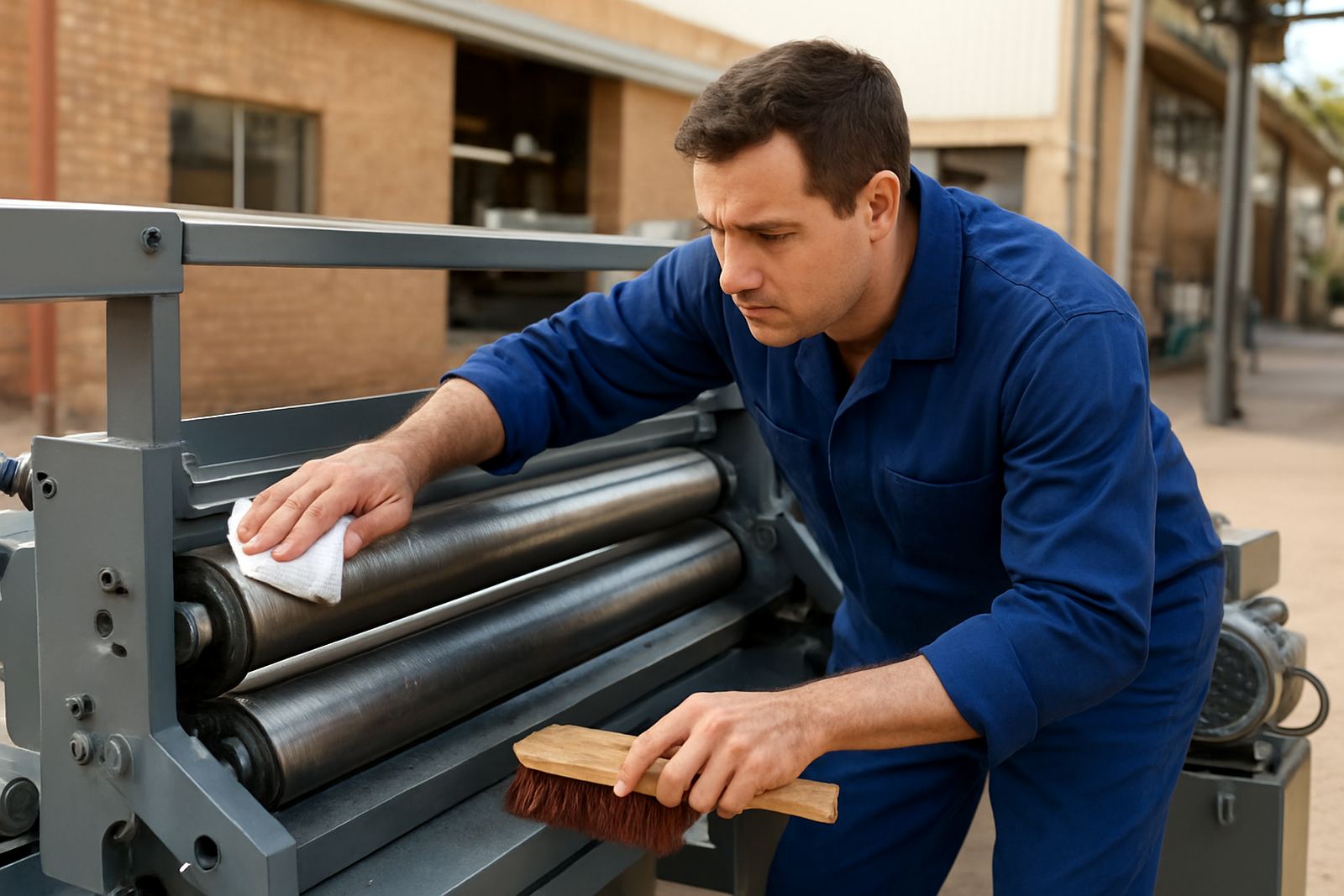
Even a well-set machine will struggle if the tooling is worn or dirty. Metal dust, adhesive residue, and small offcuts collect around feed rollers, guides and cutting points. Over time the machine starts to leave marks, snatch the material, or produce inconsistent bends. A noisy machine is often not just being noisy, it is asking for attention.
Preventive servicing helps here, but operators still need daily habits that keep the unit in good condition. A machine that is cleaned and inspected regularly will stay accurate for longer and place less strain on drive parts and sensors. It also reduces the chance of a breakdown in the middle of a production run.
- Clean guides and rollers at the end of each shift.
- Check for loose fasteners and unusual vibration.
- Inspect blades and bending points for wear.
- Replace small consumables before they affect finished output.
Poor communication between design, production and install
Many mistakes are not made at the machine at all, they start with unclear instructions. If the operator does not know the exact letter depth, return width, or install method, the result may be accurate to the setting but wrong for the job. That leads to delays on site and extra transport costs when parts need to be remade.
Good production coaching means the workshop, sales team and installer all work from the same information. On a Midrand job, for example, a cabinet sign for a roadside business may need a different return depth from one intended for an indoor reception wall. If the install team is going onto a windy site or a wall with limited fixing points, those details should be known before the first bend is made.
When the order is clear, the machine operator can choose the right material, set the correct profile and avoid guesswork. That is where planning saves money.
A practical routine that keeps output accurate
The best way to avoid operator mistakes is to make the routine simple and repeatable. Start with material inspection, then check the machine, then run a sample piece, and only after that move to full production. If anything looks off, stop and correct it before the batch grows. It sounds basic, but this is where many shops lose money.
For sign makers working across Gauteng and beyond, this routine also makes it easier to train new staff. A fresh operator in East Rand or West Rand can follow the same checks as an experienced one, which keeps quality steady from one branch or crew to the next.
- Inspect material before loading.
- Confirm the profile and job dimensions.
- Test bend and measure the sample.
- Watch the machine during the first few pieces.
- Stop early if the finish or feed changes.
When operators understand the machine, the work becomes cleaner, the returns fit better, and the equipment lasts longer. That is the difference between patching problems and running a proper production floor.