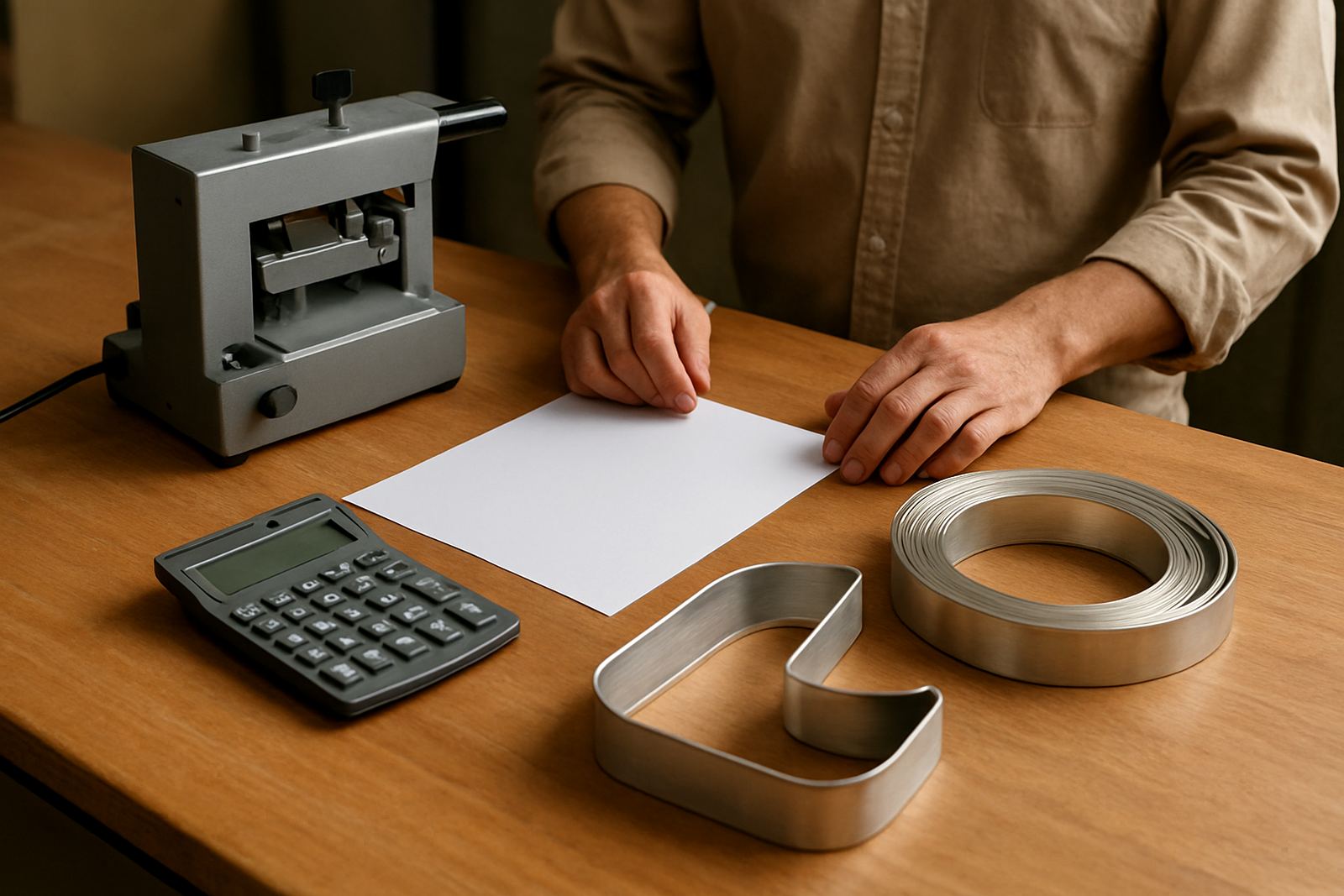

What each letter style is doing in the workshop
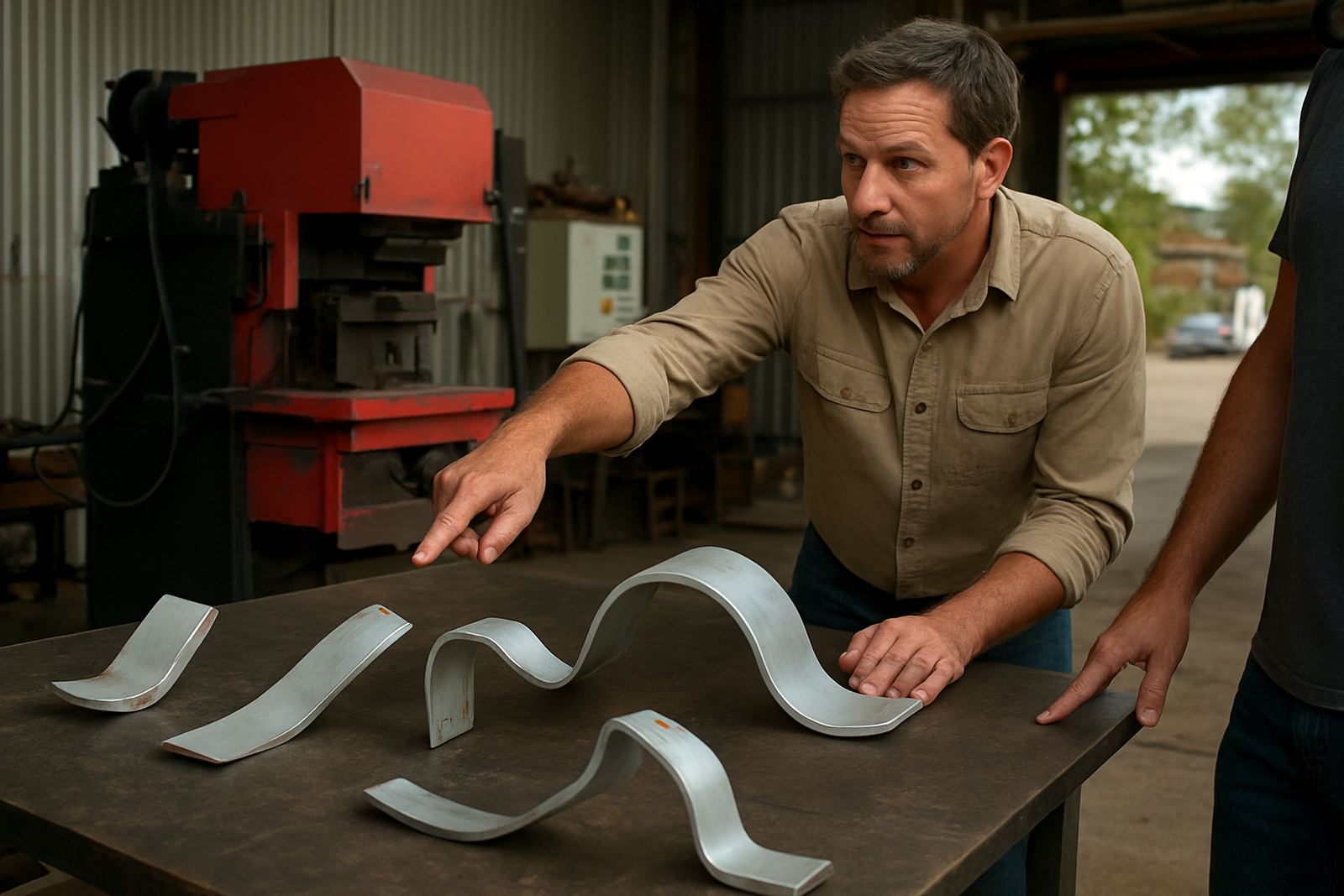
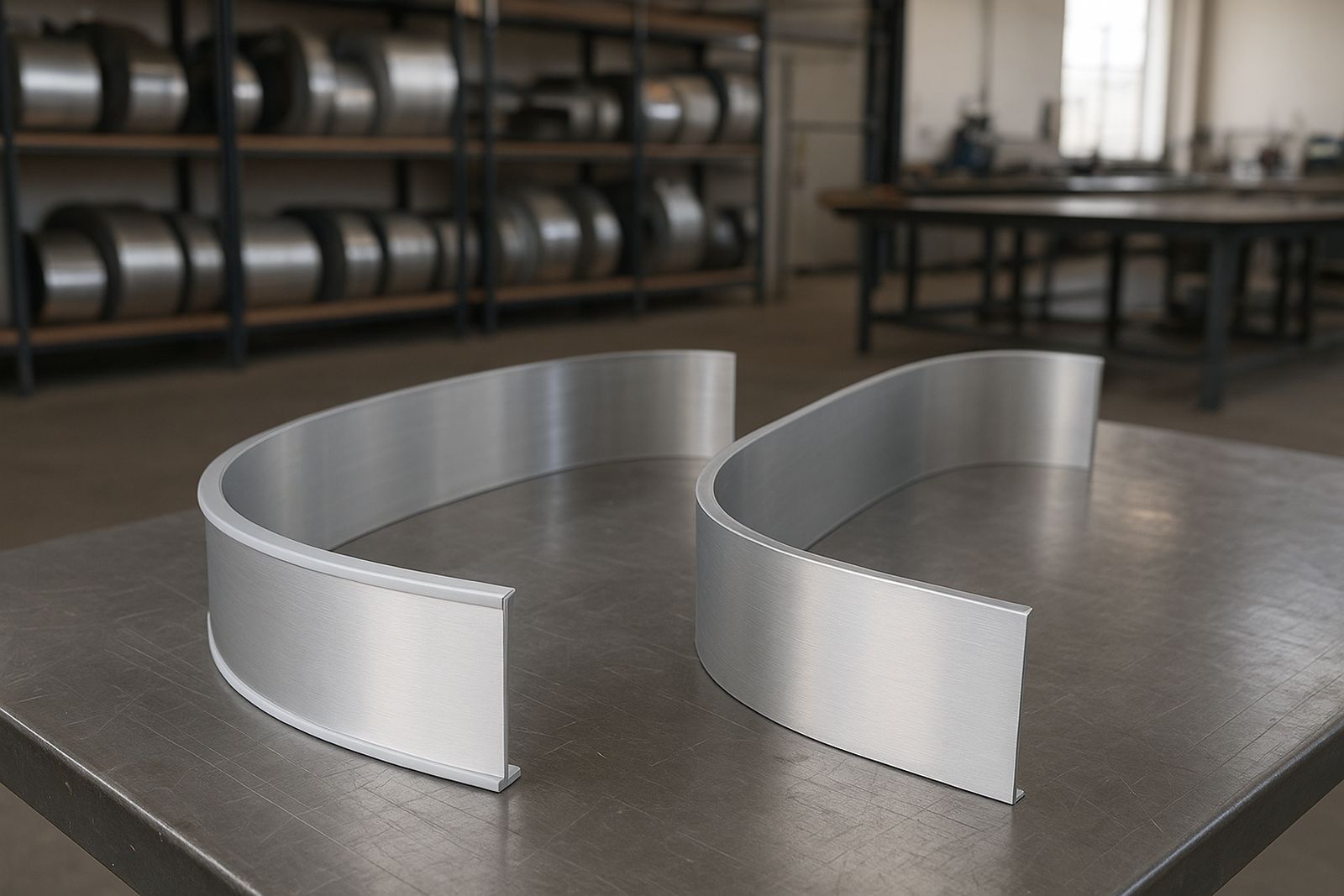
Return-based letters use a front face and a side return, so the letter has depth and a more built-out profile. That extra depth helps create a strong visual edge, and it also gives the signmaker more control over the finished shape. Trimless letters are made to look cleaner at the edge, with less visible framing and a tighter, more minimal outline once fitted.
For a workshop in Midrand or Pretoria, the choice is not only about looks. It affects bending time, handling, fixing methods and how much manual finishing is needed before the job leaves the floor. A return-based job can be quicker to understand for crews already set up for bending and assembly, while trimless work often asks for tighter tolerances and a steadier process from start to end.
Where returns make sense for sign makers
Returns are the safer option when the job needs depth, visibility and dependable repeatability. They work well on retail fronts, industrial parks, warehouses and municipal buildings where the sign must read clearly from a distance. In South African conditions, that extra depth also helps with surface shadow and gives the sign more presence in harsh daylight.
Returns are also useful when your team handles mixed volumes. If you are producing several sets a week in the East Rand or Randburg, a return-based workflow can be easier to plan around because the steps are familiar: bend, form, assemble, check fit and dispatch. This makes it simpler to train new operators and keep output steady when load-shedding or delayed deliveries put pressure on the schedule.
- Better for signs that need visible depth
- Useful when crews need a repeatable production method
- Helps hide small wall irregularities during fitting
- Often preferred for outdoor signs exposed to wind and dust
Why trimless finishes appeal to premium installs
Trimless letters are chosen when the finish needs to look neat and restrained. They suit corporate foyers, modern shopfronts and any client asking for a clean line without a bulky edge. The look is sharper, but the production and fitting usually need more care because the alignment shows more easily once the sign is installed.
For installers working in Sandton or Durban, trimless can be a good fit where the client wants the sign to sit neatly against glass, cladding or painted panels. Coastal humidity near Durban also means the workshop must think carefully about material selection and edge protection, because a neat finish is only worth something if it stays tidy after exposure to moisture and heat.
Trimless jobs tend to reward careful measuring. If the panel is not flat, or the fixing points are rushed, the finish can look uneven from a distance. That is why many teams use trimless for jobs where site conditions are known in advance and access is controlled.
How to decide based on material, size and power
Before choosing a style, ask how the letters will be powered, where they will sit and how often the site is likely to need maintenance. A large fascia sign on a busy street in Pretoria may benefit from a more forgiving return-based build, while a smaller feature wall in a boardroom can carry a trimless look with less visual weight.
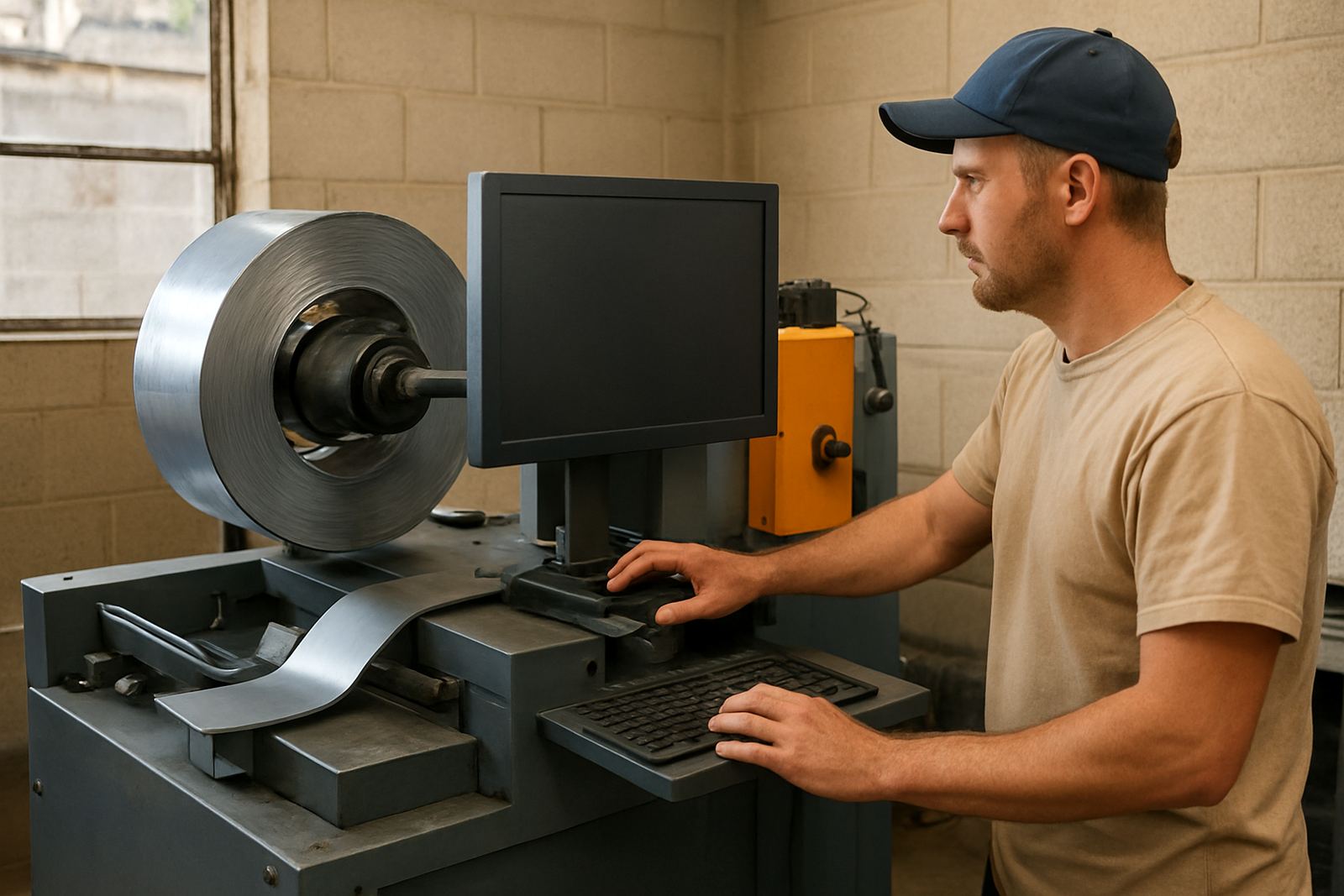
Workshop planning should also consider the material supply chain. If your team is cutting coils, forming returns and preparing faces in-house, the machine setup must match the volume. On smaller runs, a flexible process matters more than pure speed. On bigger runs, consistency becomes the real issue, especially when crews are juggling production and installs across Gauteng and beyond.
- Check the wall or panel flatness before choosing trimless
- Match the depth to the viewing distance and mounting height
- Plan around power availability and machine downtime
- Choose materials that suit the local weather and cleaning routine
A Midrand example from quote to install
A sign maker in Midrand taking on a series of retail units near Centurion may be asked for two looks at once. The front entrance could call for trimless letters on a smooth cladding panel, while the side elevation needs return-based letters that can be seen from passing traffic. That split approach is common, and it helps the client get the look they want without forcing one style onto every surface.
In that kind of job, the production team can use returns for the larger visible set and trimless only where the finish detail is most important. It keeps the workshop practical. It also reduces unnecessary hand work, which matters when installers are booked for the same week and the client wants sign-off before month end. If the team has good training and a clear installation plan, the job moves more smoothly and the final finish is easier to protect.
Getting cleaner results without slowing the floor
The best outcome is not picking one style for every job. It is building a process that lets you choose correctly each time. Return-based letters give your team a dependable base for everyday work. Trimless letters give you a sharper finish when the brief justifies the extra care. If your operators understand both, you can price jobs properly and avoid overcommitting on a finish the workshop cannot hold.
Channel makers and sign fabricators who work across Midrand, Sandton, Pretoria and the wider national market often need support that covers more than the machine itself. Operator training, preventive servicing, production coaching and remote tech help all play a part in keeping output consistent. A stable process means fewer reworks, fewer site complaints and a better handover to the installer.
- Train operators to spot fit issues before assembly
- Service bending equipment before peak production periods
- Keep spares on hand for parts that cause downtime
- Record which finish works best for each client type