What channel letters do better than flat signs
Channel letters create physical depth, so a sign stands out before a customer is close enough to read the fine detail. That matters on busy roads, in shopping nodes, and on factory parks where a flat panel can get lost among competing notices. The shape of each letter catches light in a cleaner way, and at night that depth gives the sign stronger presence without needing to overload it with extras.
For many South African businesses, that balance is the main reason to choose channel letters. A shop in Sandton wants a smart finish. A workshop in Pretoria wants something practical that still looks tidy. A coastal business in Durban wants a sign that can cope with humidity and salt air if the materials are selected properly. Channel letters answer all three needs well, provided the job is planned correctly.
- Good visibility from the road and from parking areas
- Works for indoor reception walls and outdoor façades
- Can be sized for small shops or large building fronts
- Gives a professional look without making the sign feel heavy
Why the material choice matters so much
A channel-letter sign is only as good as the metal, returns and face material used to make it. The bend must hold its shape, the finish must stay neat, and the parts must suit the site conditions. In South Africa that means thinking about heat, dust, rain, power interruptions and the type of maintenance the client can realistically manage. A sign that looks fine on day one but warps or stains later is not a saving.
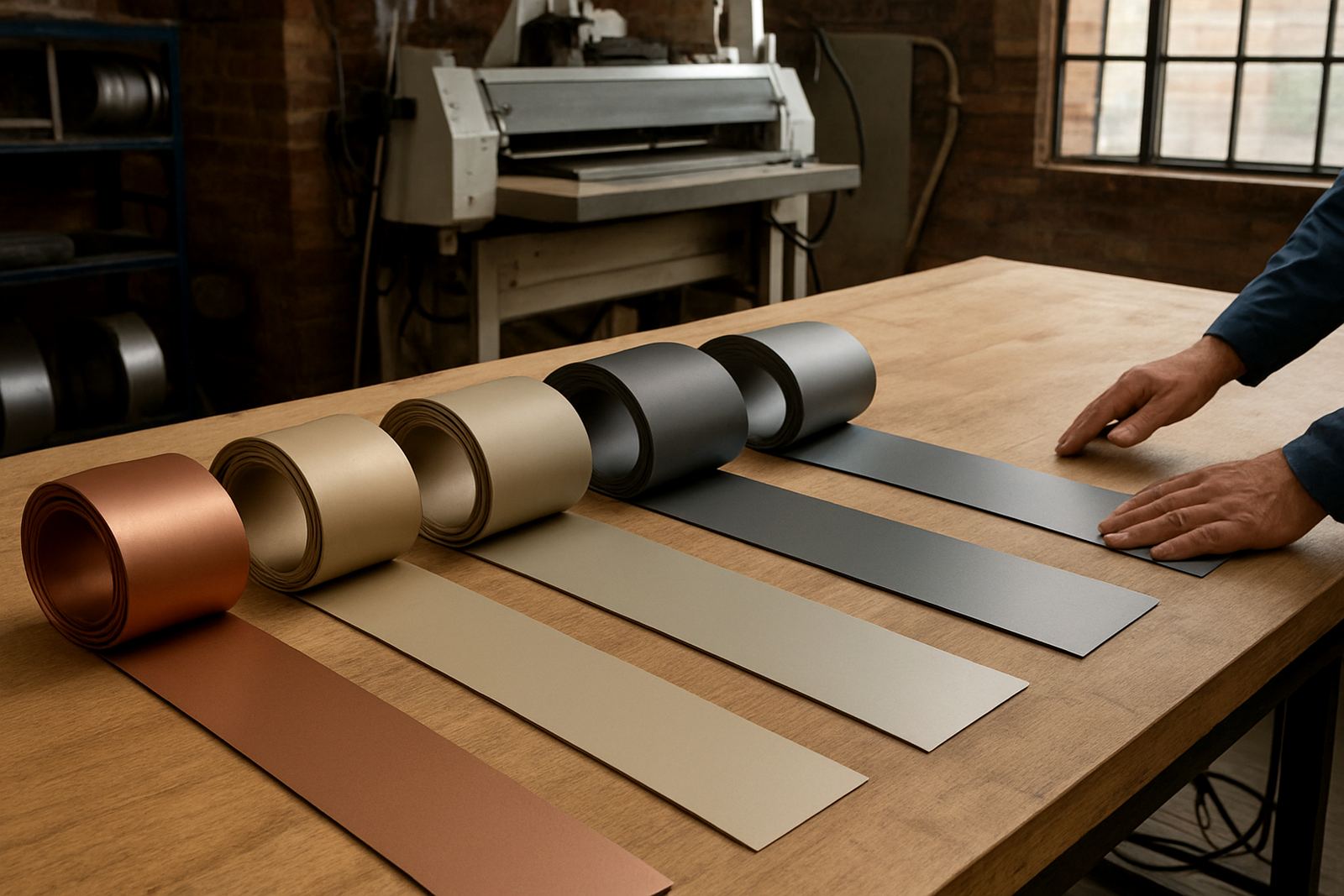
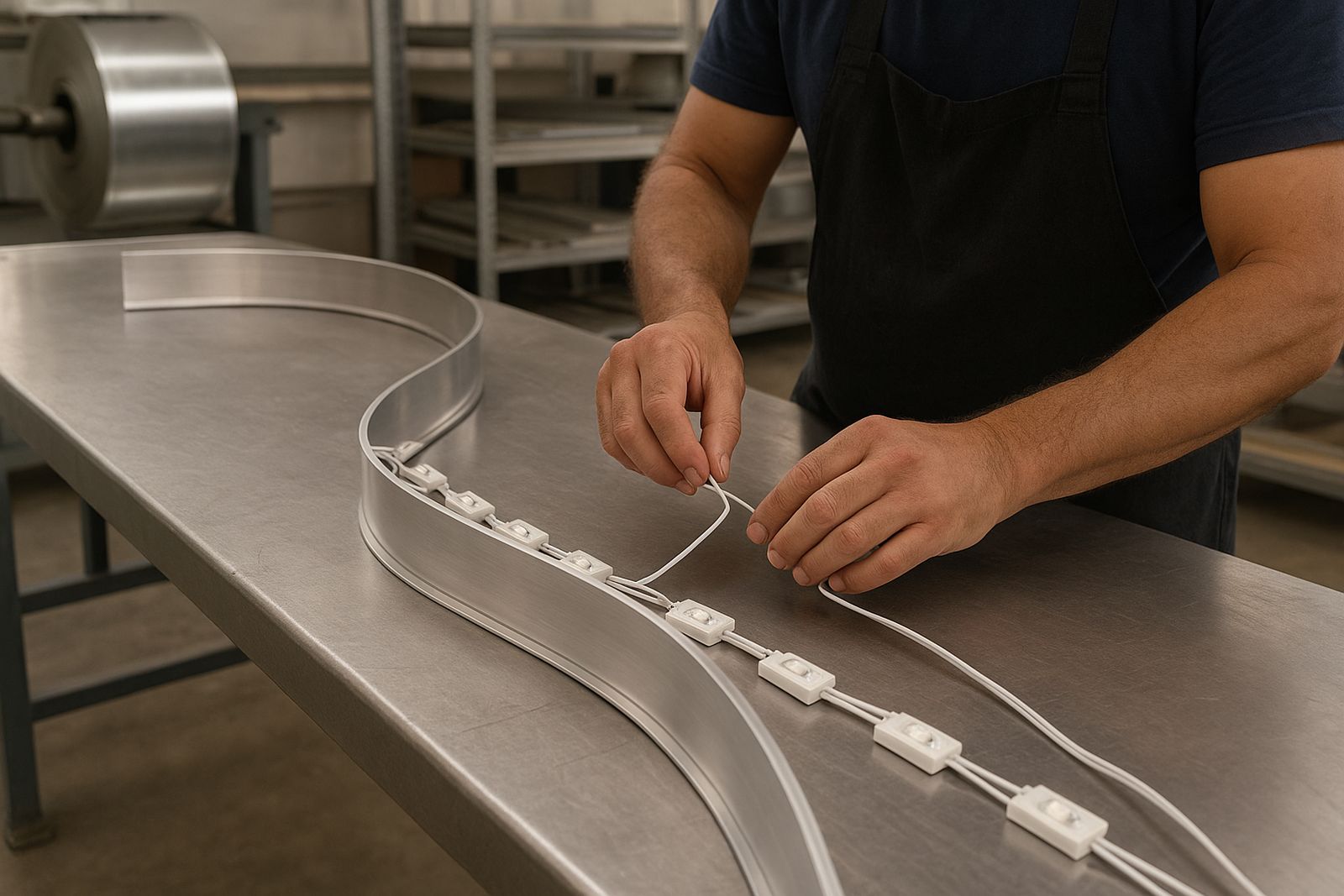
For many projects, sign makers want material that feeds well, bends accurately and gives repeatable results. That is where machine setup, coil quality and return profile consistency become important. If the returns are even and the coil cuts cleanly, the final letter installs faster and needs less correction on site. That saves labour, which is often the real cost in a busy workshop.
- Coastal areas need better corrosion awareness
- Outdoor signs need stable finishes under strong UV
- Workshop consistency cuts rework and waste
- Material quality affects both production speed and lifespan
How channel letters help sign makers work faster
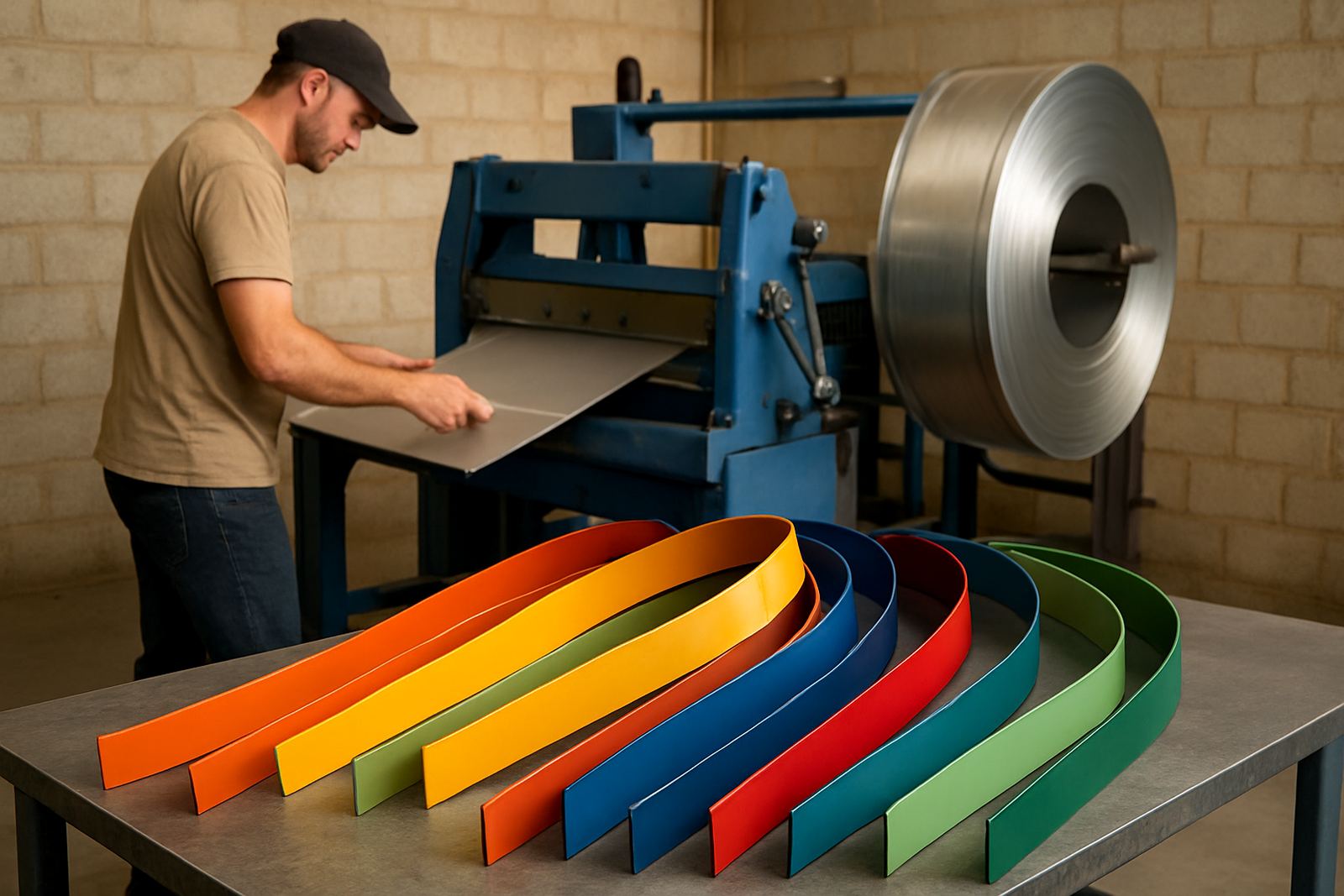
In a production workshop, time is often lost on trimming, redoing bends, or adjusting parts that should have matched the first time. Channel-letter bending equipment helps reduce that waste by giving a clearer process and more repeatable output. Once the operator understands the settings and the material flow, it becomes easier to move from a design file to a finished set of letters with less hand finishing.
That matters whether the team is small or handling regular batches for larger clients. A sign shop in Midrand might be producing letters for a new retail tenant one week and a factory branding job the next. If the machine, material and training line up, the workshop can keep moving even when load-shedding interrupts the day. Planned work, simple setup checks and proper operator training make a big difference. It is not fancy, just practical.
- Less manual rework on bends and returns
- Better consistency across repeat orders
- Quicker turnaround for urgent installs
- Easier training for new operators and junior staff
Channel Letters Still Suit Many Sites
Clients often ask for channel letters because they are easy to recognise and they carry a clear sense of permanence. A sign with depth feels more established than a printed panel, and that can matter for medical rooms, professional services, retail entrances and industrial reception areas. It sends a simple message: this business is open, invested and worth finding.
There is also flexibility in the look. Channel letters can suit a neat corporate face, a busy retail frontage or a straightforward workshop wall. They can be made for illuminated or non-illuminated applications, and that gives sign makers room to match the brief and the budget. In many cases, the real decision is not whether channel letters work, but how best to size them, place them and support them during production and fitting.
For a local example, think of a new retailer on a Midrand main road. The front elevation faces strong sun during the day and heavy traffic after hours. A properly planned channel-letter sign gives the tenant a clear identity from a distance, while still looking clean enough for the centre’s appearance rules. If the letters are manufactured with the right returns and installed with correct spacing, the sign stays readable instead of becoming cluttered.
Where training and support save money
Many sign makers do not struggle with the idea of channel letters. They struggle with the small things that slow production down, like incorrect settings, material waste, poor handling, or a machine that is not being serviced on time. That is why training and support are just as important as the equipment itself. A workshop that trains operators properly can produce better work with fewer interruptions and fewer call-backs.
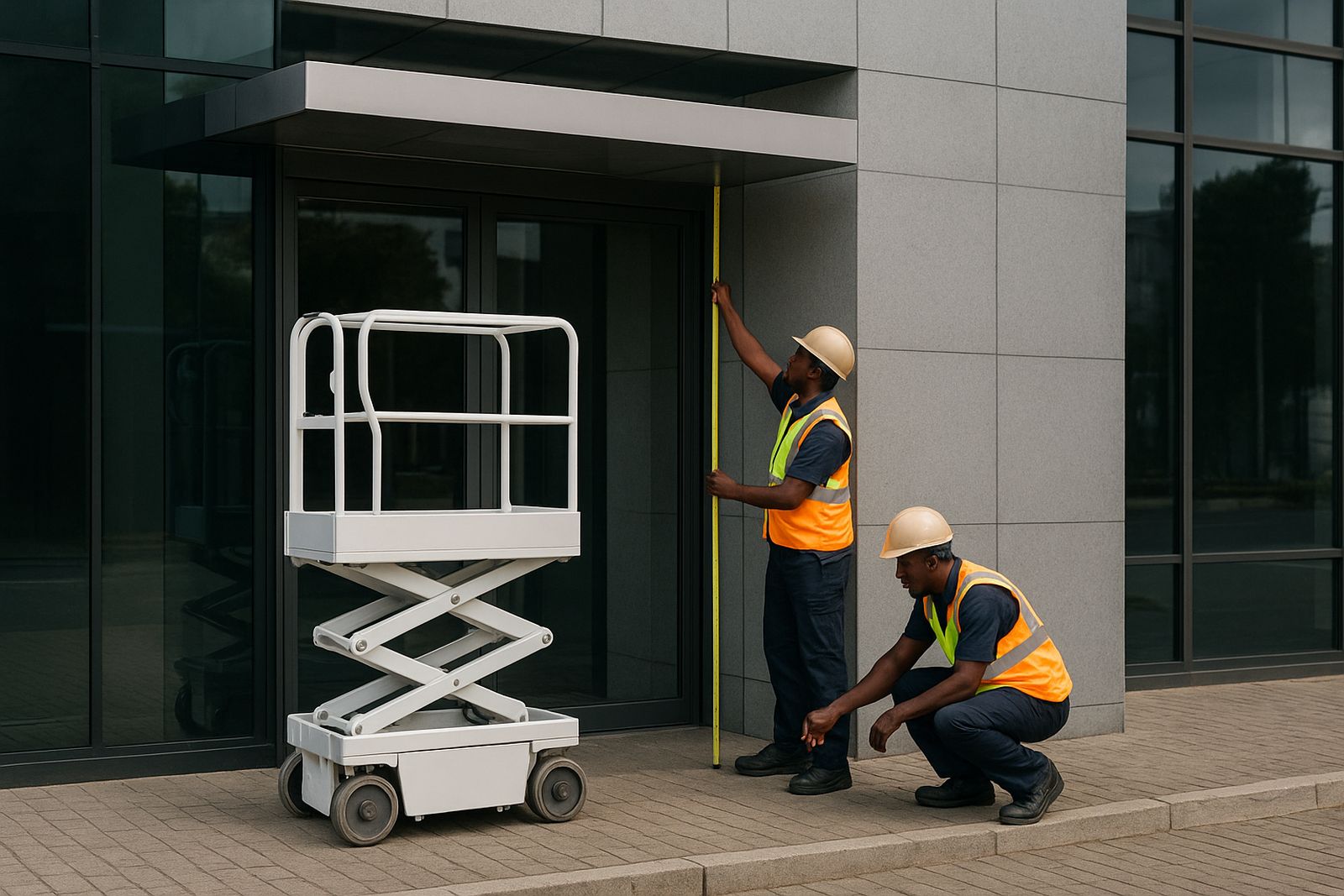
Support also helps when a team is dealing with pressure from client deadlines. An installation planned for Sandton may need site checks, a follow-up measurement, and a clean handover. A retail rebrand in East Rand may need quick spares and clear advice on the next production run. Remote tech help, onsite commissioning and breakdown support all reduce the time a machine sits idle. That keeps the workshop earning, instead of waiting.
- Operator training for new staff and seasonal help
- Refresher training when output drops or errors repeat
- Preventive servicing to reduce breakdowns
- Spare parts supply to keep production moving
What a good channel-letter workflow looks like
A good workflow starts before the first letter is bent. The team needs the artwork confirmed, the sizing checked, the mounting method agreed and the install site understood. If the client is in Pretoria, West Rand or Durban, that may also mean checking access, power points, weather exposure and any centre or municipal rules that affect the job. The cleaner the plan, the fewer surprises on fitment day.
Inside the workshop, material selection and machine setup should be matched to the type of sign being made. After that, production coaching helps operators keep the work neat and consistent. When a job is finished, installation planning and onsite commissioning make sure the sign is handed over properly. That last step matters because it is where small faults get picked up before the client notices them. A tidy handover saves a lot of time later.
- Confirm artwork, size and fixing method first
- Match the material to the site conditions
- Test the production flow before full output
- Check the final install before sign-off
Practical Channel Letter Production Support
Channel letters remain popular because they solve a real signage problem: how to make a business visible, professional and durable without overcomplicating the job. For sign makers, the value is in repeatable production, dependable materials and support that keeps the workshop working. For clients, the value is in a sign that looks right on day one and keeps doing its job long after the install.
Based in Midrand and working with sign makers nationwide, Channel Letter supports that process with equipment, coils, returns, training and technical help. Whether the work is going into a retail centre, an office park or a roadside site, the aim is the same: get the letters made properly, installed cleanly and kept in service. That is what makes the format worth using.