
Start with the letter size, depth and finish
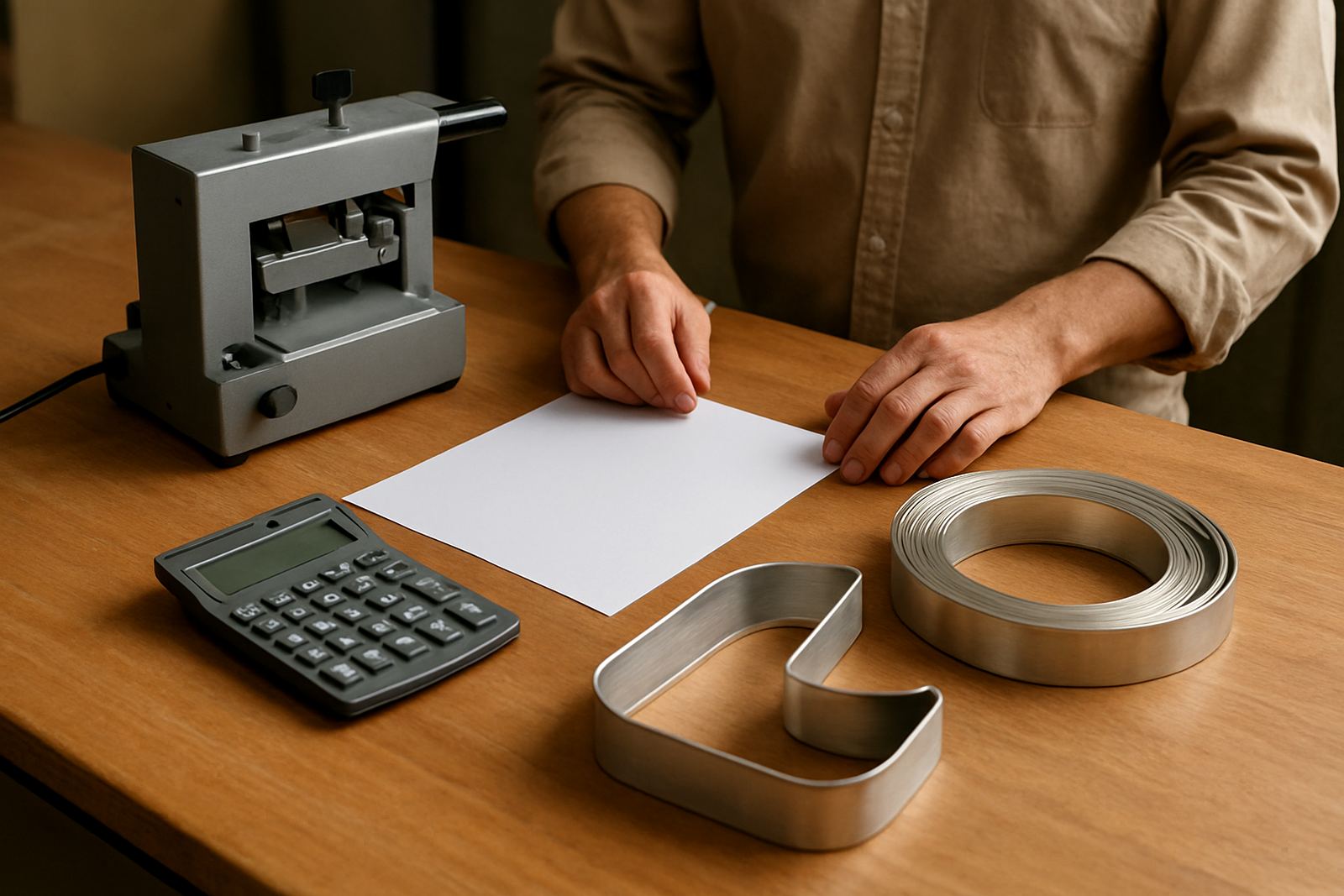
The first thing to lock down is the actual letter specification. A 300 mm high letter with a shallow return is a very different job from a 1,200 mm fascia letter with a deeper body, front face and internal lighting. If the quote starts with vague sizes, the margin usually disappears later when the sign is ready for install and the client asks why the price changed.
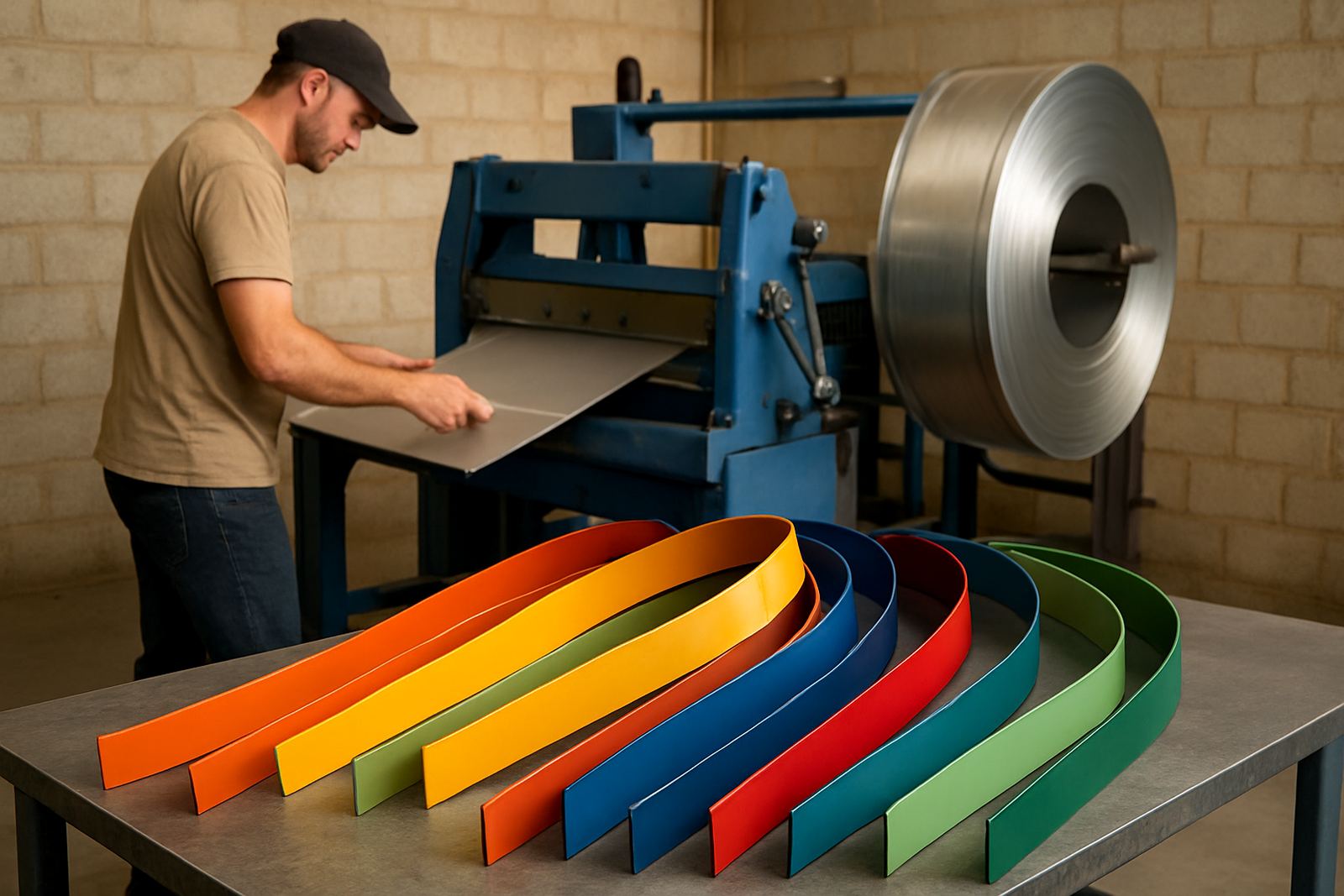
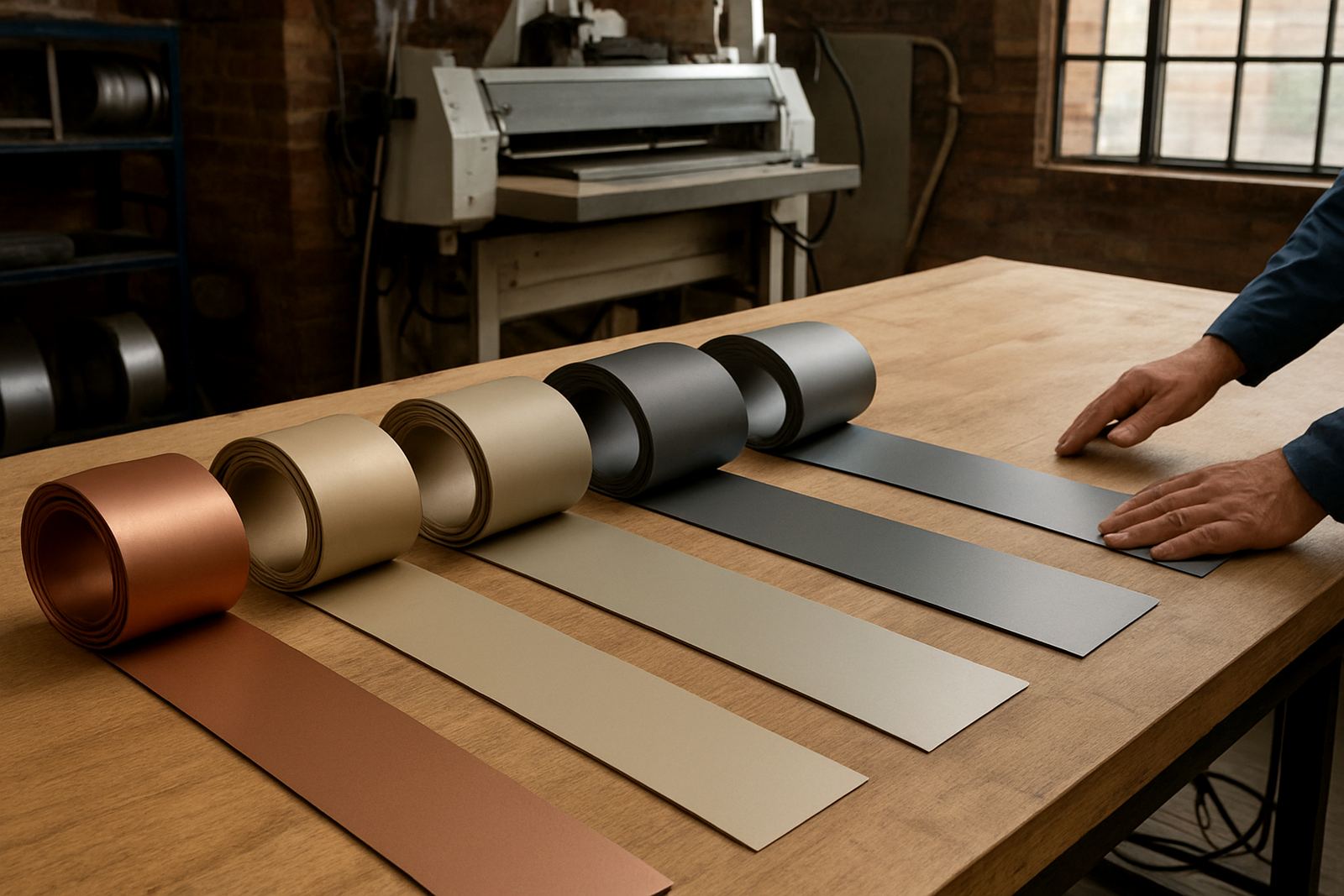
Sign makers should measure the full set of variables before pricing, including height, width, stroke thickness, depth, face type and whether the letters are open, illuminated or plain. Finish also matters. A brushed metal look, painted face, or clear acrylic front all carry different labour and material costs. On jobs with multiple identical letters, repetition can help with speed, but only if the machine setup and cutting path are planned properly.
- Overall letter height and width
- Return depth and metal thickness
- Face material and colour
- Illuminated or non illuminated construction
- Quantity of repeated letters or symbols
Material choice changes the quote more than people think
In South Africa, material selection has to account for climate, handling and service life. Inland jobs in places like Midrand or Pretoria may be exposed to sun and dust, while Durban sites deal with coastal humidity and corrosion. A letter set that looks fine on day one can become a problem if the wrong coil, return or fixing method is used.
When quoting, separate the raw material cost from the conversion cost. Coils, returns, face sheet, trims, backing and fixings should each be considered. Some jobs need heavier gauge metal for larger letters or for sites where wind load is a concern, especially on rooftop installs. If the sign will sit close to sea air, build in the cost of better protection and proper sealing, because repairs later are usually more expensive than doing it right first.
- Coil or sheet thickness
- Painted, raw or coated finish
- Indoor, outdoor or coastal exposure
- Fixing method and sealing materials
- Waste offcuts and setup loss
Machine time, labour and setup are part of the price
Many quotes go wrong because they only cover material and forget the time spent on bending, trimming, finishing and checking each letter. A clean fabricated letter needs accurate forming, and if the machine is not set correctly the return may need rework. That is time, not just metal. Add in handling, sorting, face preparation, edging and quality control before the first truck leaves the yard.
For smaller sign shops, the real cost is often hidden in stoppages. If power cuts interrupt a run, or if a machine needs adjustment because the material feeds badly, the job takes longer. It is fair to price for that reality. Include the operator's time, machine wear, scrap risk and any extra labour for finishing. This is where a proper production process protects your margin.
- Operator time and skill level
- Machine setup and test bends
- Finishing, trimming and cleaning
- Power interruptions and production delays
- Scrap, offcuts and rework allowance
Installation access can change the whole job cost
Some letter jobs are easy to fit on a low fascia with clear parking and a straightforward power point. Others need scaffolding, a cherry picker, after hours access or traffic control. If the site is in Sandton, a retail centre in East Rand, or a roadside location with tight access, the installation cost can quickly overtake the fabrication cost if it was not priced properly from the start.
Before quoting, check whether the install is ground level, on a parapet, above a shopfront, or high enough to need lifting equipment. Also confirm whether the client wants commissioning on the same day, and whether there is a separate electrical contractor involved. If the sign needs waterproof routing, municipal sign-off or landlord approval, that is part of the timeline and should be allowed for in the price.
- Height of the mounting point
- Access for ladders, lifts or scaffolding
- After hours or weekend install
- Electrical connection and testing
- Approvals, permits and site rules
Training and handover should not be given away for free
A fabricated letter system only earns its keep if the team that runs it knows how to use it well. When a client buys equipment for in house production, the quote should recognise operator training, setup guidance and a proper handover. A machine that is not understood gets blamed for poor output when the issue is actually poor use or poor material selection.
For sign makers in Midrand, Pretoria and Durban, a practical handover can save plenty of call-backs. Training should cover material feeding, basic checks, cleaning, safe shut-down, first response faults and how to keep production moving during load-shedding. If the machine is going into a busy workshop, include refresher training and remote tech help in the service plan. It is easier to protect output from day one than to fix repeated mistakes later.
- Operator training and refresher sessions
- Onsite commissioning
- Preventive servicing
- Breakdown support and spares supply
- Remote tech help for urgent production issues
A local quote example: Midrand to Durban is never the same job
Take a 24-letter shopfront order for a growing retail client. The letters are 600 mm high, outdoor rated and need installation on a busy frontage. In Midrand, you may have straightforward access, quicker turnaround and easier delivery. If the same order is headed for Durban, the pricing should reflect coastal exposure, possible corrosion protection, and any extra care needed during transport and storage before install.
That is why a practical quote should be built line by line. Start with the letter specification, add material choice, then machine time, finishing, delivery and install. After that, include the support that keeps the job running for the long term. A clear quote is not only better for the customer, it also protects the supplier from arguing over what was meant later on. In our experience, the cleanest jobs are the ones where the pricing matches the production plan from day one.
For sign makers who need support with fabrication equipment, installation planning or material selection, the safest approach is to price the full workflow, not just the visible metal on the wall.