
Why finished letters get damaged after production
Most damage happens after the cutting, bending and fixing work is already done. A clean letter can pick up marks while it is being stacked on a trolley, wrapped too tightly, or loaded together with tools and offcuts. On busy jobs, one shifted box can crush a return edge and send a whole set back for repair.
South African conditions make the risk worse. In Midrand and Pretoria, dust from yards and loading areas can settle on adhesive faces. In Durban, coastal humidity can soften some packing methods and make surfaces stick where they should not. On long trips to the West Rand or East Rand, vibration inside the bakkie or closed trailer can rub corners raw if each letter is not properly separated.
Set up a packing station before the first letter comes off the table
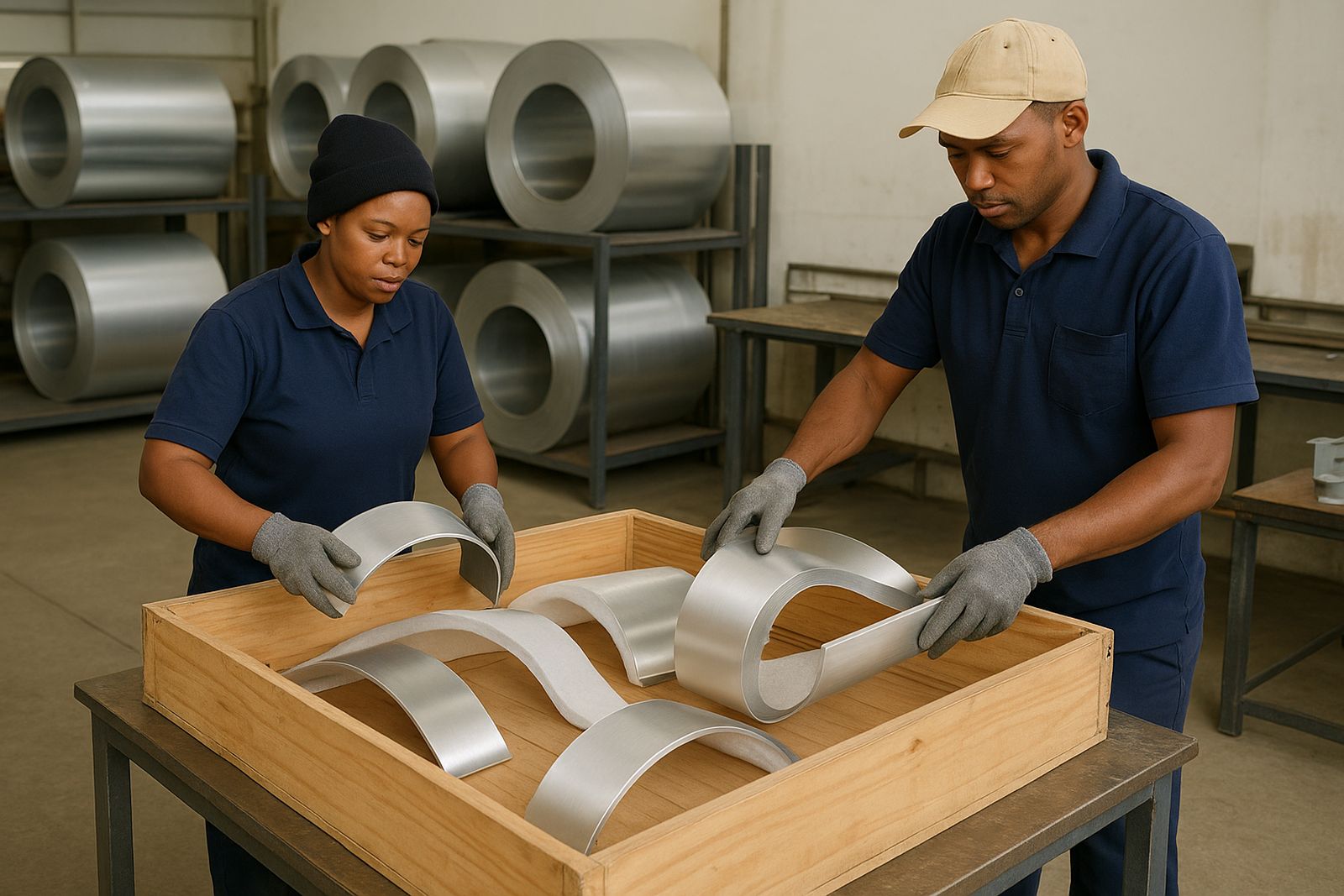
A good packing station saves time and prevents rush jobs. Keep it close to the finishing area so letters do not travel around the workshop before they are wrapped. The station should have a clean flat surface, soft separators, tape, labels, and clear spaces for small, medium, and large letters. If the floor is dusty or wet, even the best packing will not hold up well.
- Keep soft foam sheets or clean craft paper ready for face protection.
- Use corner protectors on larger letters and deep returns.
- Store finished pieces off the floor, never against a wall where they can bend.
- Label each set by job name, size, and installation date.
- Separate indoor work from outdoor work so dust and grit do not mix.
For sign makers in Sandton or Midrand working with high-end retail clients, simple order in the packing area often makes the biggest difference. It reduces handling, and every extra lift is a chance for damage.
How to stop scratches on faces and trim edges
Scratches usually come from direct contact, trapped grit, or wrapping film that moves during transport. Before packing, wipe each face clean with a soft, dry cloth. If the material carries dust from cutting or bending, remove it fully before any protective layer goes on. Never trap metal filings, rivet swarf, or sanding dust between the face and the wrap.
When face protection is needed, use a soft non-abrasive layer that will not react with the finish. Keep adhesive away from visible surfaces unless it is made for that application. If the letters have gloss faces, handle them with clean hands or gloves, because fingerprints can become a problem once the sun hits them at the site.
- Do not stack face-to-face without a separator.
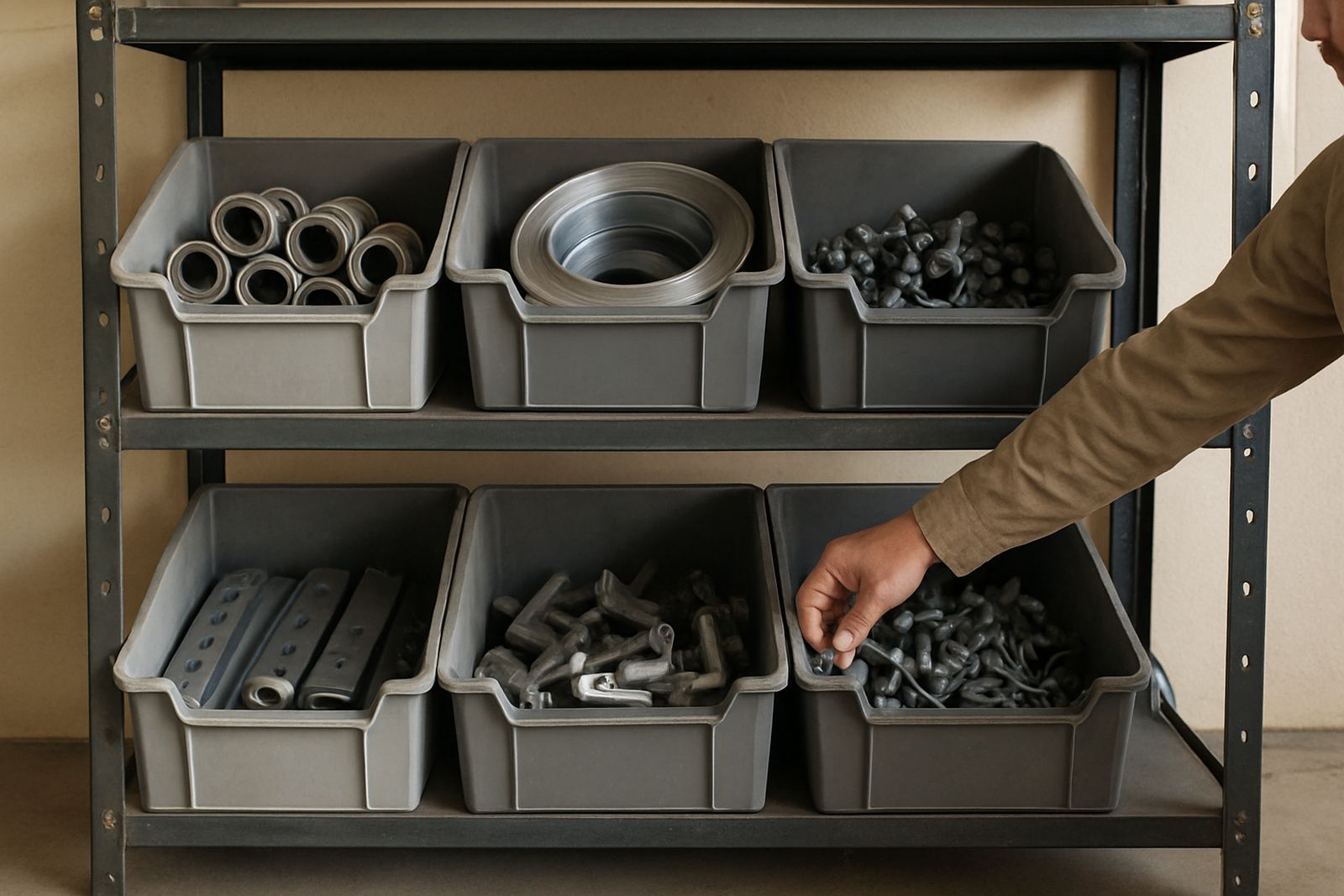
- Keep sharp tools and spare fasteners in a separate container.
- Use light pressure only when taping wrap around the outside box or crate.
- Check that no hidden screw tips or return edges can rub through packaging.
Prevent crushed returns during stacking and loading
Returns are usually the first part to fail when letters are stacked badly. A crushed return can twist the whole shape, which means extra labour and delays for the installer. The safest method is to store letters upright in a crate or rack with enough spacing so the returns do not carry the weight of another piece. If letters must be stacked, place the heavier sizes at the bottom and use rigid dividers between each layer.
For site work in places like Pretoria CBD or busy industrial yards around the East Rand, loading should be planned before the truck arrives. That means knowing which letters go first, which pieces are fragile, and what needs to stay upright. It also means protecting the set from shifting during sudden braking, which is common on Gauteng roads.
- Use rigid board or foam between layers to keep load pressure off the returns.
- Never let poles, ladders or toolboxes rest on finished letters.
- Check tie-downs before leaving the workshop and after the first few kilometres.
- Keep large letters near the cab where movement is less severe.
Transport methods that suit local roads and weather
Transport should match the job, not just the vehicle available that day. A short run to Sandton is not the same as a full-day route from Midrand to Durban. On longer trips, packed letters should be secured so they do not slide when roads get rough or when the driver brakes suddenly in traffic. A closed vehicle is often better than an open loadbed because it keeps off rain, road dust and sun.
Coastal humidity can also cause trouble where materials are packed too tightly. If moisture gets trapped inside the wrap, surfaces may mark or corrode at the edges. Allow dry ventilation where suitable and keep cartons off the floor. If rain is likely, check the seals and outer protection before loading out, especially for outdoor signs that will go straight onto a municipal building or retail frontage.
Handing over to installers without damage on site
The final handover needs the same care as packing. The installation team should know which side faces out, where the fixing points are, and which letters must be lifted by two people. A rushed on-site unpack can undo all the workshop work in minutes. Keep knives, screwdrivers and drills away from the finished face while unpacking, and remove any protection only when the letter is ready to be fitted.
When Channel Letter supports sign makers with onsite commissioning, installation planning and remote tech help, one point comes up again and again: the handover process must be simple enough for the whole crew to follow. That includes the driver, the installer, and anyone helping on the site. A clear process lowers breakage, cuts rework and keeps the job moving even when load-shedding changes the day’s schedule.
- Unpack in a clean area close to the final fixing position.
- Check each letter against the job list before mounting.
- Keep spare fixings and touch-up items ready, but separate from the face.
- If a piece shows damage, set it aside immediately instead of forcing the install.
A practical Midrand example that saves a full remake
A retail sign crew in Midrand once packed a set of polished letters for a store fit-out in Durban. The first packing method used tight wrap and mixed the letters with fixings and cable offcuts. By the time the load arrived, two returns were crushed and three faces had surface marks. The job had to wait while replacements were made, and the installer lost a day on site.
After that, the crew changed to upright storage, soft separators, clear labels and a loading list. The next shipment left the workshop in far better shape, and the install went ahead without repair work. It was not a big change, just better handling from start to finish. For small shops and larger production houses alike, that is usually the difference between a clean handover and another costly return trip.
If your team needs help with material selection, spares supply, refresher training or breakdown support, a proper packing method is part of the same conversation. Protecting finished letters starts long before the truck leaves the yard.