
Why channel letters change the earning mix
Many small sign shops start with vinyl, boards, printed panels and basic fabrication. That work keeps the wheels turning, but the margin can be tight and the jobs often compete on price. Channel letters shift the mix. They let a sign maker move into a product that looks premium, lasts longer outdoors and can be sold with better labour value.
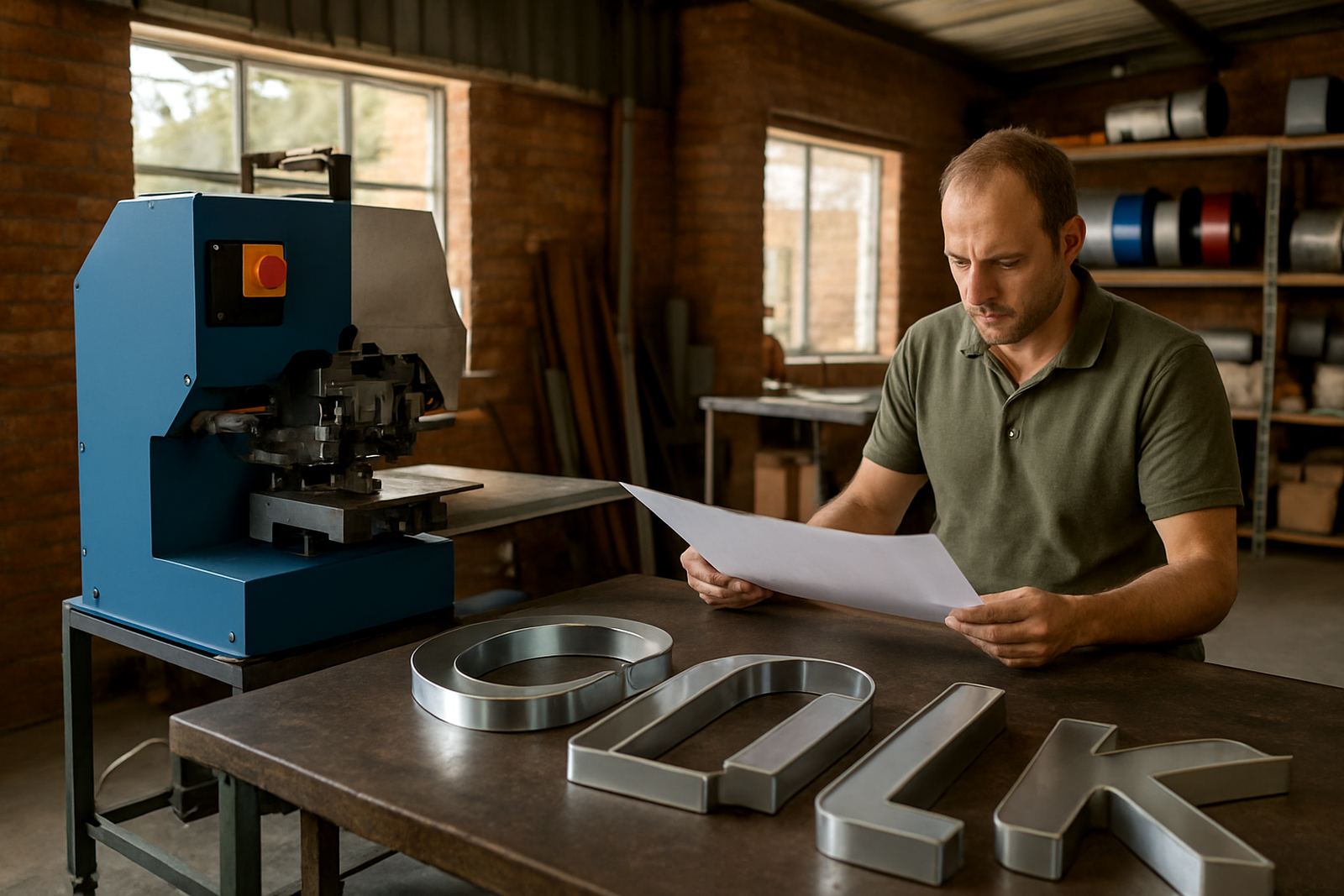
In practical terms, a shop that can bend returns, fit acrylic faces and assemble neat illuminated letters is no longer limited to flat signs and simple panels. It can quote for shopfronts, forecourts, office buildings, medical practices and retail rollouts. That opens more revenue lines without needing a massive yard or a big team.
For smaller businesses in Midrand, Sandton or Pretoria, this matters because customers want one supplier who can handle both the making and the install. If your shop can do the channel-letter fabrication properly, you are in the conversation for jobs that would otherwise go to larger manufacturers.
Start with the right jobs, not every job
A common mistake is trying to take on every type of signage from day one. A small shop grows faster when it chooses the jobs it can deliver cleanly and profitably. Start with straightforward channel-letter work such as front-lit letters, simple box letters and smaller illuminated logos. These build skills without putting the business under pressure.
Once the team is comfortable with measuring, bending, trimming and assembling, you can move into more detailed profiles and larger runs. The point is not to look busy for the sake of it. The point is to build a reliable production system that can be repeated. That is what turns one good order into a stream of orders.
- Begin with letter sets that use standard sizes and repeatable shapes
- Keep a clear method for templating, marking and checking each return
- Track material use carefully so scrap does not eat the margin
- Only accept install dates you can meet, especially with load-shedding delays
What a small shop needs on the floor
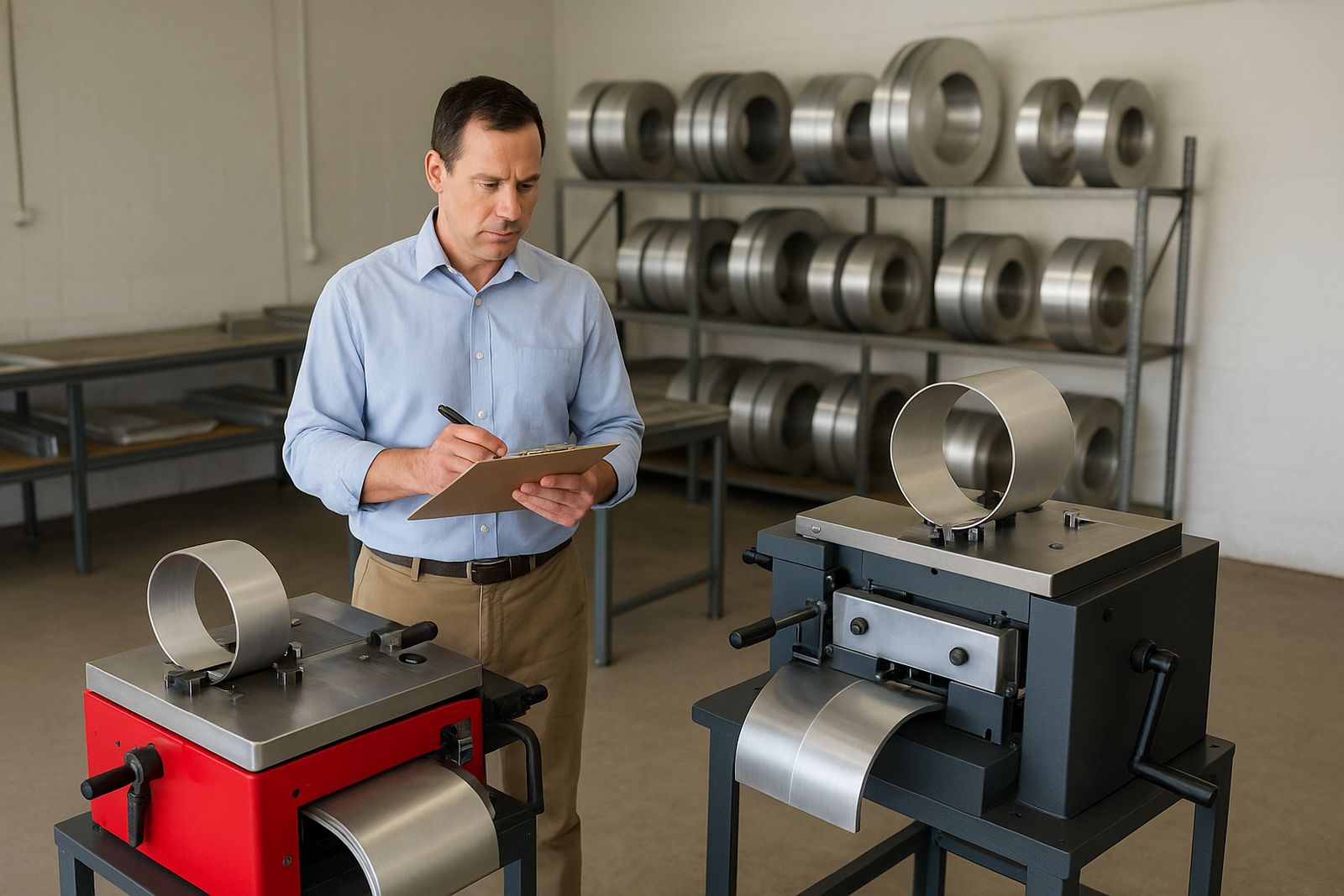
Channel-letter production does not require a giant factory, but it does need order. A small shop should have a clean cutting area, enough bench space for assembly, safe storage for coils and returns, and a stable power plan. In Gauteng, power interruptions can disrupt a day quickly, so businesses need to plan for battery backup, generator time or schedules that work around outages.
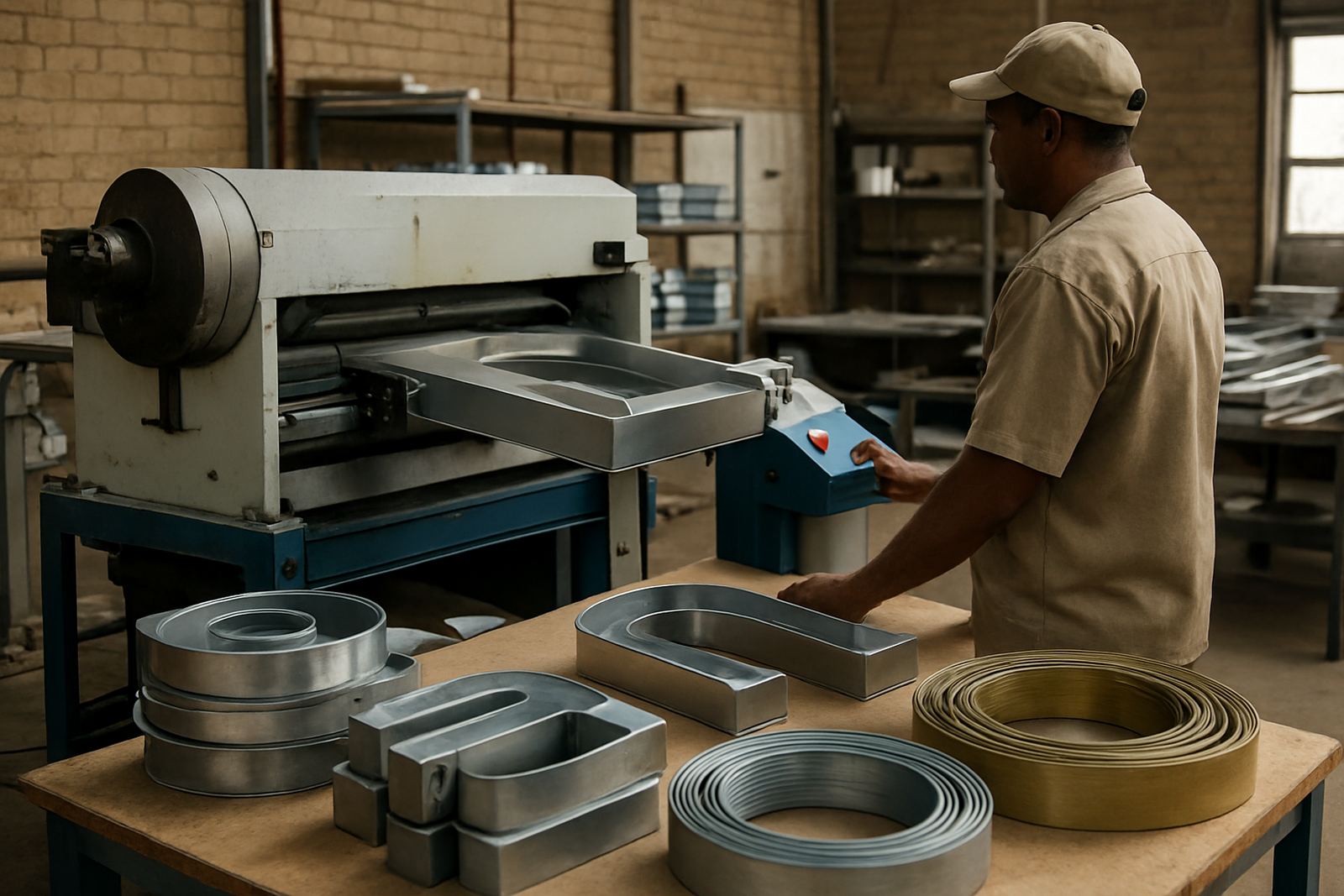
Tools and machines should match the workload. If the team is hand-making every return on a one-off basis, the process can become slow and inconsistent. A proper bending setup gives more repeatable results and helps with straight edges, sharp corners and neat finishes. That consistency matters when you are fitting letters on a busy road in Durban or a windy site in the East Rand, where poor workmanship shows up fast.
Storage also matters. Coils and returns need to be kept dry and organised, especially in coastal humidity. Rust, dust and bent stock cost time later. Many small businesses overlook this and then lose hours fixing avoidable problems during production.
- Dry storage for coils, returns and acrylic sheets
- Measured benches with clear marking lines
- Basic electrical backup for short outages
- Safe packing space for ready-to-install work
Training turns a machine into income
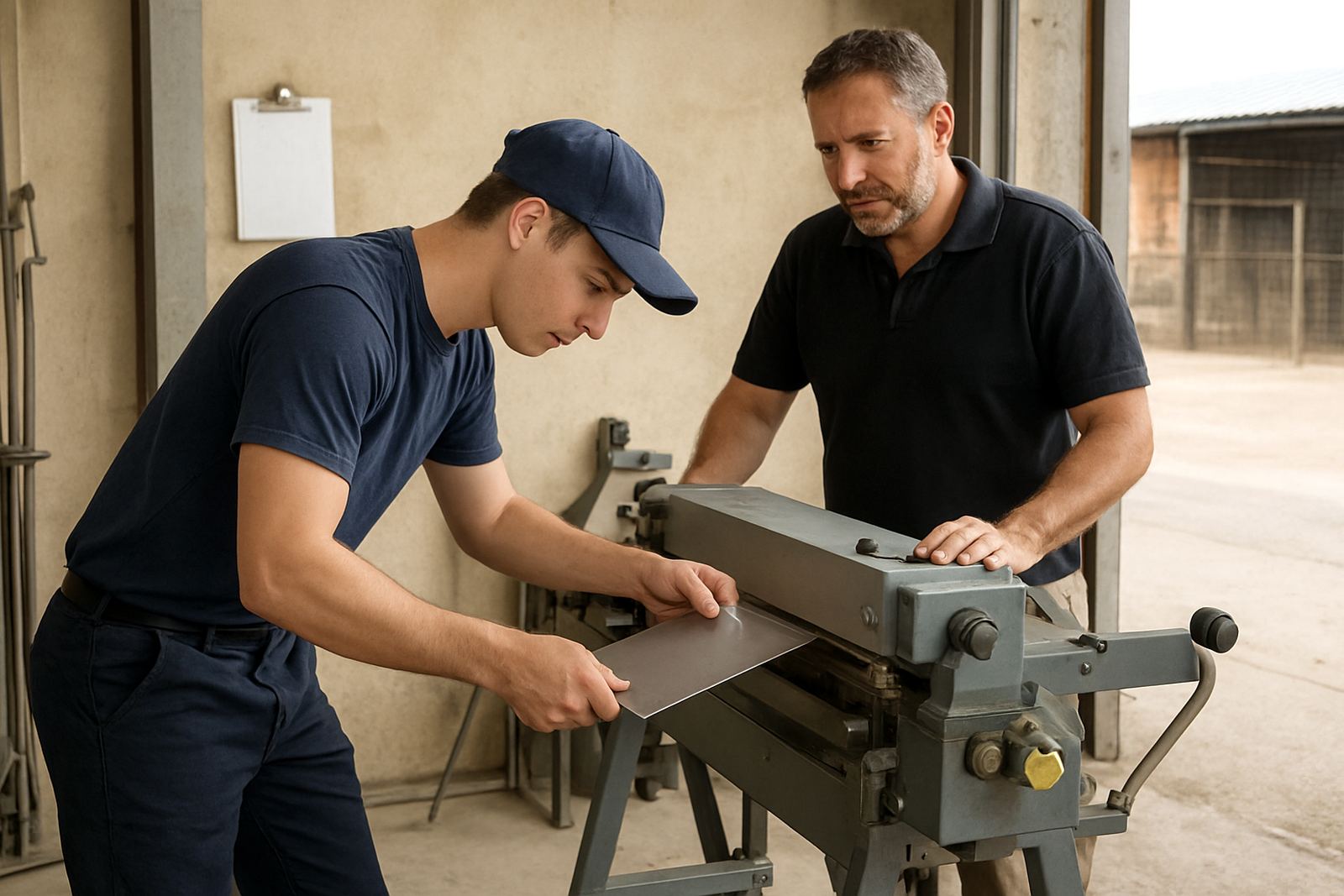
Buying the equipment is only the first step. A shop sees real growth when the operators know how to use it properly, read drawings, choose the right material and avoid rework. That is where operator training, onsite commissioning and refresher training pay off. One trained person can save many hours of wasted stock and damaged returns.
Training should cover the full process, not only the machine buttons. Staff need to understand how to read letter heights, allow for fitting clearances, select material for indoor or outdoor use, and work safely around sharp edges and electrical components. They also need to know what to do when the machine gives uneven bends or when a job site changes at the last minute.
For small teams, one strong technical leader can make a big difference. When a production team gets proper coaching, the business can quote with more confidence and take on work that used to feel too risky. That is how a modest shop in West Rand or Midrand starts competing with much larger operations.
A local example: from flat signs to higher-value letters
Consider a small sign maker working from a light industrial unit in Midrand. The business had a steady stream of panels, vinyl application and vehicle markings, but growth had flattened. Jobs were coming in, yet the margin on each order stayed tight. The owner started adding channel-letter capability for small shopfronts and office reception signs, first with simple sets and later with more detailed projects.
At first the team handled a few letters per week. Then local electricians, shopfitters and property managers began asking for quotes. Because the shop could produce the letters in-house and manage installation planning, it won more repeat work in Sandton and Pretoria. The result was not magic, just a better product range and a tighter process.
That kind of progress is realistic for many small businesses. You do not need to chase massive mall rollouts straight away. A handful of well-made signs for salons, pharmacies, franchise branches and factory entrances can build a stronger month than several low-margin flat jobs. The important thing is to deliver on time and keep the finish consistent.
Planning installs nationwide without losing control
Many sign makers want to grow beyond their home town, but nationwide installs need planning. The more a business expands, the more it must think about packing, transport, site access, lift requirements and aftercare. A strong install plan protects the product and protects the reputation of the shop.
For jobs in Durban, for example, coastal weather can affect timing and handling. In Pretoria or the West Rand, access rules and building schedules can slow things down. Good planning means checking measurements, fixing points, power supply and sign-off requirements before production starts. It also means knowing when to send a technical person and when remote tech help is enough.
A small shop that adds this discipline can handle jobs far outside its original area. With breakdown support, spares supply and preventive servicing, the same business can keep older installs in working order and build a maintenance line alongside new production. That is where the long-term value sits.
If a developing sign business wants more than busy work, channel letters are a strong next step. The product is saleable, the skills are learnable, and the growth path is clear when the process is set up properly.