
Why service intervals matter more than waiting for a fault
A machine that still powers on can still be out of tolerance. Small changes in feed speed, bend accuracy, cutter wear, or coil tension do not always stop production straight away, but they do show up in wasted material and rework. For sign makers, that is where the real cost sits. One missed bend can knock out an entire return, and one tired drive component can slow the whole shift.
Good service intervals help you keep output predictable. They also make it easier to plan around municipal working hours, delivery lead times, and load-shedding. When a workshop knows the machine will be checked every set number of months or production hours, it can schedule orders with far less guesswork. In practice, that means fewer rushed callouts and fewer late-night fixes.
At a Midrand base serving Gauteng and beyond, the pattern is easy to see: the shops that keep to a service calendar tend to finish jobs cleaner and with less stoppage. The ones that wait until the machine sounds different often end up losing a day or more while parts are checked and settings are brought back in line.
Set the interval around use, not just the calendar
There is no single service period that suits every workshop. A business running short runs for local signage in Sandton will not wear the same way as a high-volume operation feeding multiple installers in Pretoria and the East Rand. Service timing should be based on output, material mix, and the condition of the machine itself.
A practical way to think about it is in three layers:
- Daily checks by the operator before production starts
- Monthly or quarterly inspections depending on workload
- Full preventive servicing at a set production milestone or once a year
Daily checks can be simple: look for unusual noise, confirm material feeds freely, inspect the cutting path, and make sure coils are stored dry and straight. Monthly checks go deeper, with attention to alignment, wear points, cable condition, and any sign of dust build-up. Annual servicing is where timing, calibration, and replacement of worn parts are handled properly.
For workshops near the coast, especially Durban, humidity can change the picture. Coil stock can shift, corrosion can appear faster, and electrical cabinets need closer attention. Inland, dust and vibration are usually the bigger issue. The interval must suit the site, not a generic rule written on a wall.
What a proper service should cover
A proper service is more than a quick wipe-down and a test bend. The aim is to keep the machine producing correct returns with the least strain on the parts. If the machine is used for long shifts, or if operators change often, this becomes even more important because small setting errors creep in faster.
Typical service work should include:
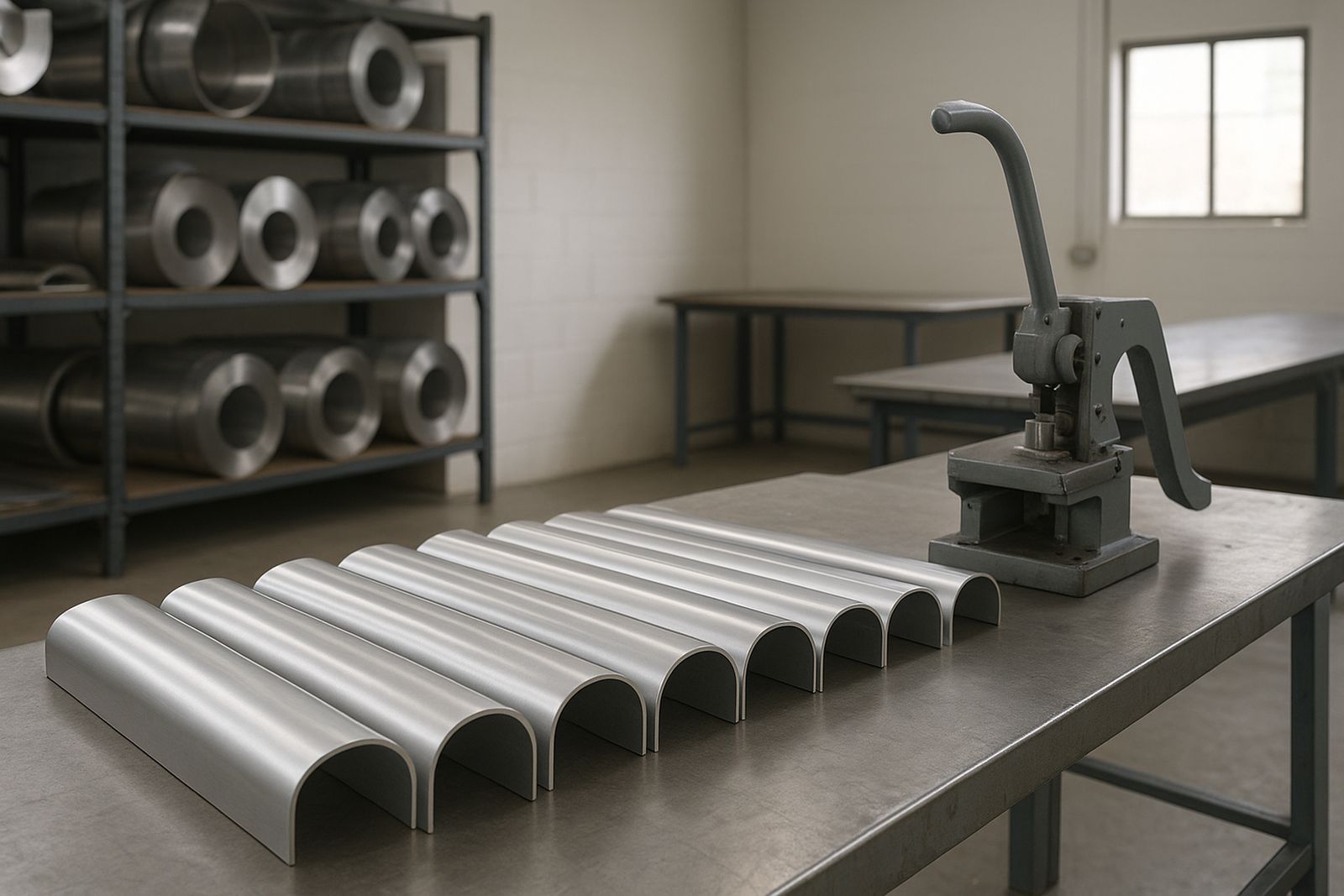
- Checking rollers, guides, cutters, and bending components for wear
- Testing feed accuracy and repeatability on common sign sizes
- Inspecting electrical connections and control components
- Cleaning dust and offcuts from moving areas and enclosures
- Confirming software settings, presets, and operator profiles
- Reviewing stock condition for coils and returns material
If a workshop has had power interruptions, the machine should be checked sooner. Sudden shutdowns can upset settings and, in some cases, damage a component that was already under strain. It is better to verify the machine than assume it came through unscathed. A short inspection after unstable supply can prevent a longer stoppage later.
How service timing protects production consistency
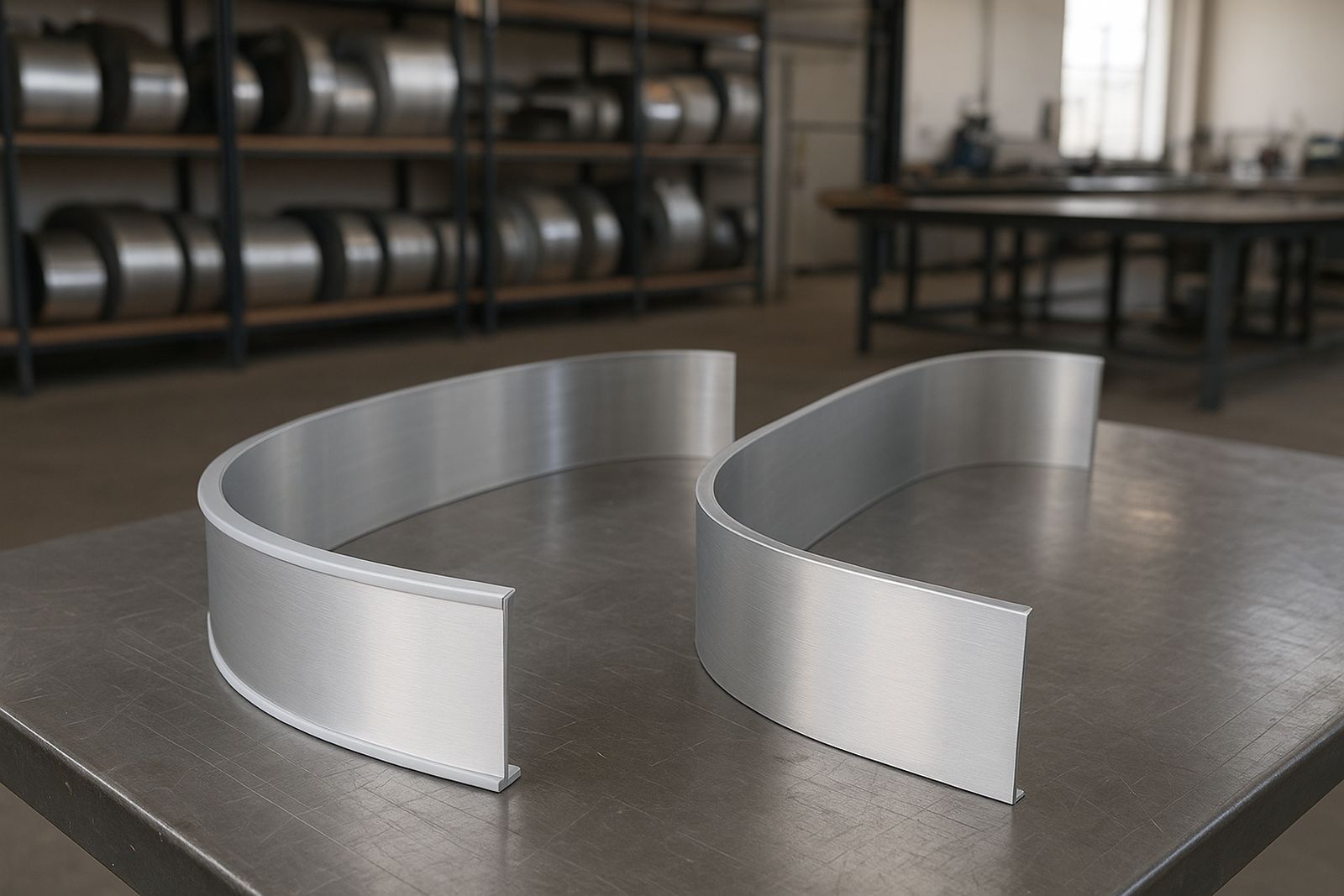
Consistency is what clients notice. A sign that looks perfect on the first panel but drifts on the third panel creates extra work in finishing and fitting. When bend depth, coil feed, and cut length stay steady, the workshop can produce matching sections with less rework. That saves time on the bench and reduces scrap.
Service intervals also support staff training. When the machine is kept in spec, training becomes cleaner because operators learn on stable equipment. If the machine changes from week to week, every new person has to compensate for a fault that should have been corrected earlier. That slows the team and can make a good operator look inconsistent.
In practical terms, regular servicing gives you:
- Better repeat accuracy on the same job size
- Less wasted coil stock and fewer rejected pieces
- Shorter setup times between jobs
- More predictable labour planning
- Lower risk of sudden stoppages during urgent work
For a shop in Midrand handling both local work and nationwide installations, this matters a lot. A machine that holds its setting means jobs can move through the workshop without constant checking, and installers can leave with parts that fit as expected.
Signs that the interval is too long
Most workshops know something is wrong before the machine fully stops. The mistake is often waiting too long because the line is still moving. Watch for drift in output, not just obvious failure. If you are adjusting settings more often than usual, the machine is trying to tell you that service timing has slipped.
Common warning signs include unusual vibration, inconsistent bends, slow response at start-up, rising scrap, and operators making the same correction over and over. Another clue is when one staff member gets better results than the rest on the same machine. That usually points to a tolerance issue or worn parts, not operator skill alone.
Use these questions as a quick test:
- Has the machine needed more manual correction in the past month?
- Are returns coming out slightly different from the first piece to the last?
- Has servicing been delayed because the workshop was too busy?
- Have you changed material type, coil supplier, or production volume recently?
If the answer to more than one of those is yes, the service interval is probably too long for the current workload. Adjust it before the fault becomes a stoppage.
A local schedule that works for real workshops
For many South African sign shops, a simple schedule is the easiest to maintain. Keep it visible, assign one person to track it, and link it to production volume rather than memory. In a busy month, memory fails first.
A workable model for many Midrand, Pretoria, and East Rand workshops is this: daily operator checks, a monthly internal inspection, quarterly condition review, and a full preventive service once a year or sooner if production is heavy. Durban sites may need shorter inspection cycles because humidity and storage conditions can affect both machine parts and materials.
It also helps to tie service intervals to stock management. If you are about to receive a batch of coil material, or you are planning a high-volume run for multiple installs, have the machine checked beforehand. That way any adjustment or part replacement happens before the rush. The same approach applies before a project that must clear municipal sign-off or fit into a fixed installation window.
Good service timing is not about spending money often. It is about spending it before a breakdown costs you more. That is the difference between planned maintenance and a lost week in the workshop.
When to bring in support rather than stretch the schedule
Some servicing tasks can be planned internally, but there are times when outside help makes more sense. If the machine is showing repeat faults after cleaning and adjustment, if the bends are out over several jobs, or if you have replaced a part and the issue remains, do not wait for the next interval. Commissioning checks, remote tech help, and onsite support can save a lot of trial and error.
It is also wise to call for help after a major move, a long power outage, or a change in production method. A workshop that adds a new operator or starts handling larger coils may need the service interval reset. The right timing keeps the machine honest and the production line moving.
In this trade, timing is part of quality. A machine serviced on time gives you better output, steadier labour use, and fewer surprises when a client is waiting. That is what a good service interval is for.