
How dispatch is arranged from our Midrand base
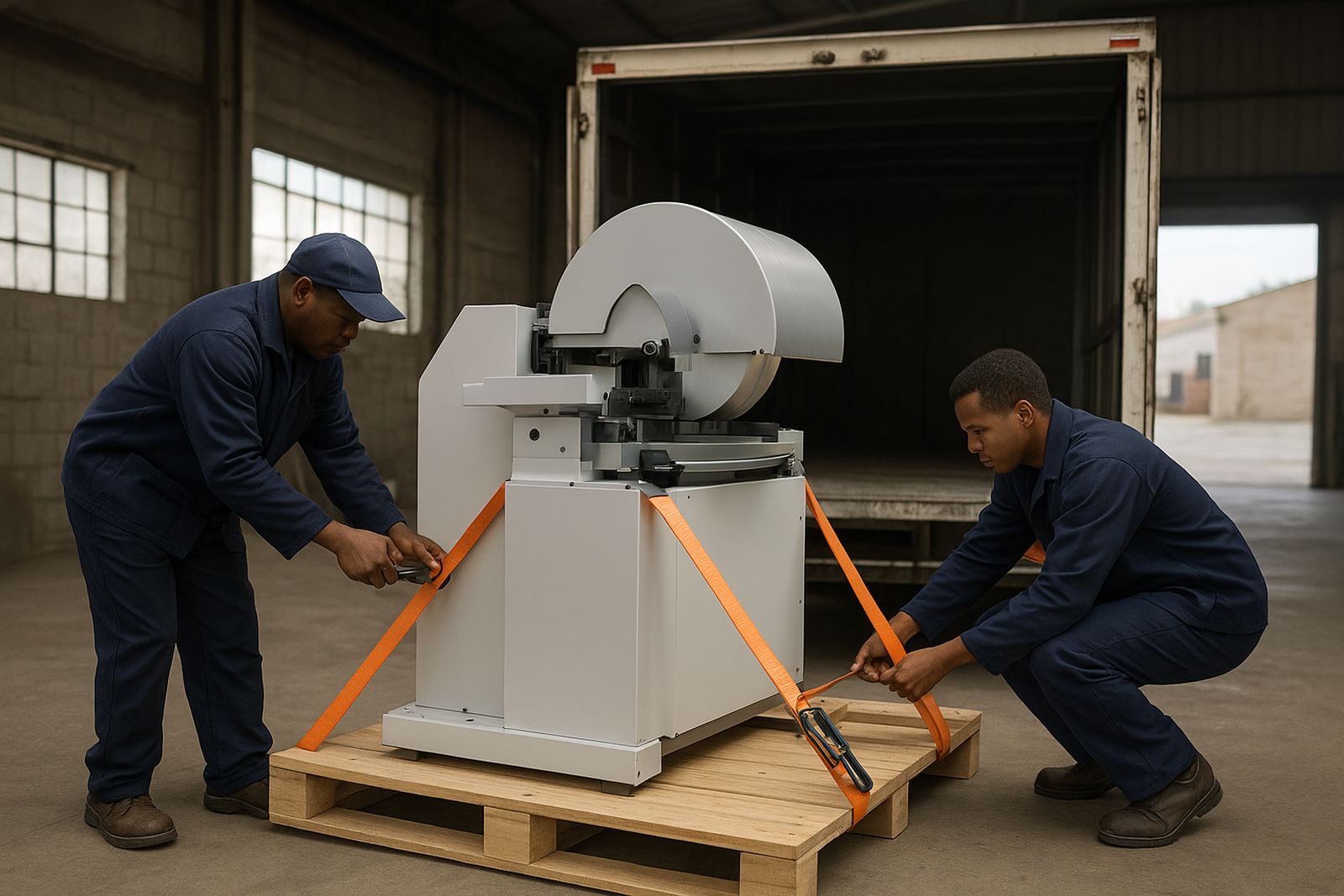
Orders are prepared from our Midrand base and dispatched once stock, payment, and site details are confirmed. For machine deliveries, coils, returns and related items, we check packing needs carefully because many sign-making goods need protection against bends, dust and handling damage during transport. This matters even more when goods are going to Durban, coastal areas, or busy production sites where forklifts and tight receiving times can slow things down.
We use the information you give us to decide whether a delivery can move by road freight, dedicated transport, or collection. If you are in Sandton, Pretoria, the East Rand or West Rand, local delivery can often be arranged faster than long-distance consignments. For larger machines or items that need offloading assistance, we will ask about dock height, ramp access, and whether a forklift is available on site.
- Confirm the items, quantities and preferred delivery window
- Send full site details with contact names and phone numbers
- Let us know if there are stairs, narrow gates or height restrictions
- Tell us if the receiving point has loading bay access or security checks
Access requirements for machines and site deliveries
Channel-letter bending machines are precise pieces of equipment and they need the right access from vehicle to final position. Before delivery, we ask a few practical questions so the driver or installer arrives prepared. If there are stairs, underground parking, low ceilings, weight limits, or limited turning space, say so early. It saves time and avoids damage to goods, walls, and floors.
In industrial areas around Midrand, Pretoria and the East Rand, sites often have clear delivery bays but strict security rules. In smaller workshops or retail parks, parking may be tight and the entrance may only suit a light truck. Coastal humidity in places like Durban can also affect stored coils and returns, so we advise on dry storage once the goods arrive. If your site runs on generator or inverter power due to load-shedding, tell us before commissioning so our technical team can plan accordingly.
- Measure the entry width, gate height and internal route to the install point
- Check power supply position, voltage and breaker capacity
- Make sure the floor area is level and free from loose material
- Arrange an authorised person to receive, sign, and inspect the delivery
Nationwide install coordination and timing
We coordinate installations for sign makers across South Africa, and the delivery plan is linked to the install date wherever possible. That means the machine, coils, returns and any spares needed for setup are scheduled together. It reduces waiting time on site and keeps your crew moving from unpacking to production with less stop-start work.
For installs in Pretoria, Sandton, Durban and other major centres, we can usually align commissioning more tightly because travel time is easier to manage. For outlying towns, we build in enough time for road conditions, security procedures and any access limitations. If your workshop is still being fitted out, we can split the delivery and install into stages, which is useful when power points, extractors, or benches are not yet in place.
- Share your target production start date as early as possible
- Confirm whether delivery and installation must happen on the same day
- Tell us if other trades will be on site at the same time
- Allow for testing and training after commissioning
Receiving checks when the goods arrive
When your delivery reaches you, inspect the packaging before signing if possible. Look for crushed corners, punctures, oil marks, and signs of movement during transit. If the carton or crate looks damaged, note it on the paperwork and take photos immediately. This gives us a clean record and helps us sort out any follow-up.
For coils and returns, check the dimensions, colour and finish against your order and store them flat or upright as advised. For machines, keep the crate materials until the unit is fully installed and tested. If anything does not match the order, or if a part is missing, contact our support team straight away so we can check the dispatch record and advise next steps.
- Count the packages before signing
- Compare labels to the invoice or delivery note
- Photograph any visible damage before unpacking
- Keep all packaging until the order is confirmed complete
What happens on installation and commissioning day
On the day of installation, our team checks the site access, positions the machine, and works through the commissioning process step by step. This includes power-up checks, alignment, test runs, and basic operator familiarisation. If your team has already done production coaching or refresher training, the handover is usually quicker because your operators know the controls and the workflow.
We also confirm where spares, consumables, and tools will be stored. For workshops that run on tight schedules, a simple storage plan helps avoid delays when you need a replacement part at short notice. If the machine is going into a production line with other equipment, we can advise on spacing, cable routing, and safe operator movement so the area works properly from day one.
After delivery support and follow-up
Delivery is only part of the job. If you need help after the goods arrive, our team can assist with preventive servicing, breakdown support, remote tech help, spares supply, and production coaching. This is especially useful if your workshop is in a high-volume period or if load-shedding interrupts normal production and you need to restart smoothly once power returns.
For urgent support, send us the order number, a clear description of the issue, and photos or a short video if available. That helps the technical team diagnose the problem. Whether you are based in Midrand, the East Rand, West Rand, Pretoria, Sandton, or Durban, we keep communication direct so you know what is happening and what to expect next.