Which machine suits my sign-workshop output?
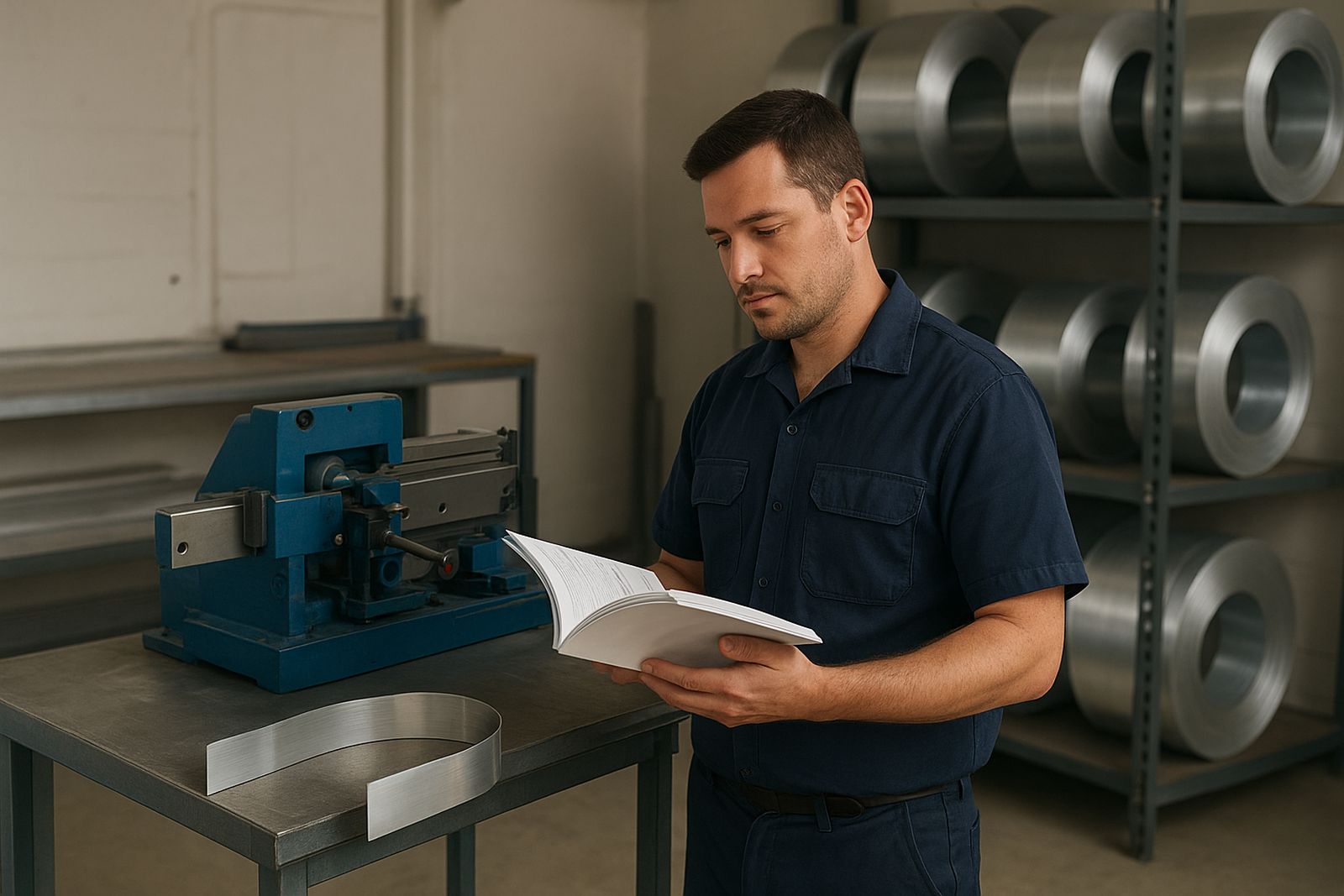
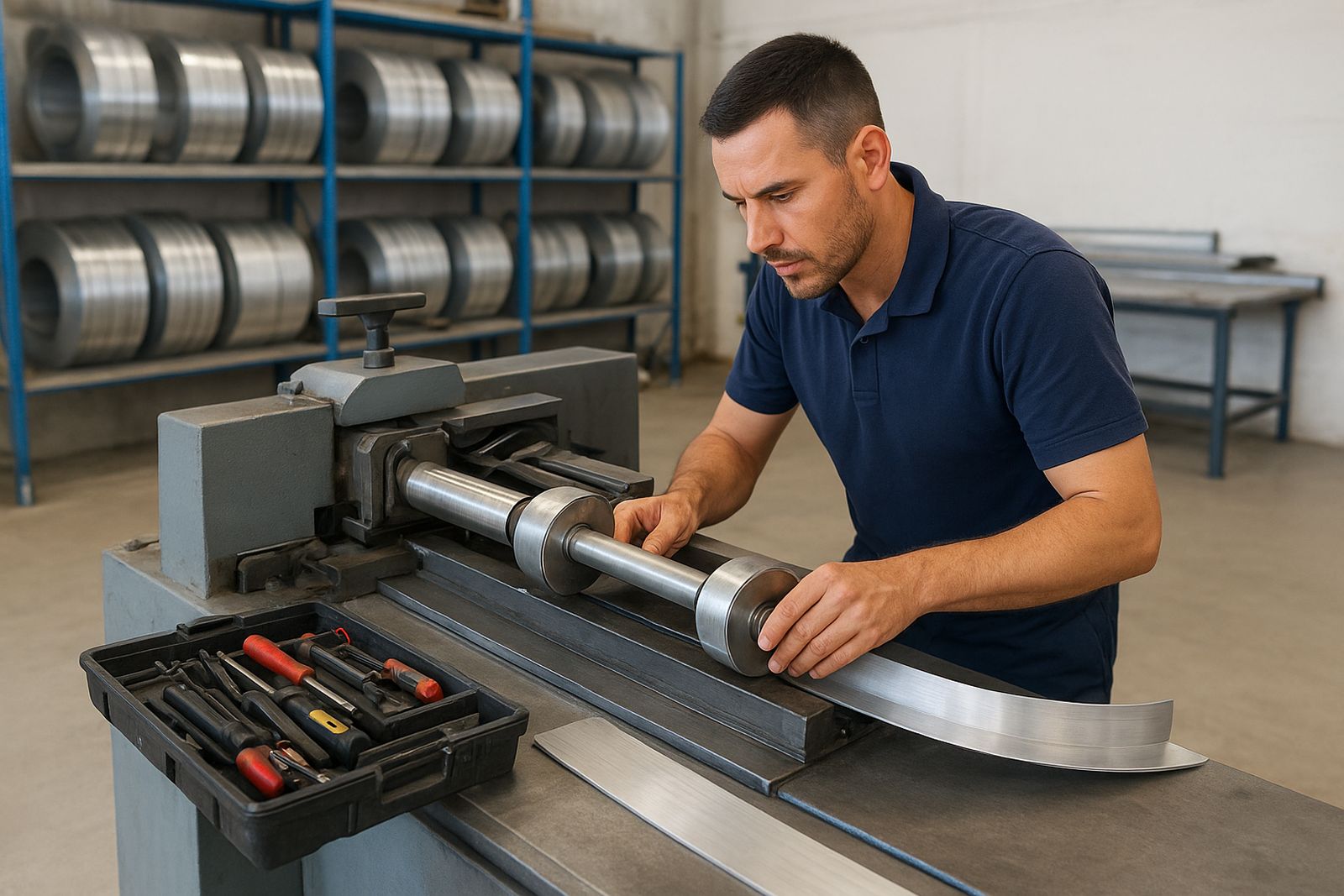
The right machine depends on the size of letters you produce, the metals you bend, and how many jobs you run in a typical week. A smaller workshop in Midrand or Sandton may need a compact unit for low to medium volume, while a busy fabricator serving Pretoria, Durban or the East Rand often needs faster repeatable output with fewer manual corrections.
When we help you choose, we look at coil width, return height, material thickness and the space you have for loading, trimming and finishing. That saves time later because the machine must match your daily work, not just the sample piece on the table.
- Share the letter sizes you cut most often.
- Tell us your preferred material types and thicknesses.
- Confirm whether you need single shifts or extended production hours.
What materials can I use for channel letters?
Most sign makers work with aluminium coil and suitable return stock for folded letter sides. The material choice affects edge finish, forming speed and how well the sign holds up in coastal humidity, heavy rain and heat. For Durban, Richards Bay and other humid areas, corrosion resistance becomes especially important.
We help you match the material to the job so the face, return and fixing method all work together. If you are doing outdoor branding for shopping centres or roadside sites, it is worth checking municipal requirements for size, lighting and mounting before production starts.
- Use the correct coil width for the letter depth.
- Check thickness before a long run to avoid waste.
- Store materials dry and off the floor.
How do installs and commissioning work?
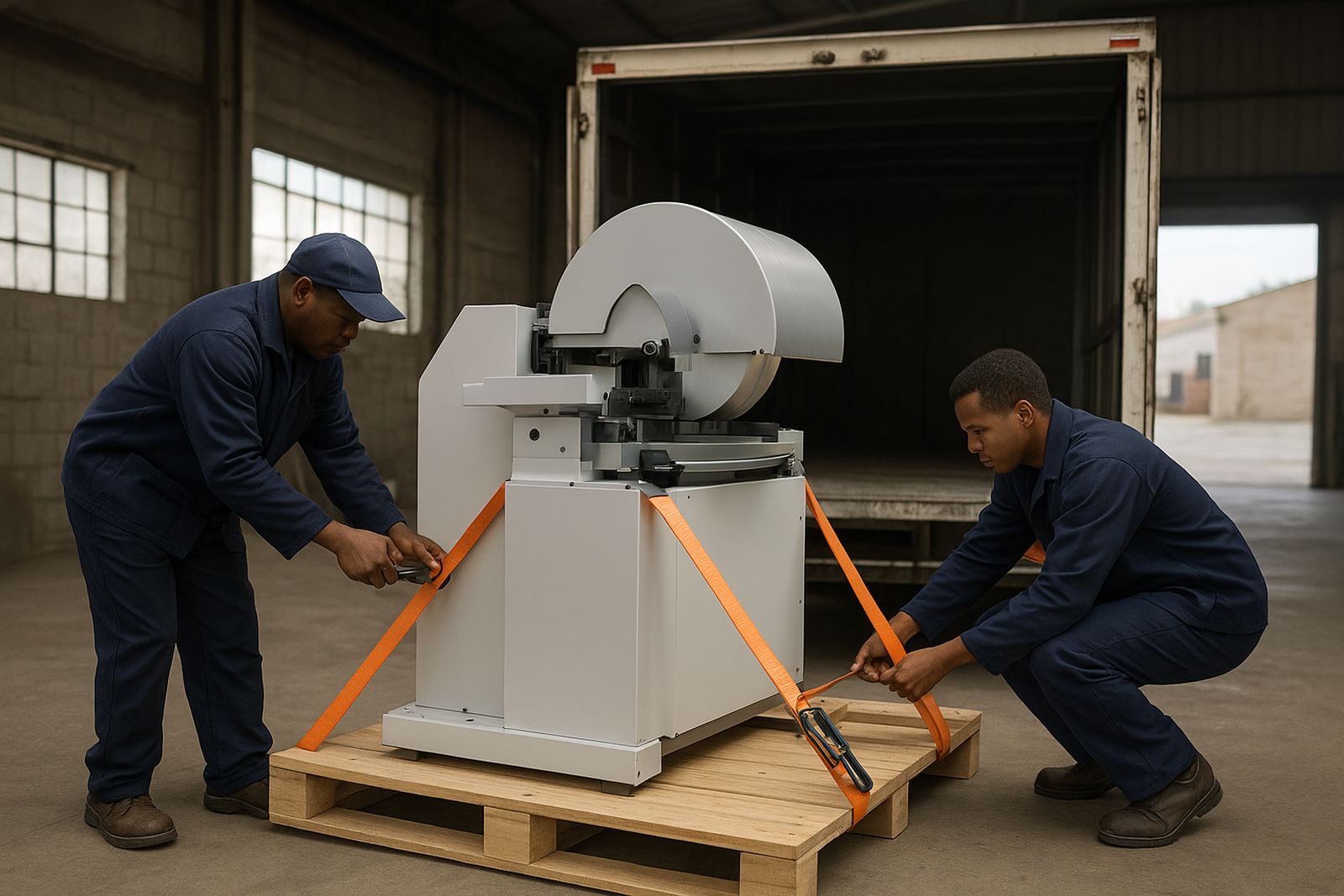
For new machines, our process starts with site prep, machine placement and power checks. We then handle commissioning, test bends and alignment checks so your team can begin production with confidence. If the site is in a tighter industrial unit, we also look at access for loading and safe operator movement.
Where needed, we assist with installation planning before delivery. That includes space layout, power supply questions, and practical advice for workshops that must keep operating during load-shedding or generator use. The goal is to reduce downtime and avoid last-minute changes on the floor.
- Confirm floor space and access routes before delivery.
- Prepare stable power and backup power if your area is affected by outages.
- Keep the first test materials on site for setup and checks.
Do you train new operators and existing teams?
Yes. We provide operator training, refresher training and production coaching for teams that need a steadier output. New staff often need help with machine setup, measuring returns, handling coils and checking finished parts before the next stage. Experienced staff may only need a short refresher to tighten up consistency.
Training is practical and suited to the pace of South African sign shops, where one person may shift between machine work, trimming and assembly in the same day. Mamello Zwane coordinates the training side, and we keep the sessions focused on the actual jobs you make.
- Basic machine use and safety checks.
- Material handling and correct feeding.
- Fault spotting before a job goes off spec.
What support do I get after the machine is running?
After commissioning, we stay available for remote tech help, breakdown support, preventive servicing and spares supply. If your machine starts giving uneven bends, feeding trouble or timing issues, we first try to narrow down the cause with you by phone or message. That often saves a site visit and gets production moving again faster.
Yaseen Gamieldien oversees operations and Desigan Soobramoney manages installations, so support stays practical and hands-on. In a busy workshop, a small delay can affect several jobs, so we treat after-sales support as part of the job, not an extra. Some clients also book scheduled checks before the peak season to avoid surprise stoppages.
- Keep a record of fault codes, sounds or repeat issues.
- Service before peak production periods if your calendar is full.
- Order spares early if you are running long shifts.
How should I choose coils, returns and spares?
Material selection matters just as much as the machine itself. If the coil is too thin for the job, the return can twist or spring back. If the return stock is not matched to the letter depth, you end up wasting time on rework. We help you choose stock that fits the sign type, finish and installation environment.
For clients in the West Rand, Pretoria and Midrand industrial areas, we also advise on spares that are worth keeping on hand. Small items can stop a full production line if they are not available when needed. A simple spares list makes it easier to keep the shop moving.
- Keep fast-wear items in stock.
- Match consumables to your most common letter sizes.
- Review usage every few months, especially if your order mix changes.
Who do I contact for help and pricing?
For machine advice, support or a quotation, send a message through our contact form. Based in Midrand, we work with sign makers across Sandton, Pretoria, East Rand, West Rand and Durban, with installs nationwide. If you are unsure what to ask, send photos of the job, the machine area and the material you want to use.
That gives us a clear starting point and helps Sibusiso Mthembu and the team guide you properly. Letter height, material and the bender you run at the start point us toward the right solution and avoid back-and-forth later.